
Cultural Croatia: UNESCO Sites, Historic Towns & Traditions
Explore Croatia through UNESCO sites, historic towns, museums, island traditions, folk crafts and regional heritage. Start with the region that matches your trip, then open the full guide for deeper planning.
QUICK PLANNING ANSWER
Croatia’s cultural heritage is not limited to Dubrovnik or Split. Across the country, travellers can explore UNESCO-listed sites, old towns, fortresses, museums, religious heritage, local crafts, folk traditions and island customs that still shape everyday life.
- Historic towns and UNESCO landmarks: Dalmatia and Istria
- Living traditions and folklore: Slavonia and northern Croatia
- Roman and Venetian heritage: Istria, Split-Dalmatia and Zadar County
- Fortified cities and maritime heritage: Dubrovnik-Neretva and Šibenik-Knin
- Practical city bases: Zagreb, Split, Dubrovnik, Zadar or Šibenik
Use this hub to compare the regions, then open the full guide for the area that best matches your interests.
Explore This Guide
Compare Croatia’s main cultural regions, choose the heritage that interests you most, then jump to the detailed section and open the full regional guide.
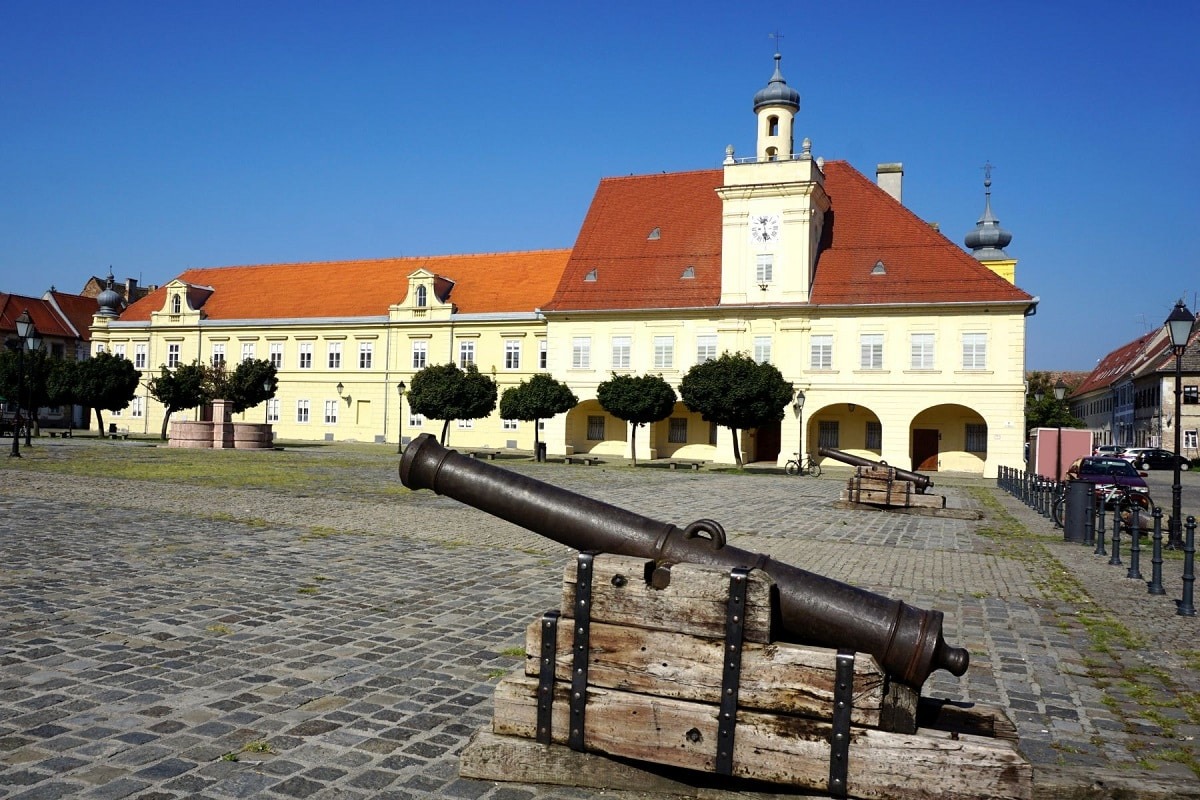
Eastern Croatia adds fertile plains, wine hills, Danube views and living traditions to the story of cultural Croatia.
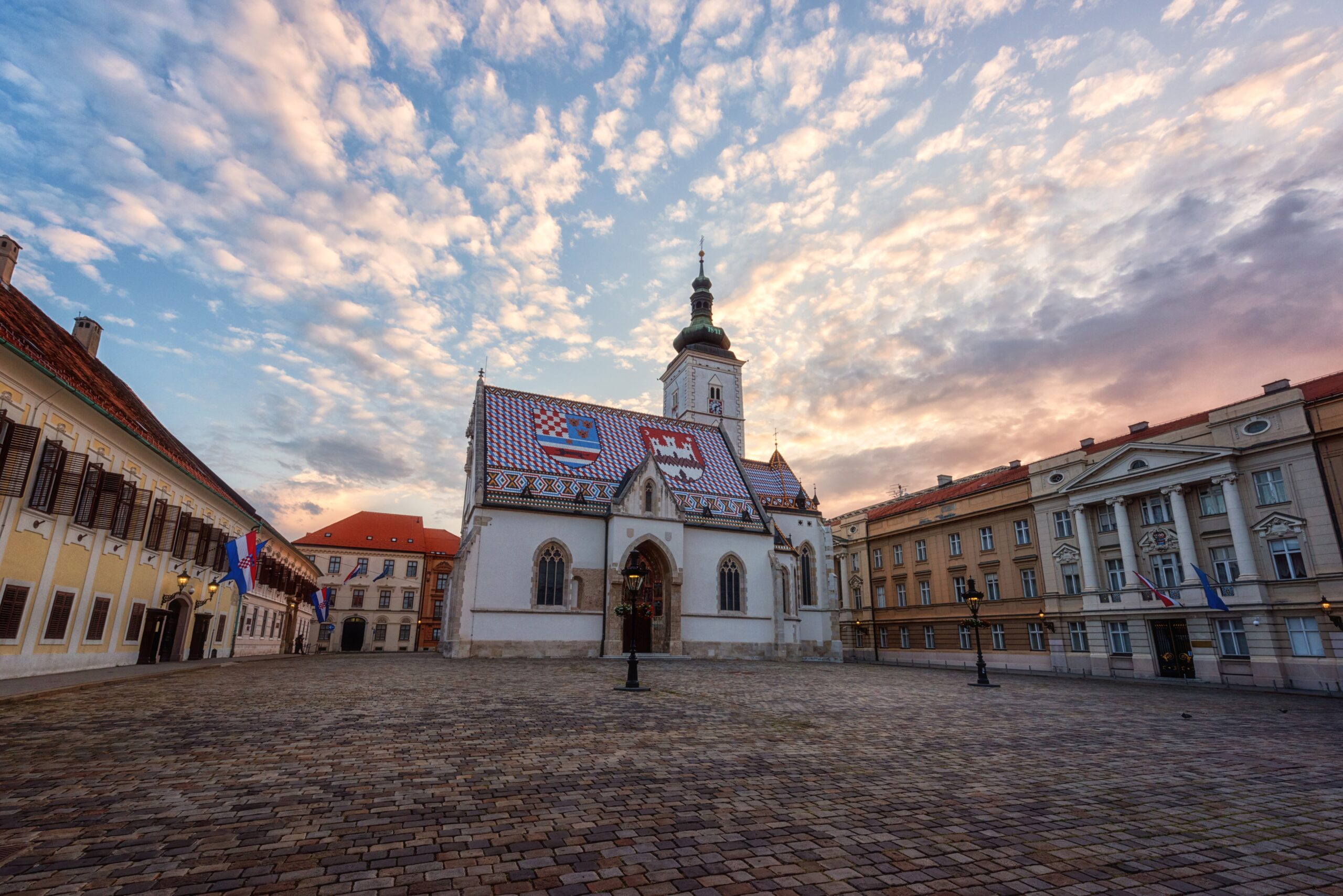
Zagreb and the northern hills bring together crafts, lace, folk songs, museums and elegant historic towns.
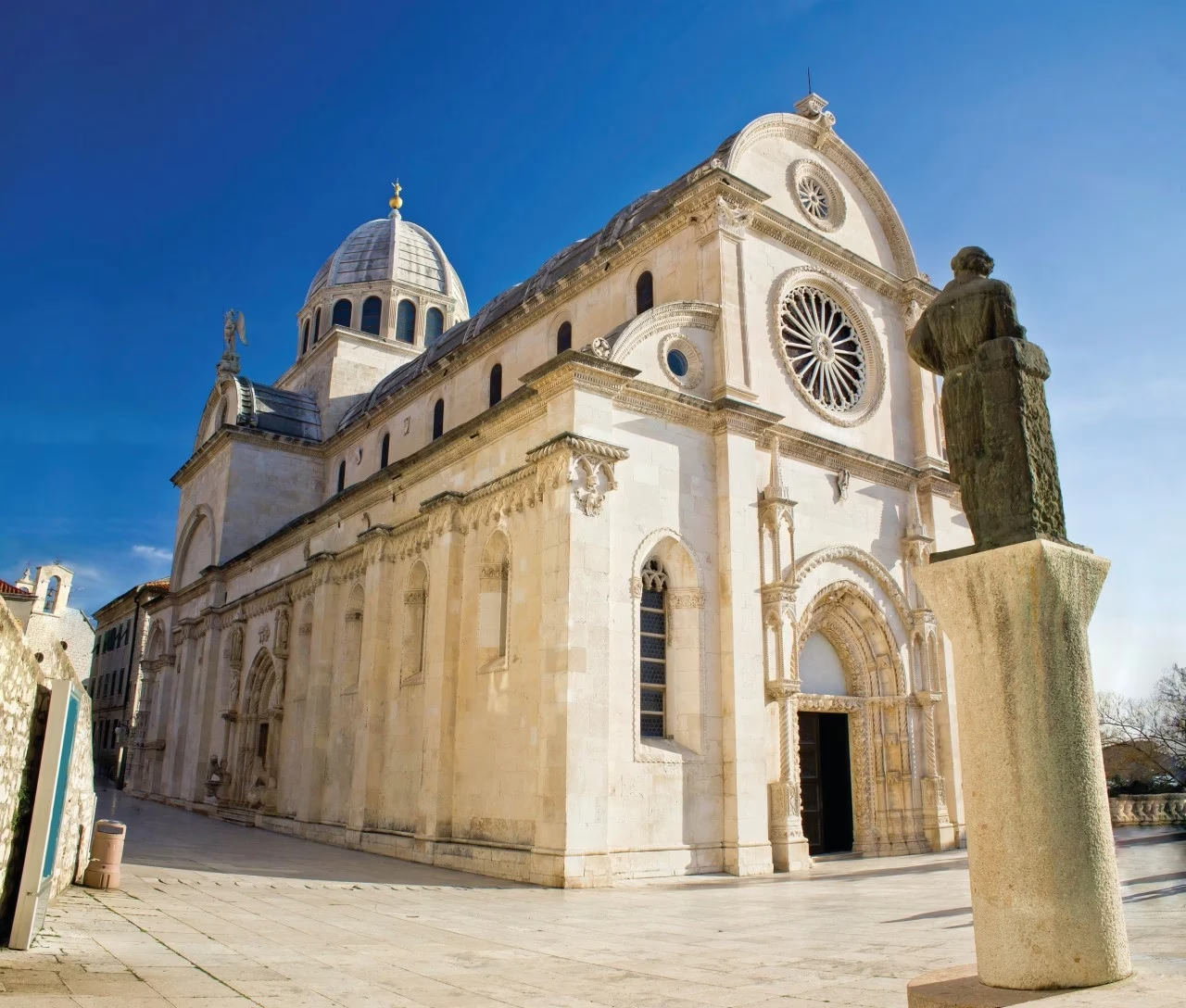
Šibenik-Knin combines landmark architecture, fortresses, sacred heritage, song, food and vineyard traditions.
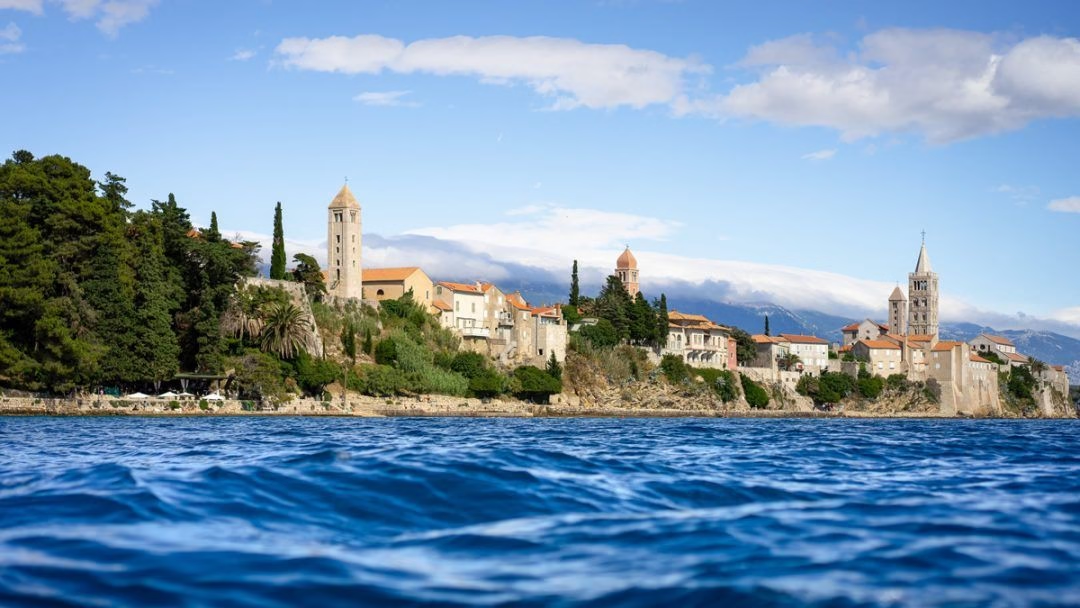
Kvarner pairs medieval towns and island museums with Glagolitic heritage and UNESCO-linked living traditions.
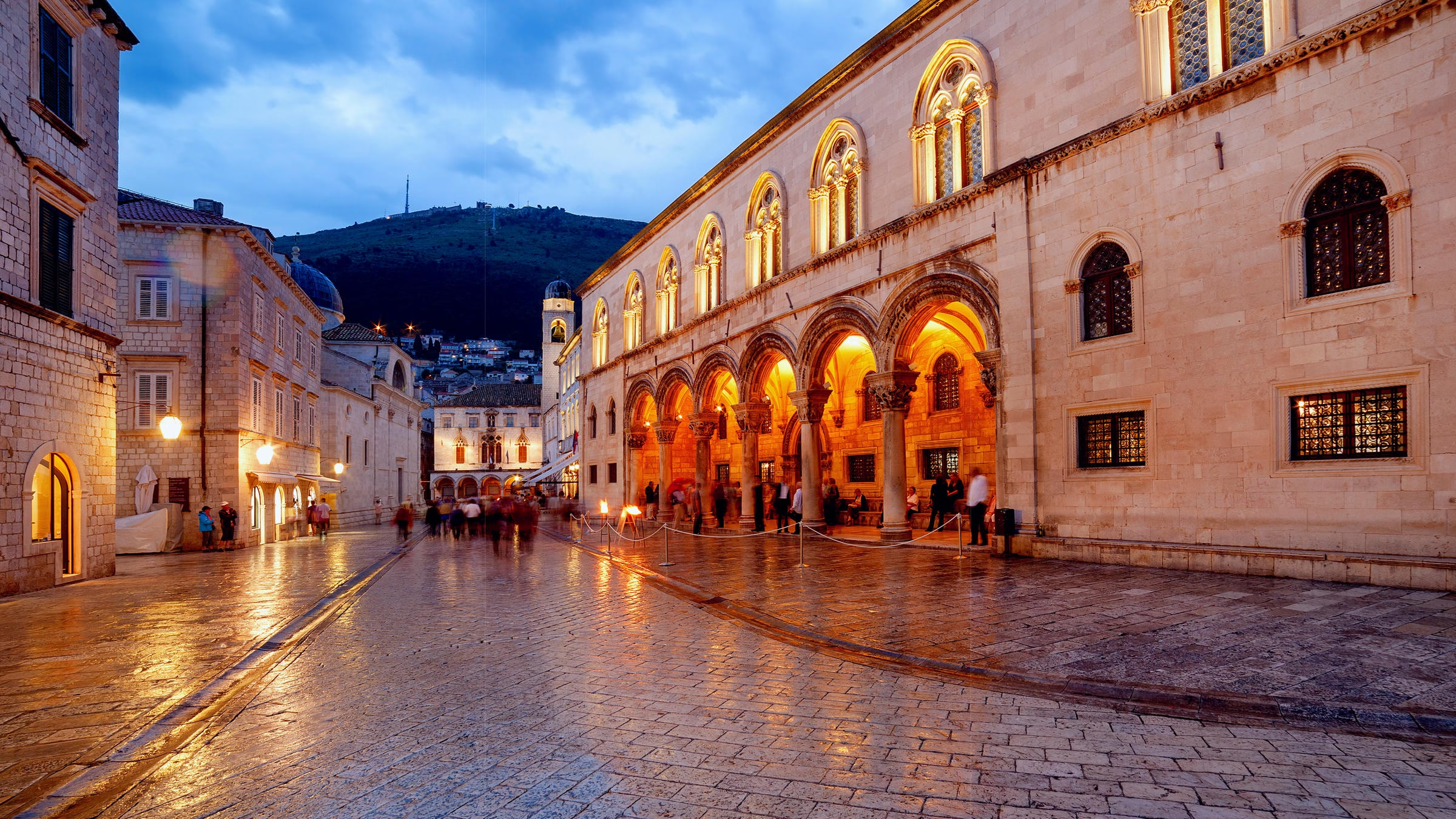
Look beyond Dubrovnik’s walls to Korčula, Ston, Cavtat, Konavle and the Neretva valley.
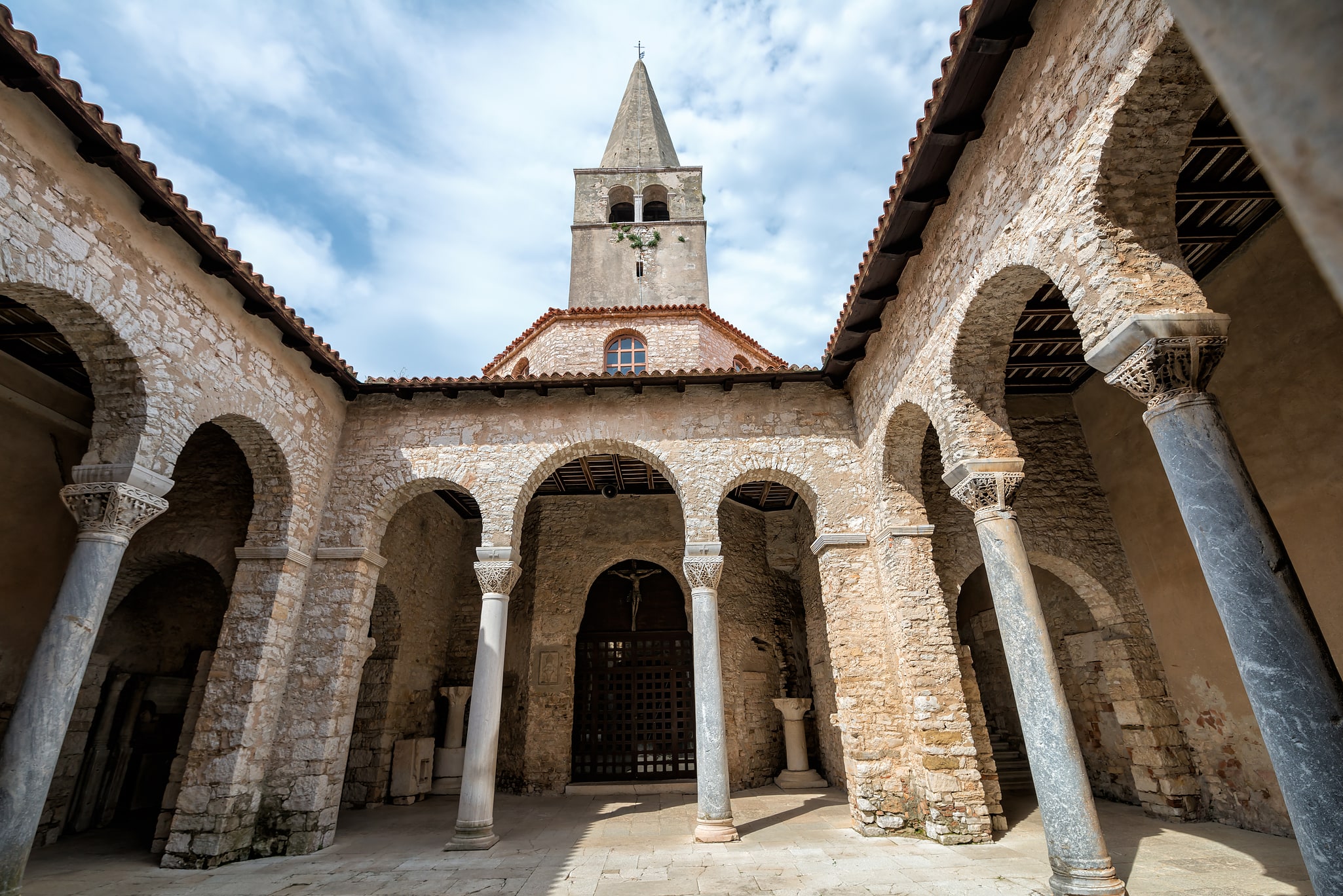
Istria makes it easy to combine Roman monuments, a UNESCO basilica, hill towns and village heritage.
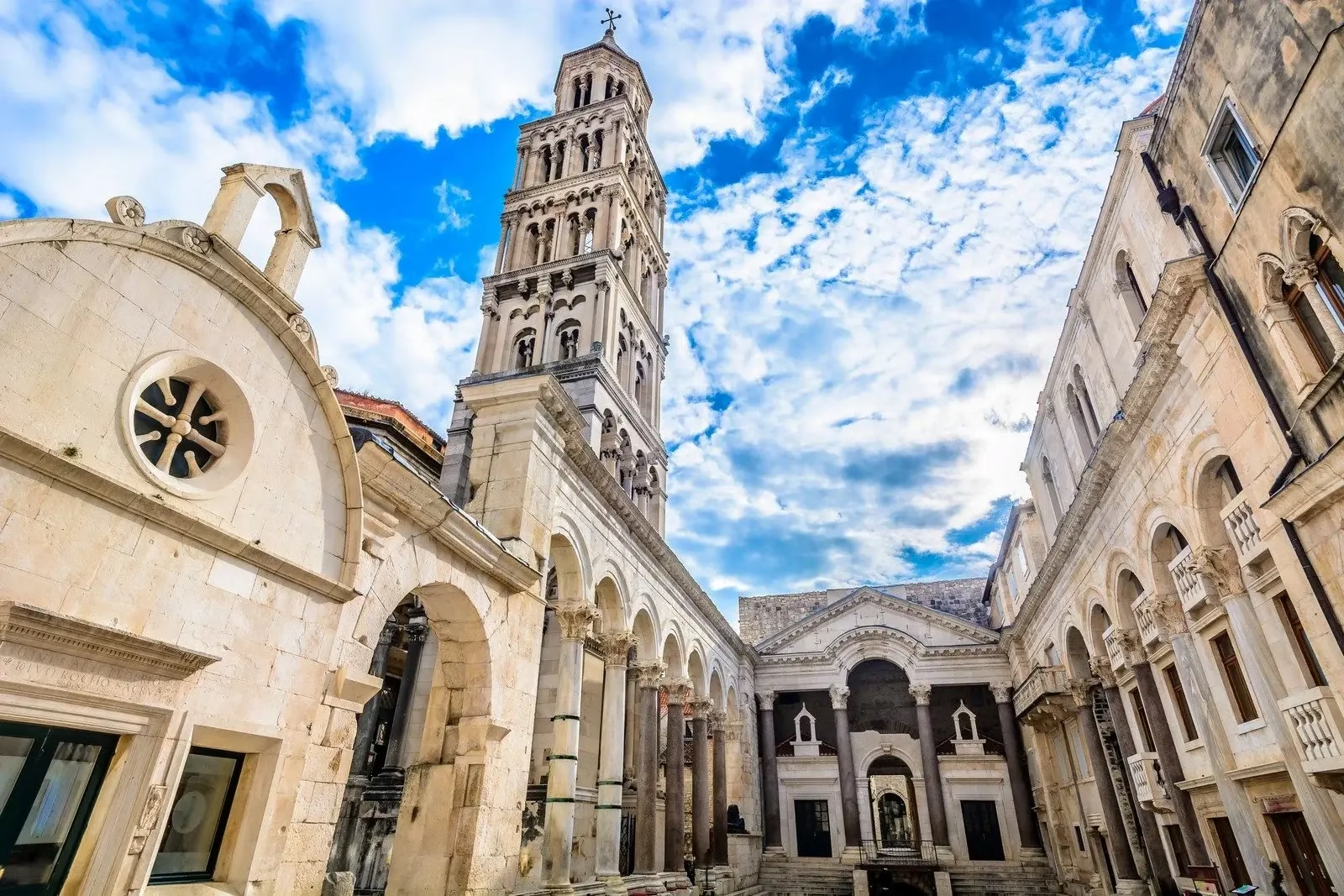
Split-Dalmatia moves from Roman and medieval townscapes to island landscapes and living traditions.
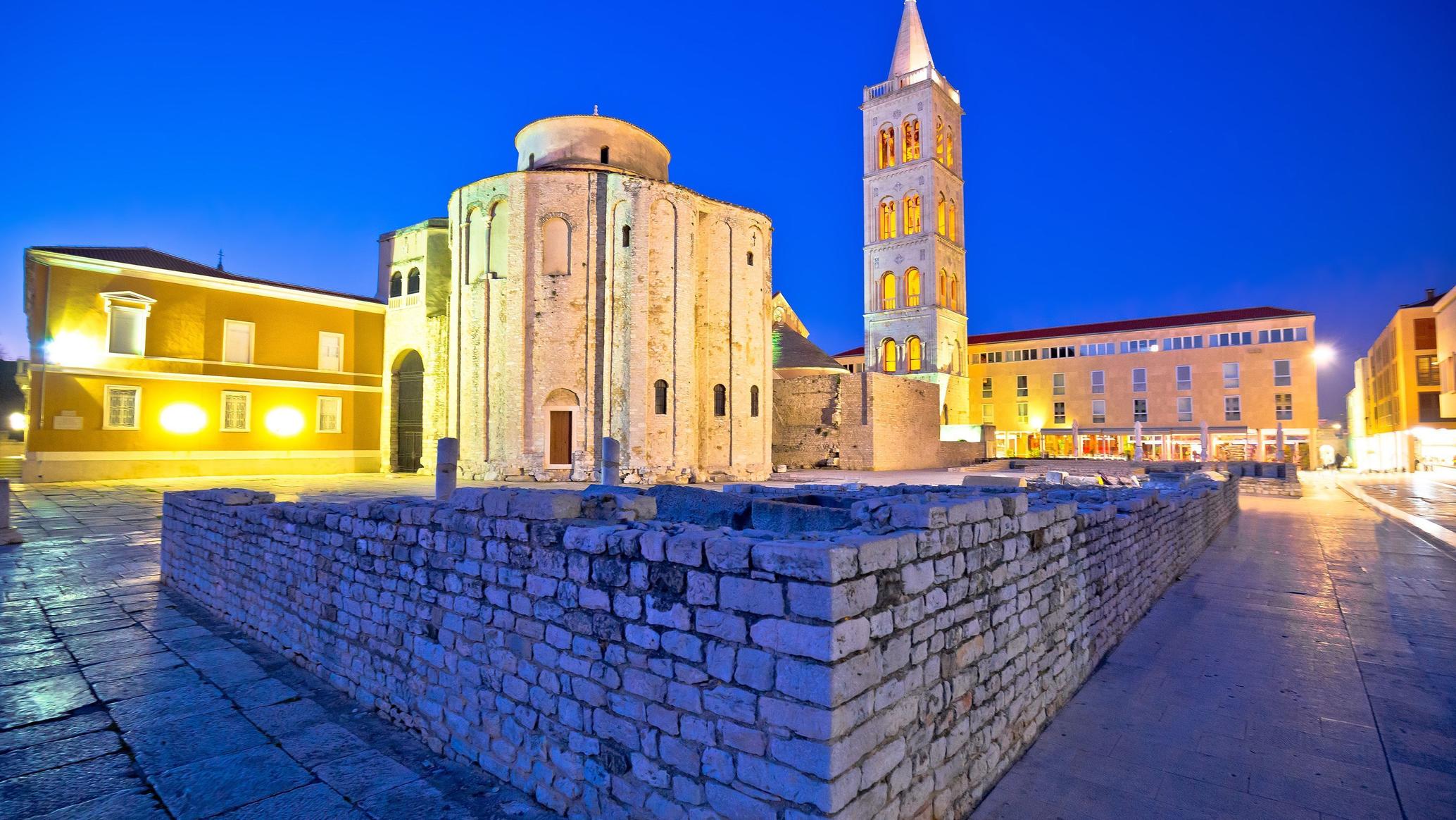
Zadar County links Venetian walls and Roman remains with island customs, lace, salt and mountain heritage.
UNESCO Sites and Living Traditions in Slavonia
When people think of cultural Croatia and UNESCO heritage, they often picture coastal cities like Dubrovnik or Split. But far from the Adriatic, in the eastern plains of Slavonia, a different side of Croatia’s cultural story waits to be discovered – one of fertile fields, wine hills, Danube river views and living traditions that have earned their place on UNESCO lists.
Explore Osijek and Tvrđa, Đakovo, Vinkovci, Vukovar, Ilok and Slavonski Brod. Music, folklore, festivals, wine roads and rural traditions give the region a cultural identity that feels very different from the coast.
Best bases: Osijek or Đakovo
Cultural highlights: Bećarac, the Ljelje procession, Lipizzan traditions, fortress towns and village festivals

UNESCO Traditions: Zagreb and the Northern Hills of Croatia
In Croatia, culture is not only stone lanes on the Adriatic coast. Around Zagreb, Hrvatsko Zagorje, Varaždin, Lepoglava and Međimurje, UNESCO-listed songs, crafts and lace tell a different story. Museums, red licitar hearts, wooden toys and folk songs turn Zagreb and the surrounding hills into a gentle cultural corridor.
Use Zagreb as a practical base, then add the castles and workshops of Hrvatsko Zagorje, the baroque streets of Varaždin, lace heritage in Lepoglava and the songs and vineyard landscapes of Međimurje.
Best base: Zagreb
Cultural highlights: Licitar hearts, wooden toys, Lepoglava lace, Varaždin and Međimurska popevka

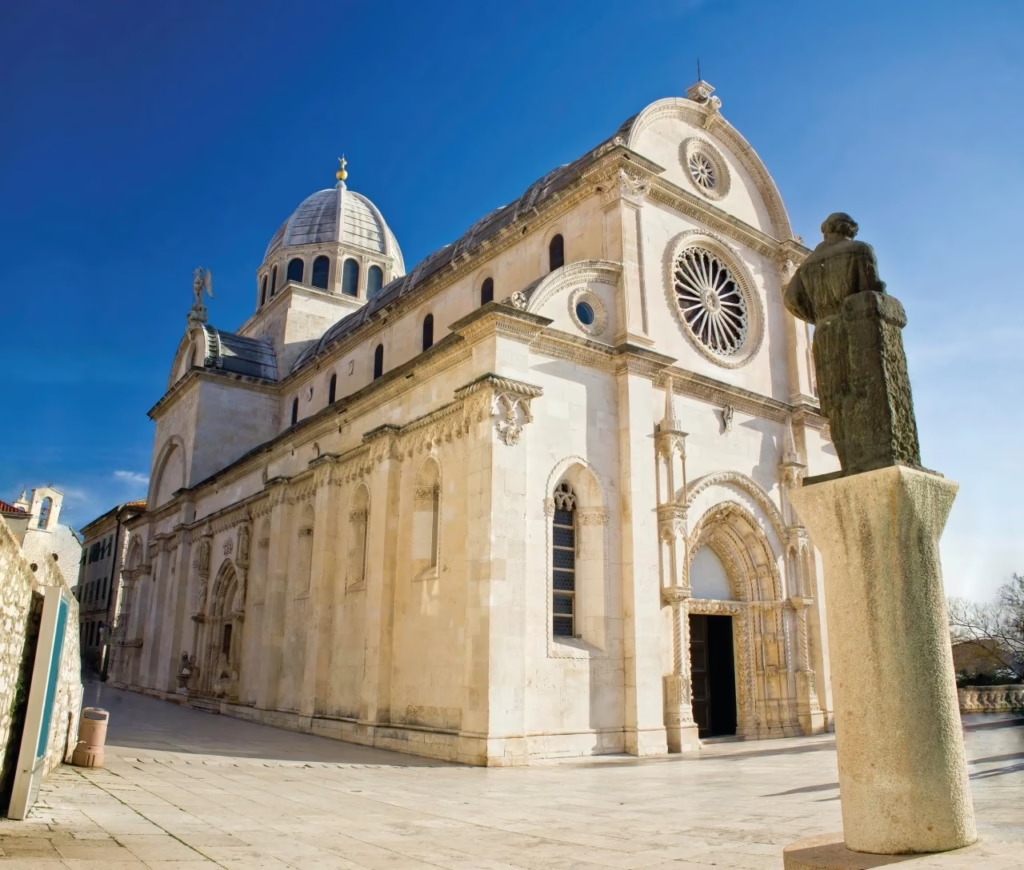
Šibenik-Knin County: UNESCO Sites & Local Traditions
Šibenik-Knin County is one of the best places in Croatia for a culture-led trip. This is not just a coast-and-beaches region. It is a county of stone cities, fortresses, monasteries, sacred art, old singing traditions, protected local food and vineyard landscapes shaped by generations of work.
The strongest reason to visit is the mix of major heritage and living tradition. Šibenik’s old town and fortress system connect naturally with the Krka area, Knin and the food and wine traditions around Drniš and Primošten.
Best bases: Šibenik or Skradin
Cultural highlights: Cathedral of St James, St Nicholas’ Fortress, klapa singing, monasteries and local food traditions
Kvarner Cultural Heritage: Old Towns and Traditions
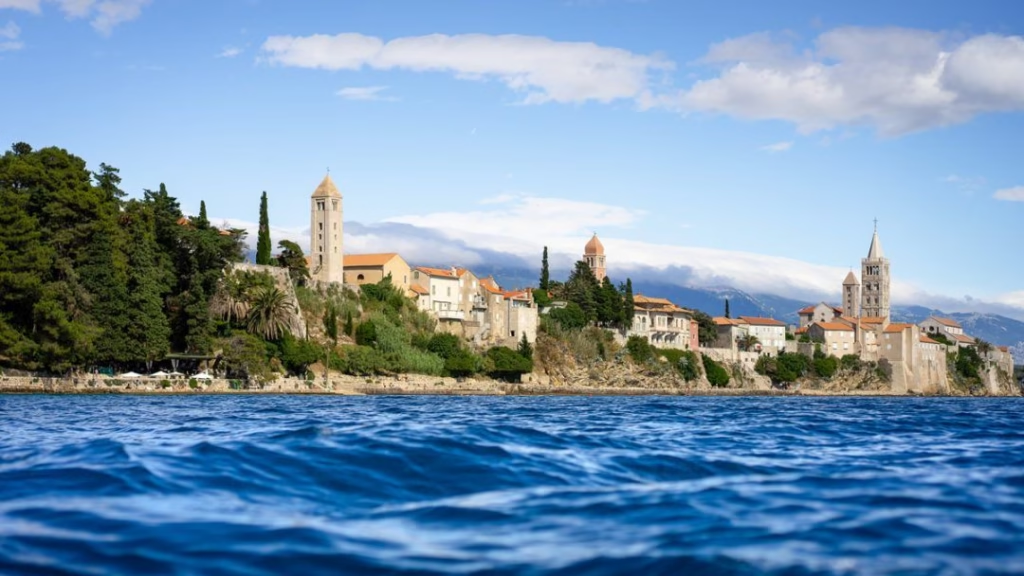
Kvarner is often sold as a beach region. That is only part of the story. This corner of Croatia also has strong cultural depth, with UNESCO-linked traditions, medieval old towns, Glagolitic heritage, hill villages, castles and island museums with real character.
For a culture-first trip, focus on Rijeka and Trsat, Kastav, Krk, Rab, Cres, Lošinj and the old settlements above the Opatija Riviera. These places work well for day trips, short breaks and slower island itineraries.
Best bases: Rijeka or Opatija
Cultural highlights: Trsat, Kastav bell ringers, Glagolitic heritage, Krk and Rab old towns and island museums
Dubrovnik-Neretva County UNESCO and Heritage Sites
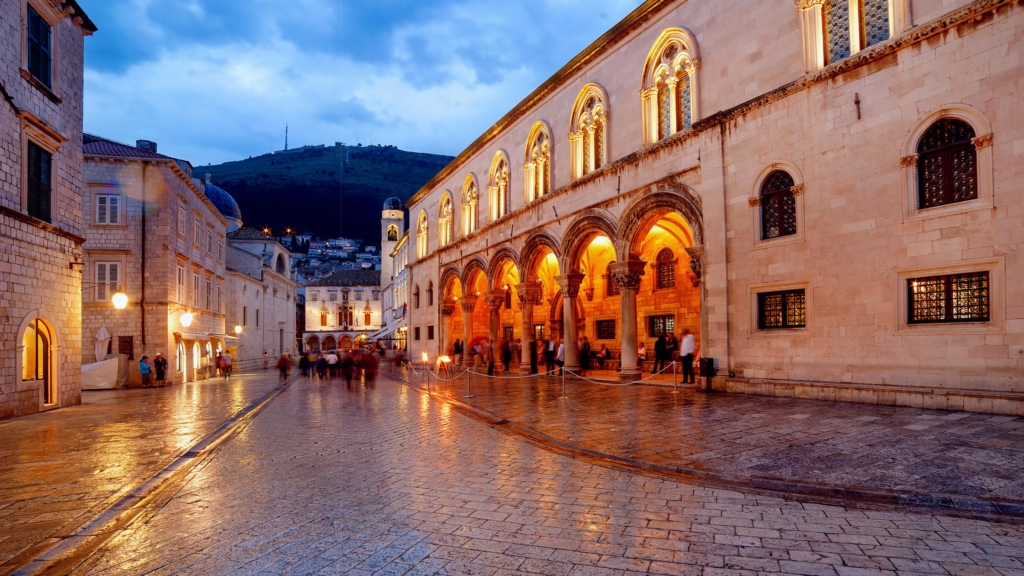
Dubrovnik-Neretva County is one of the best places in Croatia for a culture-led trip. Most visitors start with Dubrovnik, whose Old City is the county’s best-known UNESCO World Heritage site and the strongest reason to build a heritage itinerary here.
The county offers much more than one famous old town. Add Korčula for its compact medieval core, Ston for walls and salt heritage, Cavtat for a calmer historic base, and Konavle and the Neretva valley for living traditions.
Best bases: Dubrovnik, Cavtat or Korčula
Cultural highlights: Dubrovnik Old City, Saint Blaise traditions, Korčula, Ston and Konavle folklore
Best Istria Heritage Sites, UNESCO and Old Towns
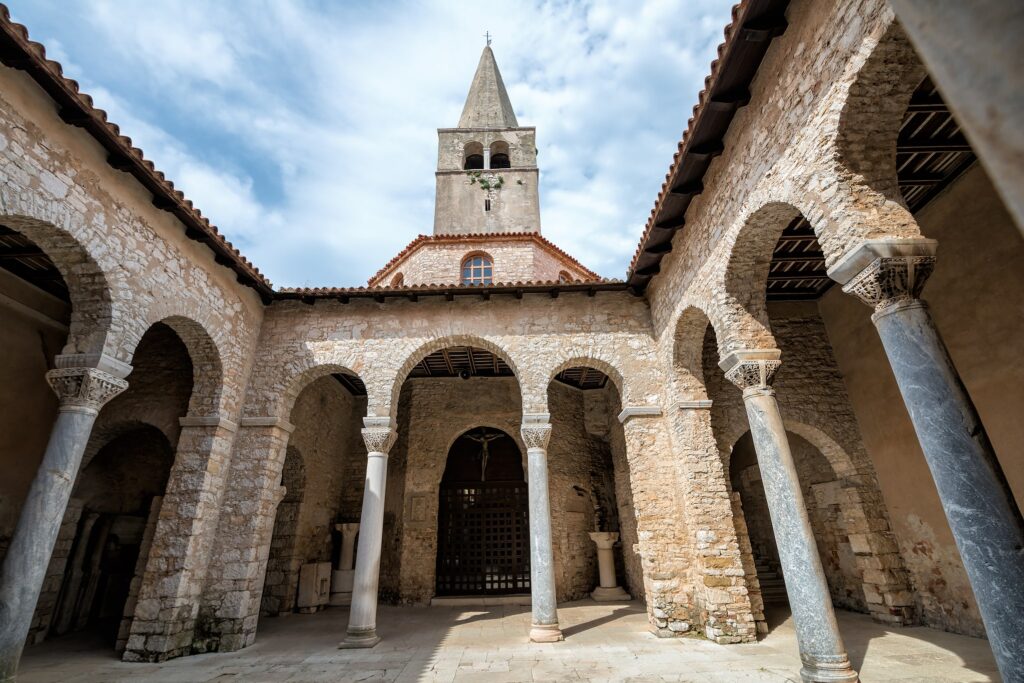
Istria is often known for beaches, summer towns and seafood by the sea. That image is true, but it is incomplete. In Croatian Istria, travellers can combine history, culture, old towns, Roman monuments and inland villages in one relatively compact trip.
Visit the UNESCO-listed basilica in Poreč, walk through Roman Pula, climb into hilltop towns such as Motovun and Hum, and look for frescoes and Glagolitic heritage in the inland villages.
Best bases: Poreč, Rovinj or Pula
Cultural highlights: Euphrasian Basilica, Pula Arena, Motovun, Hum and inland frescoes
Split-Dalmatia County UNESCO Sites and Traditions
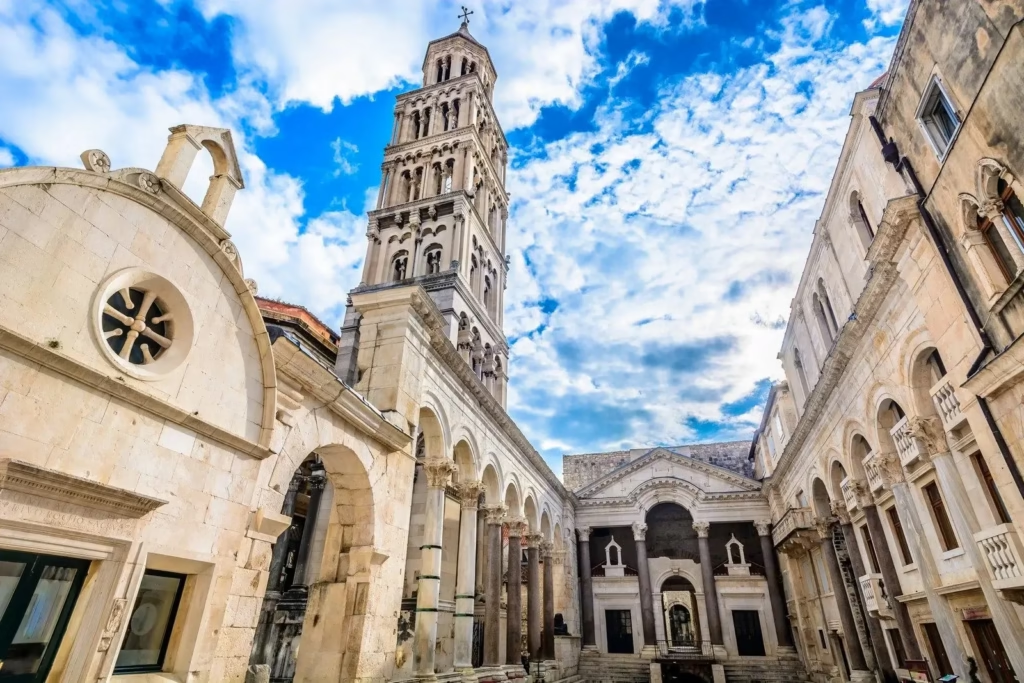
Most heritage trips in Croatia focus on one old town, one cathedral or one famous waterfront. Split-Dalmatia County is more interesting because the story keeps changing as you move through it, from living Roman streets in Split to Trogir and the historic landscapes of Hvar.
Diocletian’s Palace, Trogir and Stari Grad Plain form the main UNESCO route. Salona, Klis and Sinj add archaeology, fortresses and inland traditions, while klapa singing and island crafts keep the heritage connected to everyday life.
Best bases: Split, Trogir or Hvar
Cultural highlights: Diocletian’s Palace, Trogir, Stari Grad Plain, Salona, Klis and Sinjska Alka
Zadar County UNESCO Sites, History and Traditions
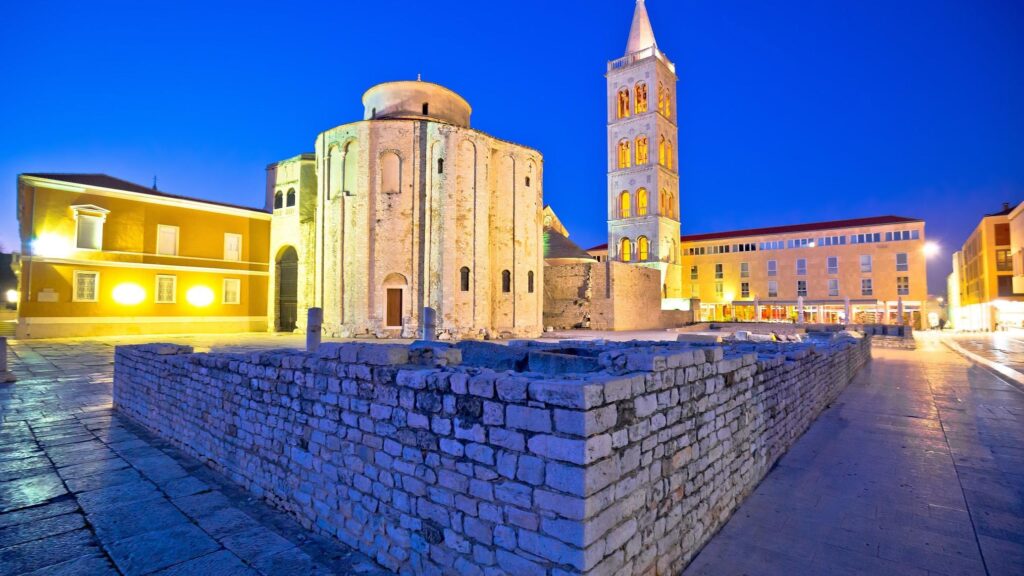
A heritage trip through Zadar County is not only about Zadar Old Town. This part of northern Dalmatia brings together Venetian walls, Roman ruins, mountain forests, island traditions, salt pans, lacemaking, dry-stone landscapes and small historic towns.
The main UNESCO connections are Zadar’s city walls and the beech forest areas of Paklenica National Park. Pag and Nin add lace, salt and distinctive cultural landscapes, while Ugljan and Pašman suit quieter heritage day trips.
Best bases: Zadar or Nin
Cultural highlights: City walls, Roman Forum, St Donatus, Paklenica, Pag lace and Nin salt heritage
FAQ: Cultural travel in Croatia
What is cultural Croatia best known for?
Croatia is best known for a mix of UNESCO heritage, Roman and Venetian old towns, historic cathedrals, fortresses, museums, island customs, folk traditions, lace, music and regional festivals. Cultural travel in Croatia is not limited to Dubrovnik and Split, since inland and northern regions also have strong living traditions.
Does Croatia have both UNESCO sites and UNESCO traditions?
Yes. Croatia has UNESCO-listed places as well as UNESCO-recognized intangible heritage, including traditions linked to music, crafts, processions and local customs. That is why some regions are best for historic towns, while others stand out for living heritage.
Which part of Croatia is best for historic towns and UNESCO landmarks?
Dalmatia and Istria are often the strongest choices for travellers focused on historic town centres, Roman heritage, cathedrals and major landmark sites. These regions combine cultural stops with coastal scenery and island trips.
Which part of Croatia is best for local traditions and folklore?
Northern and inland Croatia are especially interesting for travellers who want to explore crafts, lace, folk customs, religious traditions, regional food culture and heritage that still feels closely tied to everyday life.
Can you build a Croatia trip around culture and heritage?
Yes. A Croatia trip can easily be planned around cultural travel, with a mix of old towns, museums, UNESCO sites, festivals, religious heritage and traditional villages. This hub helps you choose the regions and counties that best fit that style of trip.
Is cultural travel in Croatia only about the coast?
No. The coast has many of Croatia’s best-known heritage sites, but inland and northern Croatia add a different side of the country through folklore, crafts, music, processions and regional traditions.