
Things to Do in Croatia
Explore Croatia’s beaches, culture, outdoor adventures and family experiences. Choose your holiday style, then use our guides to find the places and activities that suit your trip.
QUICK PLANNING ANSWER
For a first trip to Croatia, allow 7–10 days and combine one main travel style with one secondary interest. A shorter 3–4 day visit works better from one base, while a longer trip can include two regions or a mainland stay followed by an island.
- Best for: couples, families, independent travellers, road-trippers, beach lovers, cultural travellers and outdoor enthusiasts
- Best trip length: 7–10 days for one region and nearby day trips
- Day trip or overnight stay: historic towns and national parks often work as day trips, while islands, wellness breaks and slower coastal stays are better with at least two nights
- Good first-time bases: Split or Zadar for islands and activities, Istria for culture and road trips, Kvarner for beaches and wellness, Dubrovnik for heritage and southern Dalmatia, and Zagreb with Zagorje for inland culture and thermal spas
Explore This Guide
The six guides below cover Croatia’s main holiday styles. Choose the one that best matches the main purpose of your trip, or combine two compatible themes within the same region.
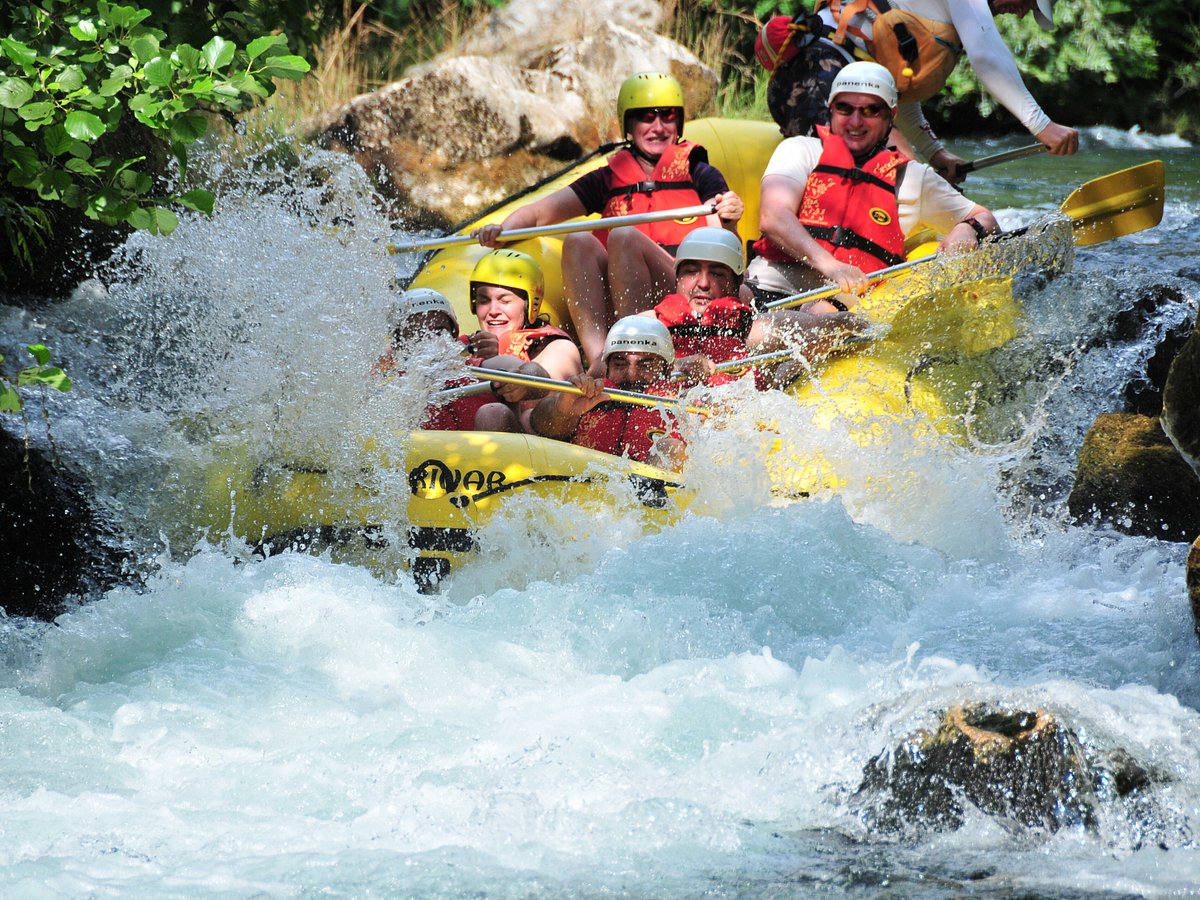
Croatia’s landscape makes it possible to combine sea, rivers, mountains and islands within a relatively compact trip.
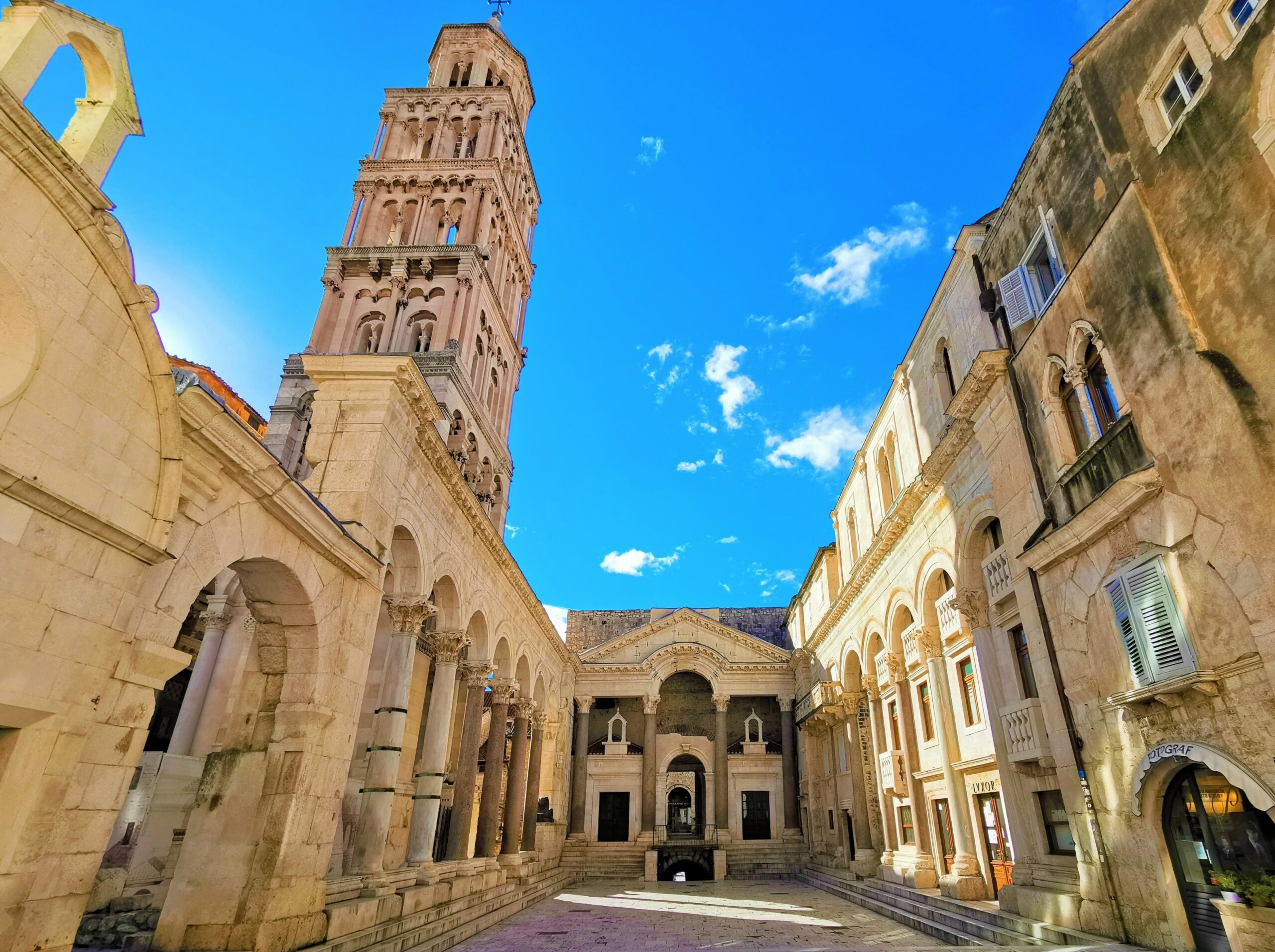
Croatia’s cultural attractions range from Roman ruins and medieval walls to Venetian architecture, historic ports, museums, religious heritage and living traditions.
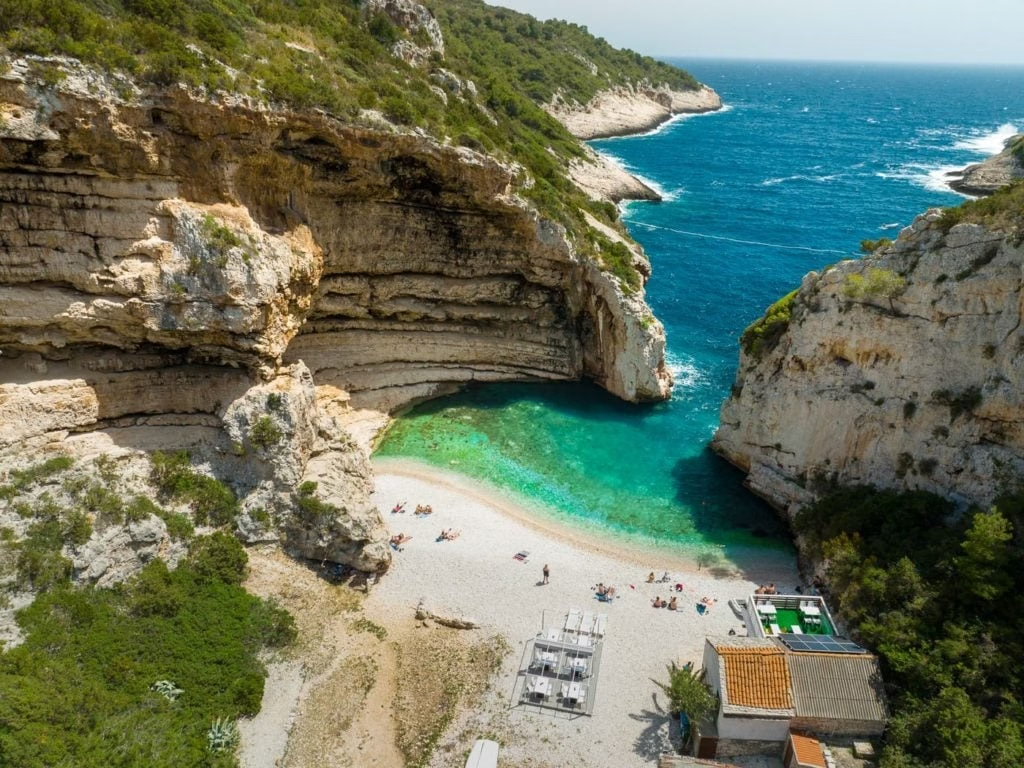
Most Croatian beaches are pebble, rock or stone rather than sand, but this often contributes to the clear appearance of the water.
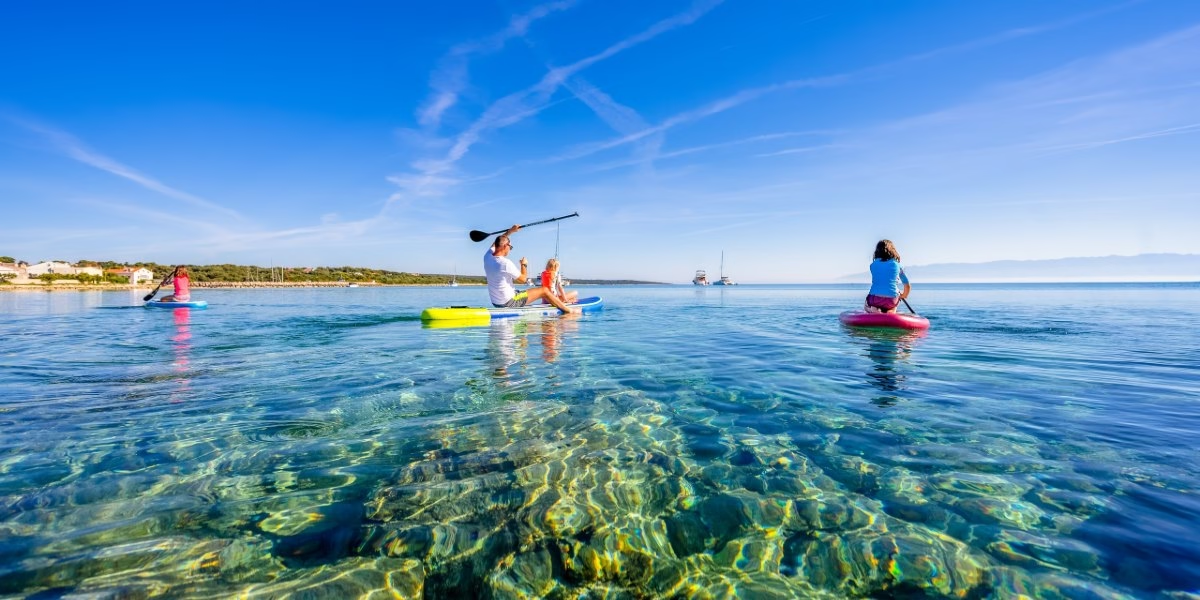
A successful family holiday in Croatia usually depends more on the right base than on the number of attractions.
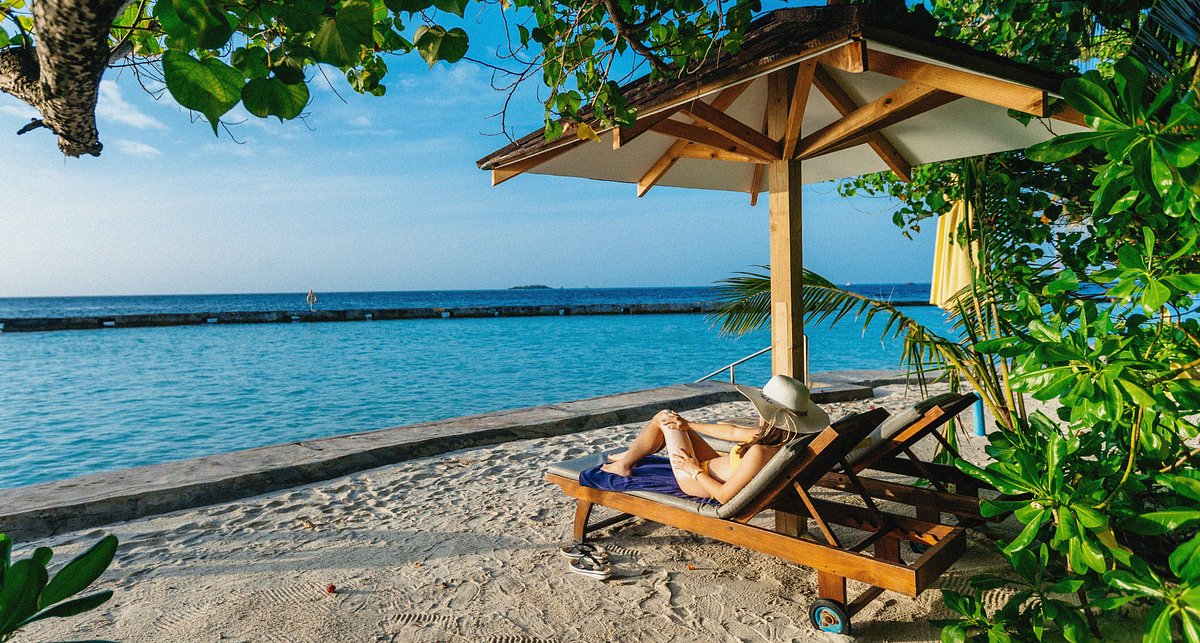
A slower Croatian holiday is built around fewer transfers, smaller coastal bases and enough time to enjoy beaches, walking routes, food and island scenery without planning a major excursion every day.
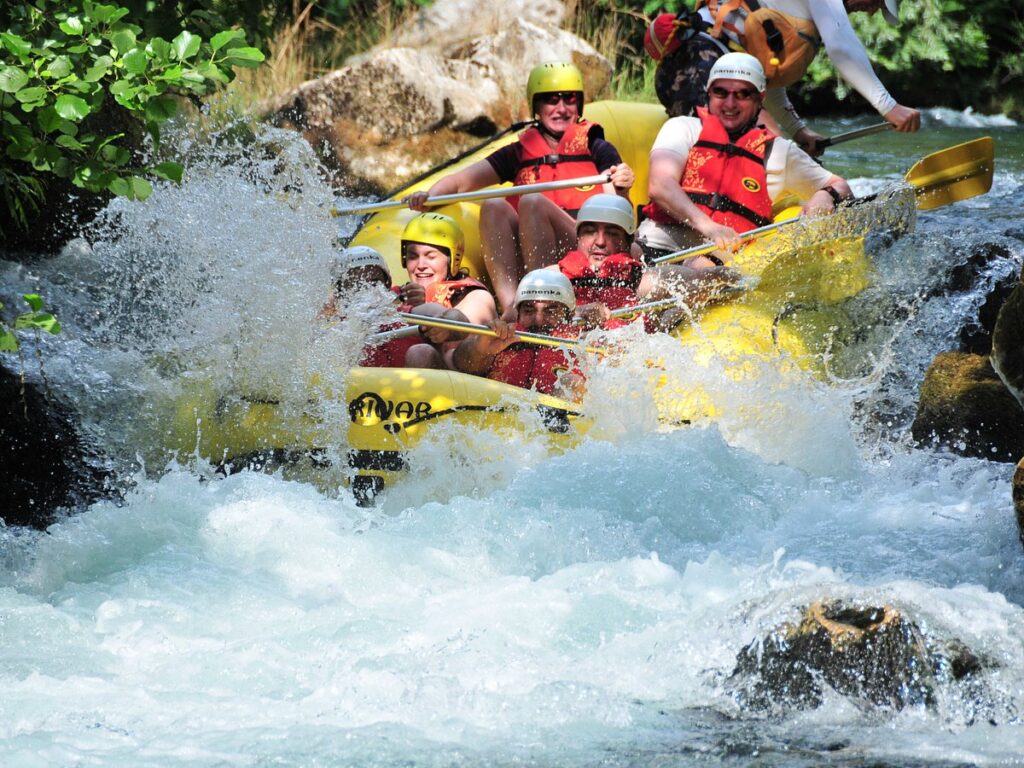
Croatia Adventure Holidays
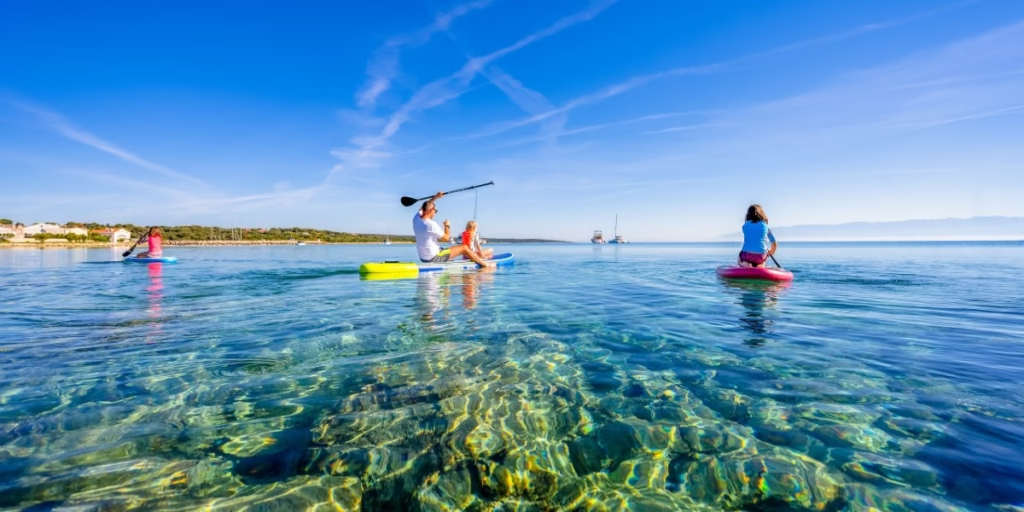
Croatia’s landscape makes it possible to combine sea, rivers, mountains and islands within a relatively compact trip. Paklenica and Velebit are strong choices for hiking and climbing, while the Cetina and Zrmanja rivers offer rafting and kayaking. Istria works well for cycling, and the Dalmatian coast adds sea kayaking, sailing and island hiking.
Active travellers should consider Split, Omiš, Zadar, Starigrad Paklenica or Šibenik as practical bases. Spring and early autumn are generally more comfortable for longer hikes and cycling, while summer is better suited to water-based activities planned for the morning.
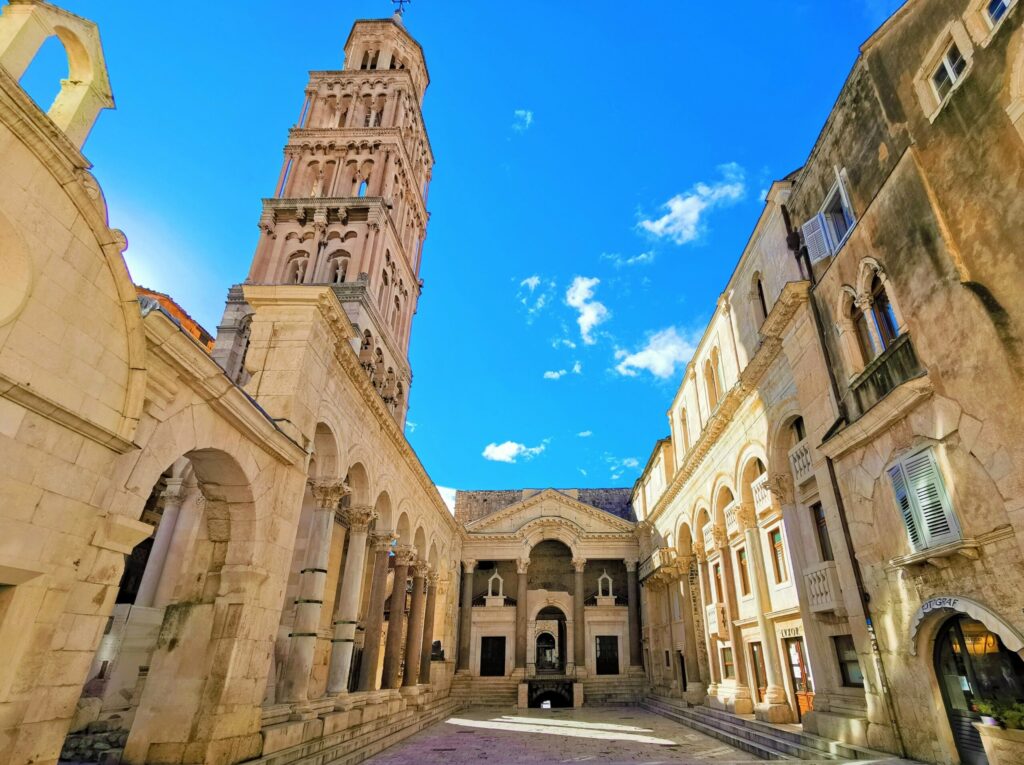
Cultural Croatia
Croatia’s cultural attractions range from Roman ruins and medieval walls to Venetian architecture, historic ports, museums, religious heritage and living traditions. Pula is known for its Roman amphitheatre, Split grew around Diocletian’s Palace, and Dubrovnik, Trogir and Šibenik offer distinctive historic centres.
Culture-focused trips do not need to remain on the coast. Zagreb, Hrvatsko Zagorje and Slavonia add castles, museums, traditional crafts, regional food and a different view of Croatian history. The dedicated cultural hub helps travellers compare regions rather than simply collecting famous landmarks.
Best Beaches in Croatia
Most Croatian beaches are pebble, rock or stone rather than sand, but this often contributes to the clear appearance of the water. Beach conditions vary considerably between exposed island shores, sheltered bays, resort beaches and shallow family-friendly coves.
Rab and parts of Nin are useful for travellers looking for sandy or shallower water. The Makarska Riviera is known for mountain-backed pebble beaches, while Brač, Dugi Otok, Korčula and the islands around Zadar and Šibenik offer a wider choice of bays and boat-accessible swimming stops.
The beach hub helps you compare beaches by region, access, surface, facilities and suitability for families.
Family Guide to Croatia
A successful family holiday in Croatia usually depends more on the right base than on the number of attractions. Families often benefit from staying close to a usable beach, choosing accommodation with parking or easy public transport, and avoiding frequent changes of accommodation.
Istria is practical for short road trips and organised resorts. Rab and Nin offer some of Croatia’s easiest beach conditions for younger children, while Zadar and Šibenik provide a useful combination of beaches, historic centres, boat trips and national parks.
The family hub compares regions, budget-friendly bases, beaches and activities for children of different ages.
Serene Croatian Getaways
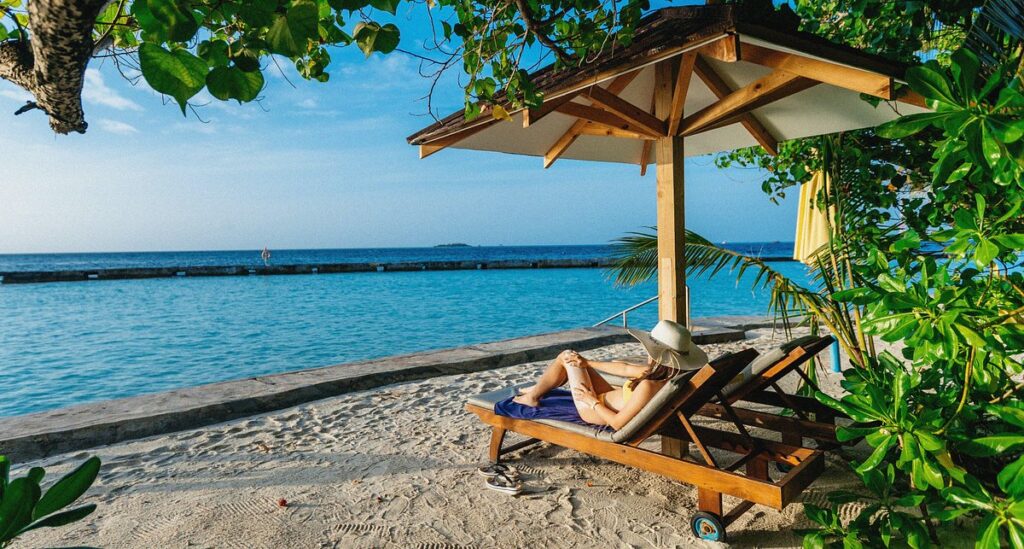
A slower Croatian holiday is built around fewer transfers, smaller coastal bases and enough time to enjoy beaches, walking routes, food and island scenery without planning a major excursion every day.
Cres, Lošinj, Šolta, Vis, Mljet and parts of Korčula are strong choices for travellers who prefer nature, small harbours and relaxed island stays. On the mainland, Opatija, Cavtat and quieter towns along the Istrian and Dalmatian coasts can provide comfort without requiring complete isolation.
This hub is best for couples, slow travellers and anyone choosing atmosphere and location over a long activity list.
Spa and Wellness in Croatia
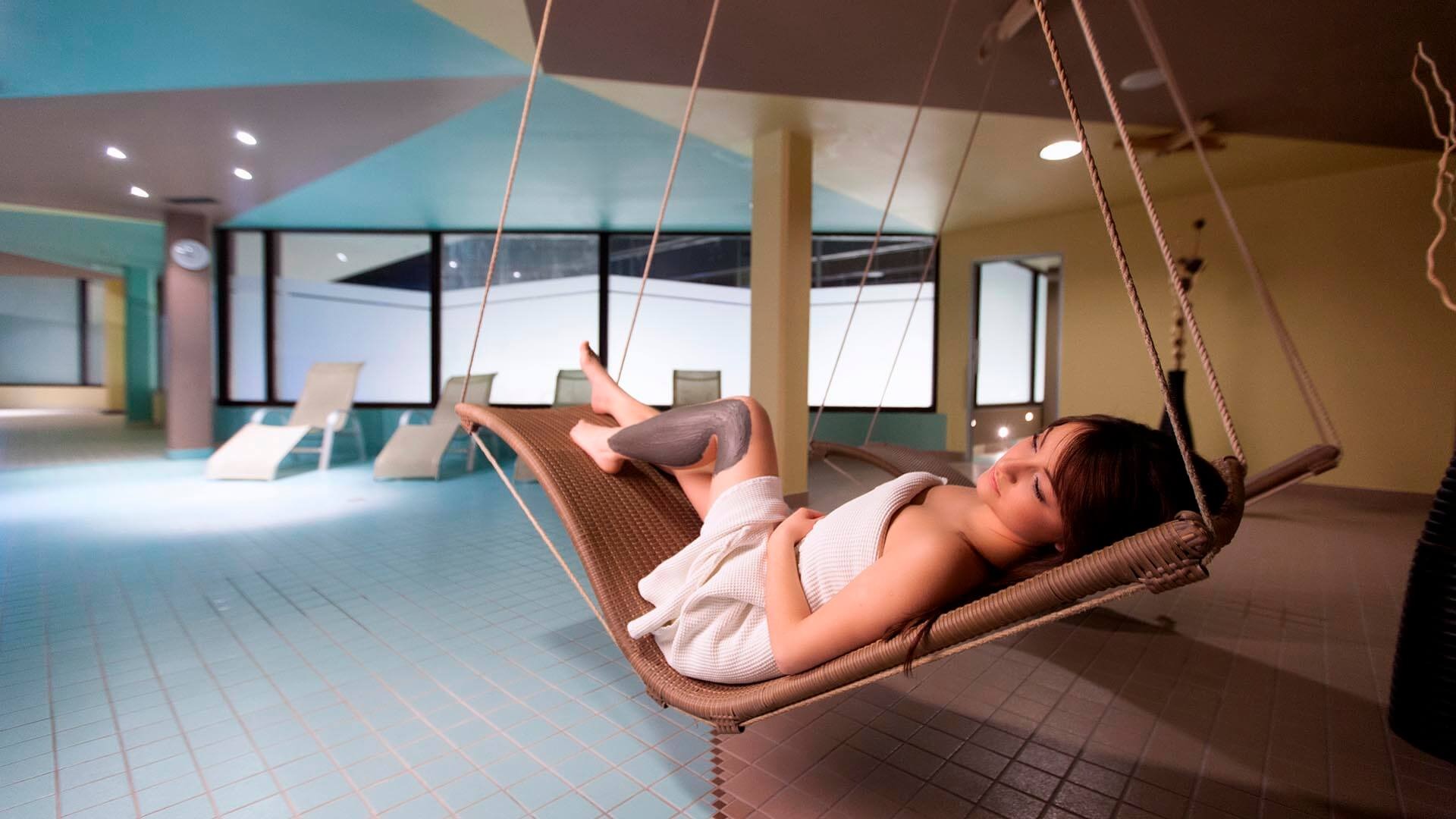
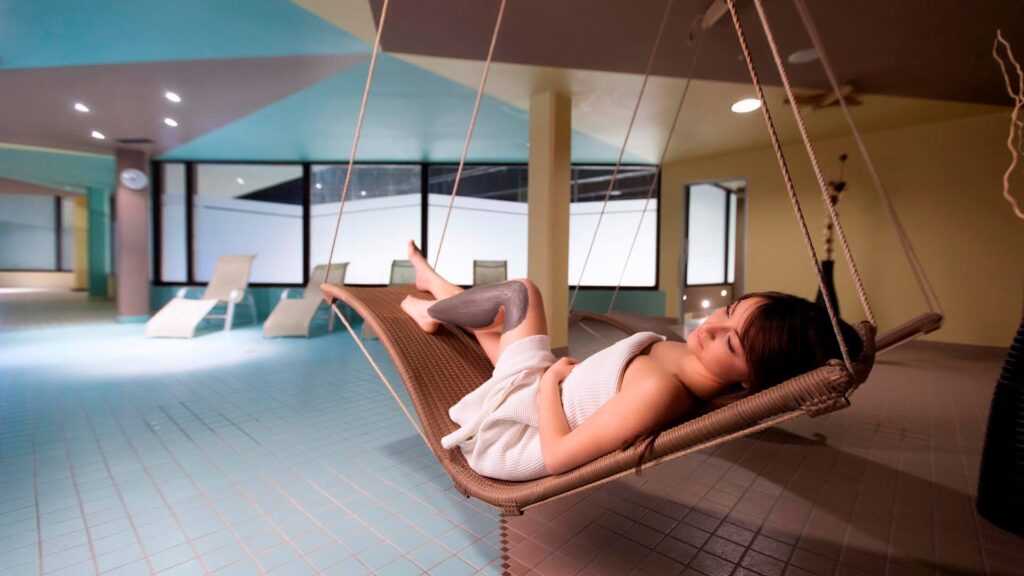
Croatia offers two noticeably different wellness experiences. Coastal wellness hotels combine pools, treatments and sea views, while inland spa towns focus more strongly on thermal water, pool complexes and short restorative stays.
Opatija, Kvarner, Istria, Zadar and the Dubrovnik area offer seaside wellness hotels that can be combined with beaches and sightseeing. Hrvatsko Zagorje and Međimurje are better for thermal spa breaks, particularly outside the main summer season.
Choose this hub when spa facilities are an important part of the accommodation decision rather than an occasional addition to a beach holiday.
Best Holiday Styles by Region
Each Croatian region supports a different combination of activities. Choosing the region first can reduce unnecessary driving and make the trip easier to organise.
Istria
Istria is a strong all-round choice for families, couples, food lovers and road-trippers. Roman Pula, coastal Rovinj and Poreč, inland hill towns, cycling routes and organised beaches can all be combined without changing accommodation frequently.
Best combination: culture, family beaches, cycling, food and wellness.
Kvarner
Zadar County
Zadar County works well for travellers who want variety. Zadar, Nin, Pag, Dugi Otok, Paklenica National Park and the Zrmanja River support beach, family and active trips from several practical bases.
Best combination: beaches, families, national parks and adventure.
Šibenik-Knin County
Šibenik combines a historic centre with access to Krka National Park, Murter, Primošten and boat trips towards the Kornati archipelago. It is particularly useful for travellers who want cultural and natural attractions within short driving distances.
Best combination: culture, beaches, families, islands and nature.
Split-Dalmatia County
Split is one of Croatia’s most flexible bases because it combines a major historic city with ferries, nearby beaches and access to Omiš, Trogir, Brač, Hvar and the Makarska Riviera.
Best combination: culture, islands, beaches and outdoor activities.
Dubrovnik-Neretva County
This southern region is suited to travellers interested in historic towns, island scenery, wine areas and slower coastal stays. Dubrovnik can be combined with Cavtat, Pelješac, Korčula or Mljet, but longer transfers make careful planning important.
Best combination: culture, couples’ trips, islands and serene coastal stays.
Zagreb and Northern Croatia
Zagreb and the surrounding inland regions offer museums, markets, historic towns, castles, wine hills and thermal spa resorts. They are especially useful for city breaks and trips outside the main beach season.
Best combination: culture, food, thermal spas and short breaks.
Combine Experiences Without Overplanning
The strongest Croatia itineraries usually combine compatible experiences in the same region rather than trying to cover the entire country.
- Istria: Roman and Venetian heritage, family beaches, cycling and coastal wellness
- Zadar and Šibenik: beaches, national parks, family attractions and boat trips
- Split and Omiš: historic Split, Cetina River activities and a short island stay
- Dubrovnik, Korčula and Mljet: cultural landmarks followed by a slower island escape
- Zagreb and Hrvatsko Zagorje: city culture, castles and an inland thermal spa break
For a 7-day holiday, one main base and one shorter second stay are usually enough. With 10–14 days, two regions can work well if the route follows the coast or connects Zagreb with one Adriatic region.
Best Time for Different Croatia Experiences
Spring is well suited to historic towns, national parks, hiking and cycling. Temperatures are generally more comfortable for active days, although sea-based services may be more limited than in summer.
Summer offers the widest choice of beach activities, boat trips and island connections. Popular old towns and exposed hiking routes are more comfortable early in the morning or later in the day.
Early autumn can combine warm coastal conditions with easier sightseeing and outdoor activities. It is a particularly flexible period for couples, road trips and trips mixing beaches with culture.
Winter is better suited to Zagreb, inland culture, thermal spas and selected coastal wellness hotels. Many island and seasonal beach services operate on a reduced schedule.
Choosing the Right Base
Travellers without a car should prioritise bases with useful ferry, bus or organised excursion connections. Split, Zadar and Dubrovnik make it easier to combine a city stay with day trips, while smaller bays and inland villages usually require more planning.
A car is particularly useful in Istria, on larger islands and for trips that combine beaches with hill towns, national parks or inland spa resorts. Historic centres are often pedestrianised, so accommodation with parking outside the old town may be more convenient than staying directly beside the main sights.
For island stays, allow at least two or three nights when possible. A single day trip provides a quick introduction, but it rarely offers the slower atmosphere that makes Croatian islands different from mainland coastal cities.
Families should avoid changing accommodation every one or two nights. One beach-friendly base with several manageable day trips is usually more practical.
Continue Planning Your Croatia Trip
Once you have chosen your holiday style, use the Croatia travel destinations hub to compare regions, cities, islands and national parks.
For accommodation, transport, ferries, flights and other practical arrangements, continue to Plan Your Trip.
FAQs About Things to Do in Croatia
What are the best things to do in Croatia?
The most popular experiences include exploring historic towns, swimming from Adriatic beaches, visiting national parks, taking island boat trips, hiking, kayaking and enjoying regional food. The best choice depends on whether beaches, culture, family activities, outdoor adventure or relaxation is the main purpose of the trip.
Which part of Croatia offers the widest choice of activities?
Split-Dalmatia, Zadar County, Šibenik-Knin County, Istria and Kvarner offer particularly varied trips. Each combines coastal destinations with cultural attractions, beaches and accessible day trips, but the best region depends on your transport and preferred pace.
How many days are needed for Croatia?
Seven to ten days is enough for one region, several day trips and possibly a short island stay. Three or four days is better spent around one base, while 10–14 days allows two regions without making the itinerary unnecessarily rushed.
Is Croatia suitable for travellers without a car?
Yes, especially when staying in Split, Zadar, Dubrovnik, Zagreb or another well-connected city. Ferries, buses and organised excursions can cover many popular destinations, although remote beaches, inland villages and some nature areas are easier to reach by car.
Can beaches, culture and outdoor activities be combined in one trip?
Yes. Zadar, Šibenik, Split, Dubrovnik, Pula and several Croatian islands allow travellers to combine historic centres, beaches and nature-based activities. Choosing one region with several nearby experiences is more practical than travelling long distances between unrelated destinations.