Kvarner is often sold as a beach region. That is only part of the story.
This corner of Croatia also has strong cultural depth. You will find UNESCO-linked traditions, medieval old towns, Glagolitic heritage, hill villages, castles, and island museums with real character.
The key to planning well is knowing what Kvarner offers. Its UNESCO links are strongest in living traditions, not in a long list of famous stone monuments. That makes the region even more interesting for travelers who want local atmosphere, not just photo stops.
For a culture-first trip, focus on Rijeka and Trsat, Kastav, Krk, Rab, Cres, Lošinj, and the old settlements above the Opatija Riviera. These places work well for day trips, short breaks, and slow island itineraries.
Explore This Guide
ToggleWhy Kvarner cultural heritage is worth the trip
Kvarner works especially well for travelers who want more than beaches.
Here, culture is spread across towns, islands, and traditions. You do not visit one single “main site” and leave. Instead, you move between medieval lanes, fortress viewpoints, old churches, local music, handwritten heritage, and food traditions that still feel alive.
This makes Kvarner a good fit for several travel styles:
couples who want old-town evenings and scenic stays
curious travelers who enjoy museums and local history
island hoppers who want more than beach stops
families looking for short walks and varied day trips
road trippers who want practical stops with atmosphere
Another advantage is variety. You can pair cultural stops with sea views, coastal walks, swimming, wine tasting, and relaxed dinners in a konoba.
Kvarner’s UNESCO side: traditions you can actually feel
The bell ringers from the Kastav area
The most direct UNESCO connection in Kvarner is the annual carnival bell ringers’ tradition from the Kastav area.
These groups are known for heavy bells, animal-skin details, masks, and loud processions through villages. For tourists, this is one of the most memorable cultural experiences in the region because it is not locked inside a museum. It is living heritage with sound, movement, and community energy.
The best base for this theme is the Rijeka and Kastav area. If your trip falls in carnival season, this is one of the strongest cultural hooks in Kvarner.
Two-part singing and playing in the Istrian scale
Another UNESCO-listed tradition relevant to the wider northern Adriatic is two-part singing and playing in the Istrian scale.
UNESCO places this tradition on the Istrian peninsula in western Croatia, while Croatian tourism sources also connect it with the Croatian coast and Kvarner. It is best understood as a wider regional tradition that also helps explain Kvarner’s musical identity.
This matters because Kvarner heritage is not only visual. It is also something you hear in festivals, folklore, and traditional performance.
What this means for your trip
If you search for Kvarner UNESCO sites, you may expect a classic monument list. That is not the best way to understand the region.
In Kvarner, the strongest UNESCO angle is intangible heritage. After that, the region opens into old towns, literacy heritage, castles, and island museums that make the cultural side of the trip feel fuller.
Best historic places to visit in Kvarner
This is the heart of the trip. To make planning easier, it helps to think of Kvarner in three parts: the mainland around Rijeka and Opatija, the heritage-rich islands of Krk and Rab, and the quieter historic stops on Cres and Lošinj.
Mainland Kvarner: Rijeka, Trsat, Kastav, and hill towns
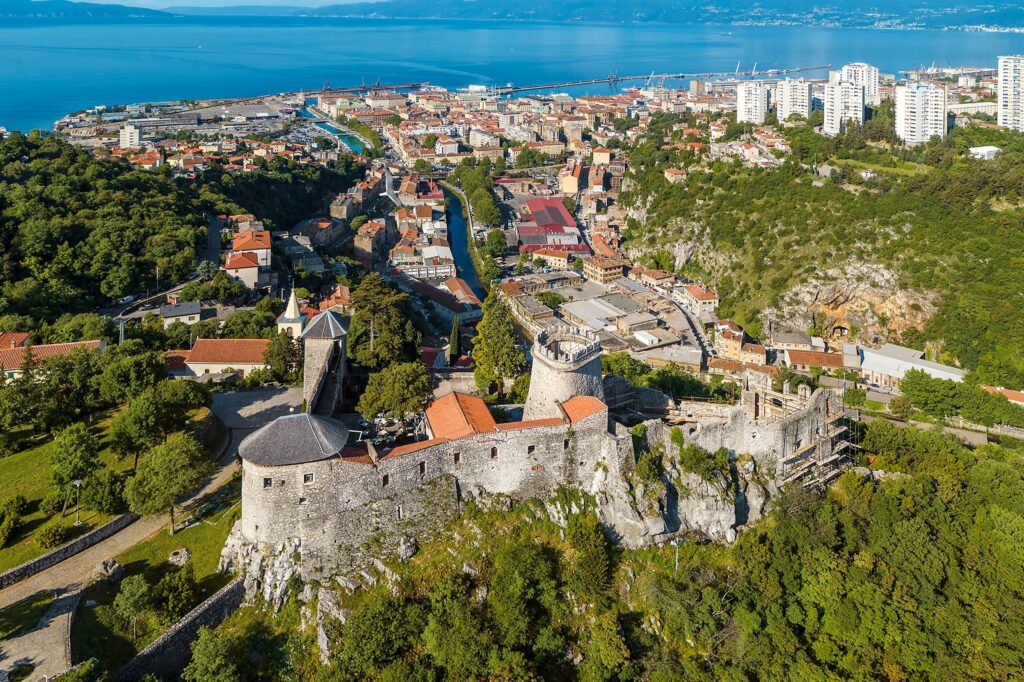
Trsat Castle and Rijeka
Trsat is one of the easiest heritage stops in Kvarner.
Above Rijeka, Trsat Castle gives you wide views over the city and bay. It is also one of the oldest fortifications on the Croatian coast, which gives the visit more weight than a simple viewpoint stop. You can combine the castle with the sanctuary area, then continue down into Rijeka’s old center.
Rijeka itself adds another layer. Walk the Korzo, look at the City Tower area, and use the city as a practical transport base. It is not the prettiest old town in Croatia, but it is one of the best bases for a culture-focused Kvarner trip.
Kastav
Kastav is one of the best small heritage towns near Rijeka.
It has stone lanes, old gates, a compact historic core, and a strong local identity. It feels quieter than Rijeka and more intimate than larger coastal towns. This is a very good stop for travelers who want culture without a long detour.
Kastav also gives the UNESCO bell-ringer story a real geographic center. That makes it more than a scenic hill town.
Mošćenice, Brseč, and Veprinac
If you stay around Opatija or Lovran, do not ignore the old settlements above the coast.
Mošćenice, Brseč, and Veprinac are smaller than Rab or Krk towns, but they are very rewarding. They offer hilltop views, stone lanes, churches, gates, and local character.
These villages are good for short cultural detours. They also photograph beautifully, especially in softer light. For many visitors, this is the side of Kvarner that feels most authentic.
Novi Vinodolski and Vinodol heritage
Novi Vinodolski is often approached as a seaside base, but it also opens the door to the Vinodol heritage story.
The Vinodol Law Codex is one of the region’s key historical references. It adds another layer to Kvarner’s story and shows that the region’s heritage goes beyond its islands and seaside towns.
Krk and Rab: literacy heritage and strong old-town atmosphere
Baška and Jurandvor
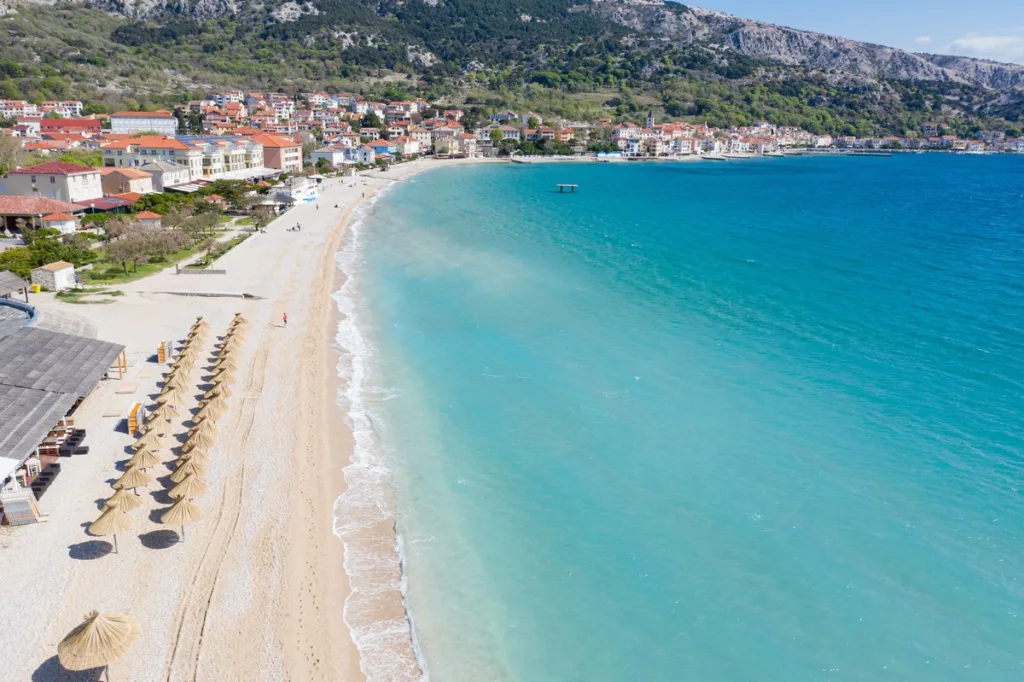
Baška is famous for its beach, but culture travelers should not stop at the seafront.
Nearby Jurandvor is central to the story of the Baška Tablet, one of the best-known early Croatian Glagolitic monuments. The original is kept in Zagreb, while a replica is displayed at St. Lucy’s in Jurandvor, where the tablet was found.
This stop is easy to combine with a walk, lunch, and sea views, so it is one of the best culture-and-coast pairings on Krk.
Vrbnik
Vrbnik is one of the most atmospheric old towns in Kvarner.
It sits high above the sea on Krk Island and is known for narrow streets, stone houses, and strong Glagolitic heritage. It is also linked to the local wine story, especially žlahtina.
This is a smart stop for readers who want a scenic town that feels historic without needing a large museum plan. Vrbnik is ideal for a slower afternoon with views, a small church visit, and a relaxed dinner.
Rab Old Town
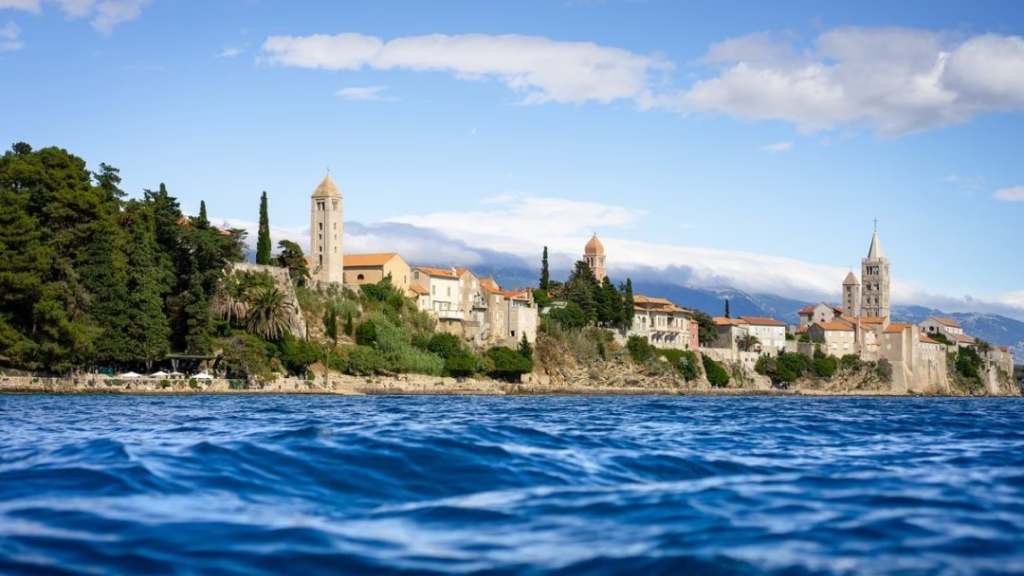
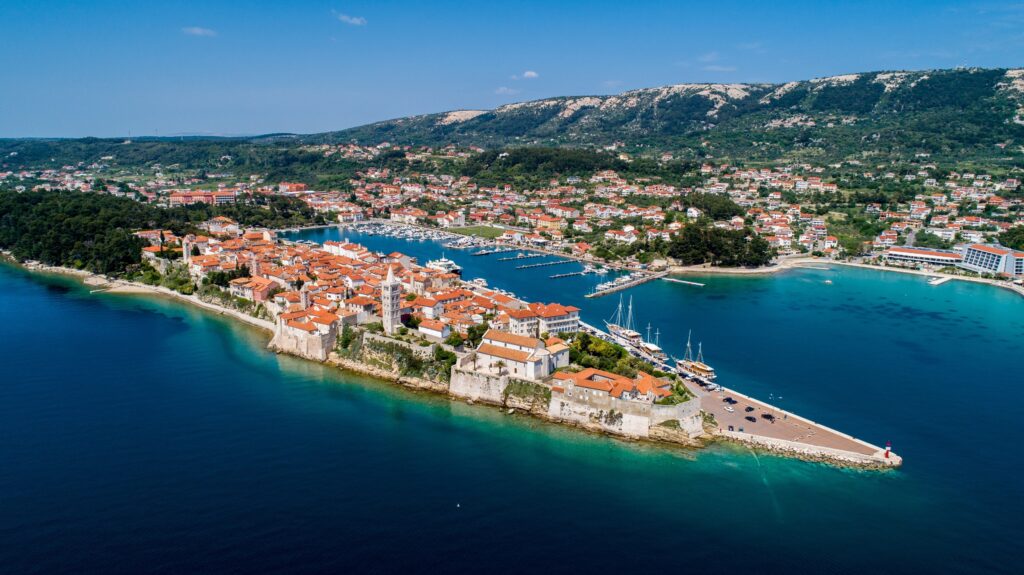
Rab Old Town is one of the strongest heritage places in the whole region.
Its skyline of four bell towers is instantly recognizable. The old center is compact, walkable, and rich in atmosphere. You get stone streets, historic facades, church towers, small squares, and that rare feeling of a town still shaped by its past.
Rab is especially good for travelers who want a base with evening charm. It works for couples, slow travelers, and anyone who likes staying inside or near a historic center.
In summer, Rab’s heritage story becomes even stronger through medieval-style events and old-town atmosphere after sunset.
Cres and Lošinj: quieter heritage stops with depth
Cres Town and Valun
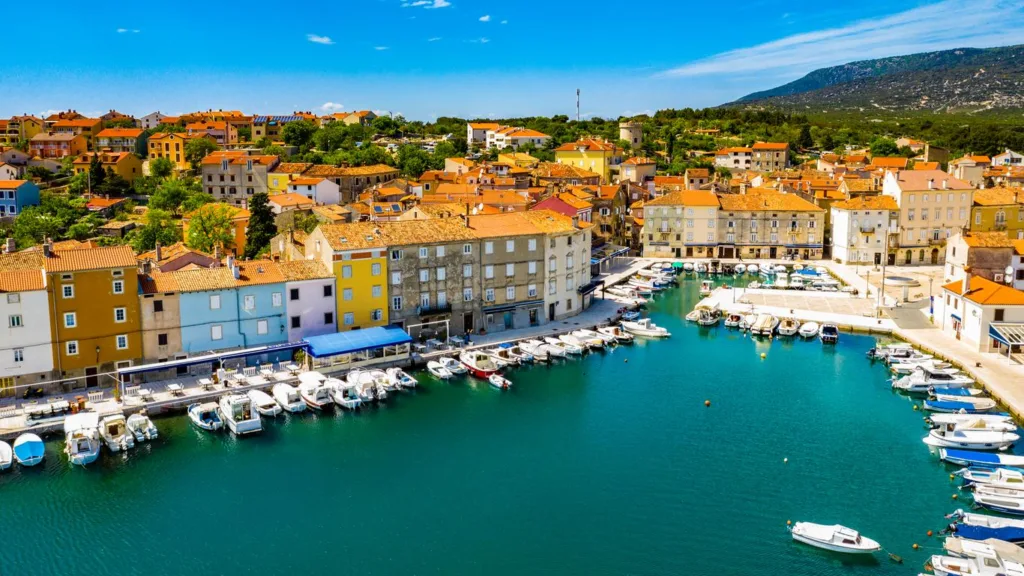
Cres Town has a quieter cultural feel than Rab, but it rewards slow travel.
The old center has Venetian touches, stone alleys, and a less polished rhythm that many travelers enjoy. Nearby Valun adds another literacy layer through the Valun Tablet, an 11th-century bilingual stone inscription tied to local church heritage.
This pairing is good for readers who want a heritage day that feels gentle and uncrowded.
Osor and Mali Lošinj
Osor is one of the most distinctive small heritage places in Kvarner.
It sits where Cres and Lošinj meet and feels like an open-air history stop. You find old walls, fragments from earlier periods, calm streets, and a strong sense of the past. The archaeological collection adds substance for readers who want more than a quick photo walk.
Then there is Mali Lošinj, which gives the itinerary a museum highlight. The Museum of Apoxyomenos is one of the most unusual cultural stops in the region. It is dedicated to the ancient bronze statue of Apoxyomenos found in the sea near Lošinj, so the visit feels focused, modern, and memorable.
Together, Osor and Mali Lošinj create one of the best heritage day trips in Kvarner.
A simple Kvarner cultural heritage itinerary
One day from Rijeka or Opatija
A good short route is:
Trsat Castle
Rijeka old center
Kastav
Mošćenice or Veprinac
This works best for travelers without much island time.
Two to three days on Krk and Rab
A strong island-focused plan is:
Krk Town or Vrbnik
Baška and Jurandvor
Rab Old Town
local dinner with island specialties
This mix gives you literacy heritage, old-town atmosphere, and scenic variety.
Four to six days for deeper culture
For a fuller trip, combine:
Rijeka and Trsat
Kastav
Krk with Baška and Vrbnik
Rab Old Town
Cres Town or Valun
Osor and Mali Lošinj
This is one of the best ways to cover Kvarner cultural heritage without rushing too much.
Where to stay for a heritage-focused trip
Choose a mainland base if you want easier transport and shorter day trips. Choose an island base if you want more atmosphere and slower evenings inside historic settings.
Stay in Rijeka or Opatija for the easiest base
Choose Rijeka if you want transport, city energy, and easy access to Trsat and Kastav.
Choose Opatija, Lovran, or nearby areas if you want a more elegant stay with easy drives to hill towns and the coast.
Check stays in Rijeka or Opatija if you want one practical mainland base.
Stay on Krk for road access and culture
Krk is one of the easiest islands for travelers because it is connected by bridge.
That makes it a strong base for visitors who want heritage without too much ferry planning. Baška, Vrbnik, and Krk Town each suit a different style.
Krk Town is the most balanced base
Vrbnik is best for charm and wine atmosphere
Baška is best if you want culture plus beach time
Check stays on Krk if you want an easy mix of old towns and sea views.
Stay in Rab Town for atmosphere
Rab Town is one of the best choices for travelers who want heritage outside daytime sightseeing hours.
You can walk the old streets early and late, enjoy the skyline, and stay close to restaurants and viewpoints.
Check stays in Rab Town if you want the strongest medieval mood in Kvarner.
Stay in Cres Town or Mali Lošinj for a slower island trip
Cres Town suits travelers who prefer a quieter pace.
Mali Lošinj suits those who want more services, more dining choice, and access to the Apoxyomenos museum with Osor as an easy excursion.
Local food and traditions to add to the trip
Cultural travel in Kvarner is better when food is part of the plan.
Look out for these local touches:
Rapska torta on Rab
šurlice pasta on Krk
žlahtina wine around Vrbnik
island lamb in traditional konobas
olive oil, local sweets, and seasonal seafood
Local food makes the cultural side of the trip feel more complete and turns sightseeing into a fuller day out.
A good Kvarner heritage day often looks like this:
morning in an old town
a viewpoint or short walk
a museum or church stop
lunch with a local specialty
a late afternoon swim or scenic drive
dinner in a stone village or harbor town
Practical tips for visiting Kvarner history places
Check museum and church opening times before you go.
Some small heritage stops keep limited hours outside summer.
Old towns often have steps, polished stone, and uneven surfaces.
Parking can be tight near historic centers in high season.
Ferry and catamaran schedules change by season.
A car gives you the easiest access to villages and viewpoints.
If you rely on buses, keep your daily plan simple.
Summer is lively, but late spring and early autumn are easier for sightseeing.
Winter can be excellent for culture around Rijeka and Kastav, especially during carnival season.
Book early for island stays in summer and during major events.
Best time to visit Kvarner for culture
Late spring and early autumn are usually the easiest periods for a culture-focused trip.
You get better walking weather, lighter crowds, and more room to enjoy old towns slowly. Summer is still attractive, especially if you want festivals, swimming, and longer daylight, but you need to plan around heat, parking, and fuller accommodation.
Winter is more niche, yet it can be very rewarding around Rijeka and Kastav if you want living traditions instead of a standard island holiday.
Final thoughts
Kvarner cultural heritage is not about one headline monument.
Its strength is the combination of living UNESCO-linked traditions, medieval townscapes, Glagolitic landmarks, island museums, and places that still feel rooted in local identity.
That is why Kvarner works so well for tourists who want a richer Croatia trip. You can move from castles to bell towers, from literacy heritage to village customs, and from museum stops to sea views in a single journey.
If you plan the region well, Kvarner gives you both depth and ease. It is one of the few places where culture, scenery, and short travel times fit together so naturally.
It suits first-time visitors who want more than beaches, repeat Croatia travelers looking for a new angle, and anyone who likes old towns with sea views.
FAQs
Does Kvarner have UNESCO sites?
Kvarner is better known for UNESCO-listed intangible heritage than for a long list of major UNESCO monuments. The clearest example is the annual bell ringers’ tradition from the Kastav area, with broader regional context from two-part singing and playing in the Istrian scale.
What is the best historic place to visit in Kvarner?
Rab Old Town is one of the strongest all-round choices. It is easy to explore, visually striking, and full of atmosphere.
What is the most important literacy site in Kvarner?
Jurandvor near Baška is central because of the Baška Tablet story. It is one of the key places for understanding early Croatian literacy and Glagolitic heritage, even though the original tablet is now kept in Zagreb and the local site shows a replica.
Is Vrbnik worth visiting for culture travelers?
Yes. Vrbnik is small, scenic, and closely tied to Glagolitic heritage. It also adds wine, views, and old-stone atmosphere.
Is Rab or Krk better for a heritage trip?
Rab is stronger for old-town mood and evening atmosphere. Krk is stronger for variety and easier road access.
What are the best day trips from Rijeka for heritage lovers?
Trsat, Kastav, Mošćenice, Veprinac, and Brseč are all good options. They work well as short cultural trips with good views.
Is Osor worth adding to a Kvarner itinerary?
Yes, especially if you are already visiting Cres or Lošinj. It is small, but it feels distinct and historically layered.
Where should I stay in Kvarner for sightseeing?
Rijeka or Opatija are the easiest mainland bases. Krk is a strong island base, while Rab Town is best for travelers who want heritage atmosphere around them.
Can you combine heritage and beaches in Kvarner?
Yes, very easily. Baška, Krk, Rab, Cres, and Lošinj all make it simple to combine cultural stops with sea time.
What local food should I try on a heritage trip in Kvarner?
Try Rapska torta, šurlice, žlahtina, and island lamb. These small details make the cultural side of the trip feel more complete.
When is the best time for a Kvarner cultural heritage trip?
Late spring and early autumn are usually the easiest seasons. Summer is livelier, while winter is most interesting around carnival traditions near Rijeka and Kastav.
Is Kvarner good for a short cultural break?
Yes. You can build a strong two- or three-day trip around Rijeka, Kastav, Trsat, Krk, or Rab without trying to cover the whole region.
Disclosure: This page may contain affiliate links. This means that we get a small commission from any purchase you make, at no additional cost to you!