
Plan Your Trip to Croatia
Choose a realistic route, compare where to stay and organise flights, ferries, car hire, camping and mobile data for a smoother Croatia holiday.
Croatia Trip Planning at a Glance
For a first trip to Croatia, allow 7–10 days and focus on one main region with one island, national park or second coastal base. With 10–14 days, you can comfortably combine two regions without spending most of your holiday in transit.
3–5 days
Choose one city or coastal base with one or two day trips.
7–10 days
Combine one region with an island, national park or nearby historic town.
10–14 days
Connect two regions and consider arriving at one airport and departing from another.
Best all-round months
May, June and September usually offer warm weather and easier sightseeing. July and August bring the fullest summer atmosphere but require earlier booking.
Getting around
Hire a car for rural areas, smaller beaches and multi-stop routes; use buses and ferries for city-and-island trips.
Where to stay
Choose the neighbourhood or resort area before the individual hotel or apartment.
Booking order
Route, flights, accommodation, ferries or car hire, major attractions, then local transfers.
Plan a Croatia Trip by Length
Choose a pace that leaves time for beaches, historic towns and local experiences. Croatia’s long coastline, ferry connections and mountain roads make fewer well-chosen bases more practical than a rushed cross-country itinerary.
3–5 Days
Best structure: Choose one city or coastal base with one or two easy day trips. Avoid changing accommodation after only one or two nights.
Good combinations: Split with Trogir or a nearby island; Dubrovnik with Cavtat or the Elaphiti Islands; Zadar with Nin or Krka National Park; or Rovinj or Pula with day trips around Istria.
7–10 Days
Best structure: Combine one main region with an island, national park or nearby historic town. Check ferry days and times before confirming every night, especially outside summer.
Good combinations: Split with Brač or Hvar; Zadar with Šibenik and Krka; or Rovinj with inland Istria and the Kvarner coast.
10–14 Days
Best structure: Connect two larger regions or create a one-way journey without rushing. Open-jaw flights can reduce backtracking and save valuable holiday time.
Good combinations: Zagreb, Plitvice Lakes and Split; Istria, Kvarner and Zadar; or Split, an island and Dubrovnik.
Choose the Right Part of Croatia
Each Croatian region suits a different kind of holiday. Choose the region first, then compare the best towns, neighbourhoods and accommodation areas within it.
Best for road trips, food and wine, coastal towns, countryside villas and families travelling from Central Europe.
A practical mix of Opatija, Rijeka and islands such as Krk, Cres, Lošinj and Rab.
Good for families, island trips, national parks and a balance of beaches and historic sights.
Suitable for Krka, Kornati, marinas and smaller coastal bases such as Primošten, Rogoznica and Murter.
One of the easiest choices for first-time visitors who want a historic city, beaches and ferry access to Brač, Hvar or Vis.
Best for Dubrovnik, Cavtat, Korčula, Mljet and the Pelješac Peninsula.
A strong choice for city breaks, castles, wellness stays, rivers, rural tourism and journeys towards Plitvice Lakes.
Best for Osijek, Kopački Rit, Danube towns, wine routes, traditional food and quieter journeys across Croatia’s eastern plains.
Best for Plitvice Lakes, Rastoke, clear rivers, forested mountains and scenic road-trip stops between Zagreb and the Adriatic coast.
Essential Croatia Trip Planning Guides
Use these detailed guides to organise accommodation, flights, transport, car hire, camping, marina stops and mobile data for your Croatia holiday.
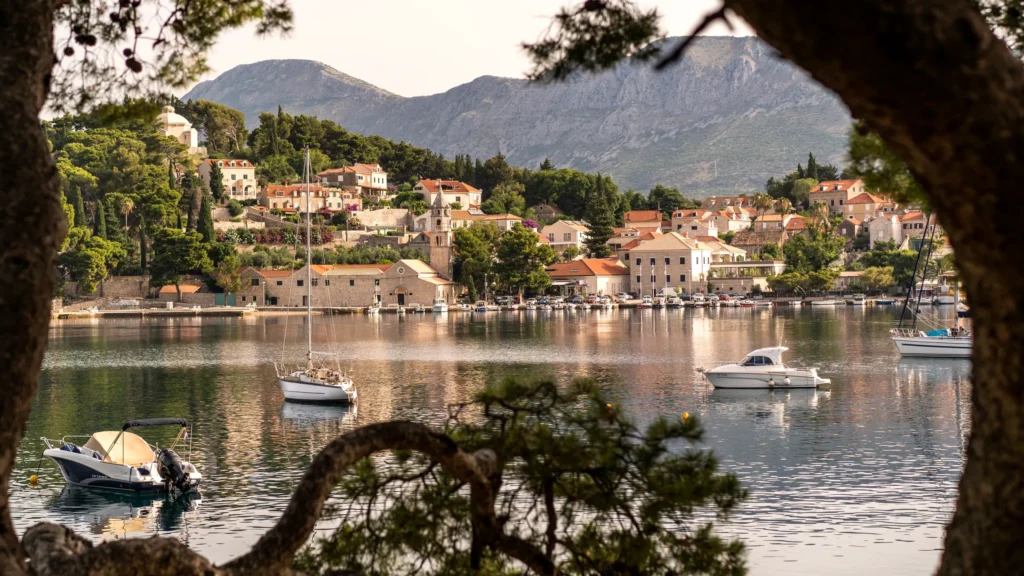
Where to Stay in Croatia
Croatia offers seaside hotels, apartments, villas, guesthouses, campsites and rural stays. The right choice depends on whether you want beaches, nightlife, parking, ferry access, family facilities or a quieter base.
Our accommodation hub compares the main Croatian regions and explains which areas work best for couples, families, road trippers, island visitors and nature-focused holidays.
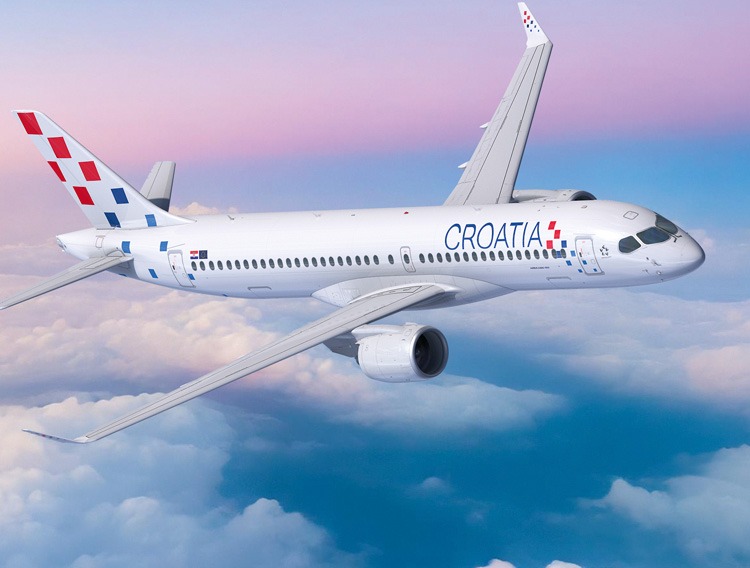
Flights to Croatia
Zagreb is the main airport for the capital and inland Croatia. Pula serves Istria, Rijeka is useful for parts of Kvarner, Zadar covers northern Dalmatia, Split is the main gateway to central Dalmatia and nearby islands, and Dubrovnik serves the far south.
For a route covering more than one region, compare return flights with a multi-city booking. Also check baggage rules and the time needed to travel from the airport to your first accommodation or ferry port.
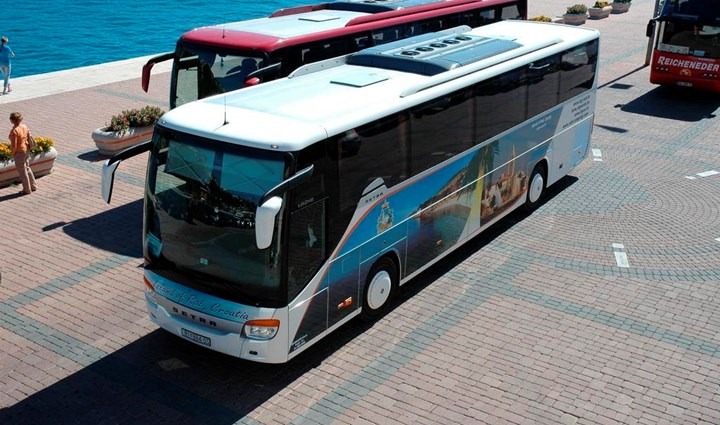
Bus, Train and Ferry Travel
Buses provide the widest public transport coverage between Croatian cities and coastal towns. Trains are more useful around Zagreb and on selected inland routes, while ferries and catamarans connect the mainland with inhabited islands.
A car-free itinerary works particularly well when combining cities such as Zagreb, Zadar, Split or Dubrovnik with an island served by a direct passenger ferry.
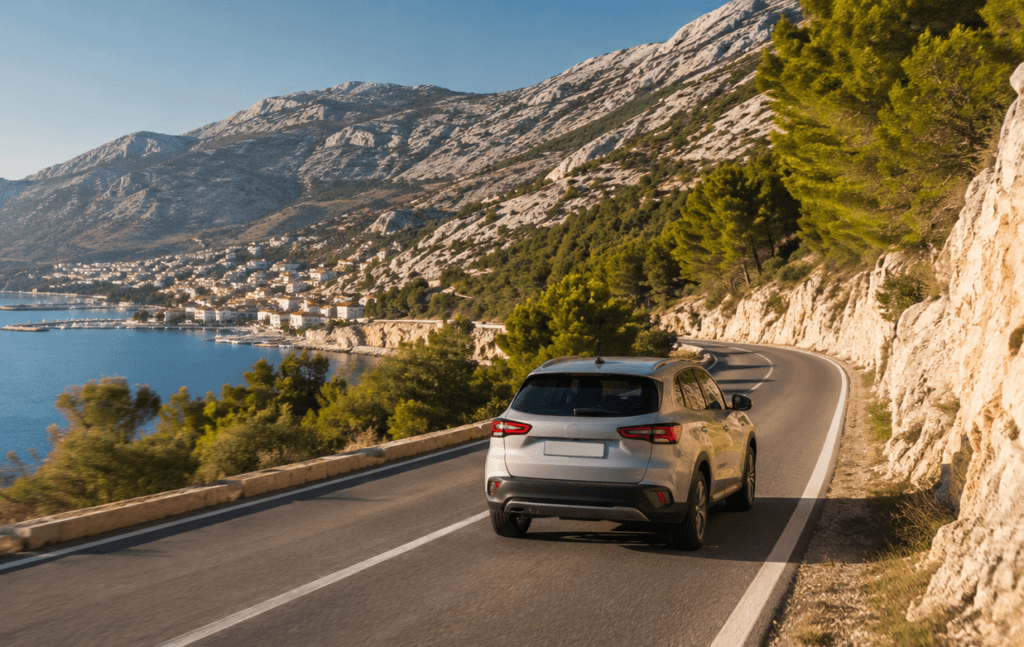
Car, Scooter and Bike Rental
A rental car is useful for inland Istria, rural accommodation, national parks, the Pelješac Peninsula and beaches outside larger towns. It is less useful during several consecutive nights in historic centres where parking may be distant or expensive.
Before booking, check the security deposit, payment-card requirements, one-way fees, border rules and whether the rental company permits its vehicles on ferries.
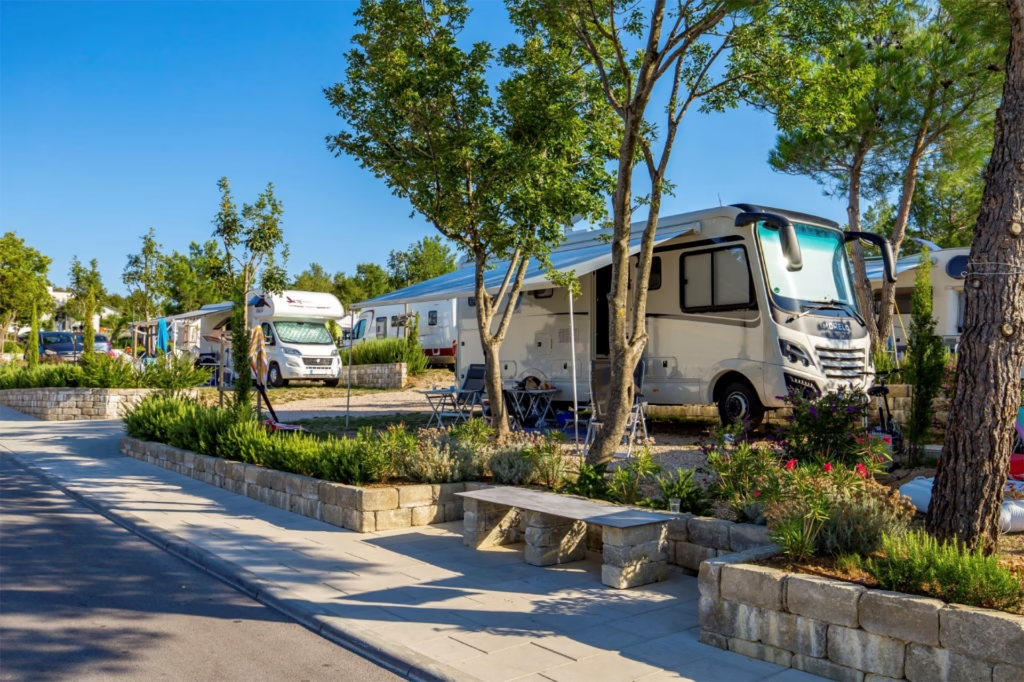
Camping in Croatia
Croatia has large seaside campsites, smaller family-run camps, mobile homes, glamping accommodation and designated motorhome facilities. Istria and Kvarner offer many established coastal campsites, while Dalmatia combines camping with beaches, islands and national parks.
Wild camping is not permitted. Travellers using tents, campervans or motorhomes should stay at registered campsites or authorised facilities and follow local fire and waste-disposal rules.
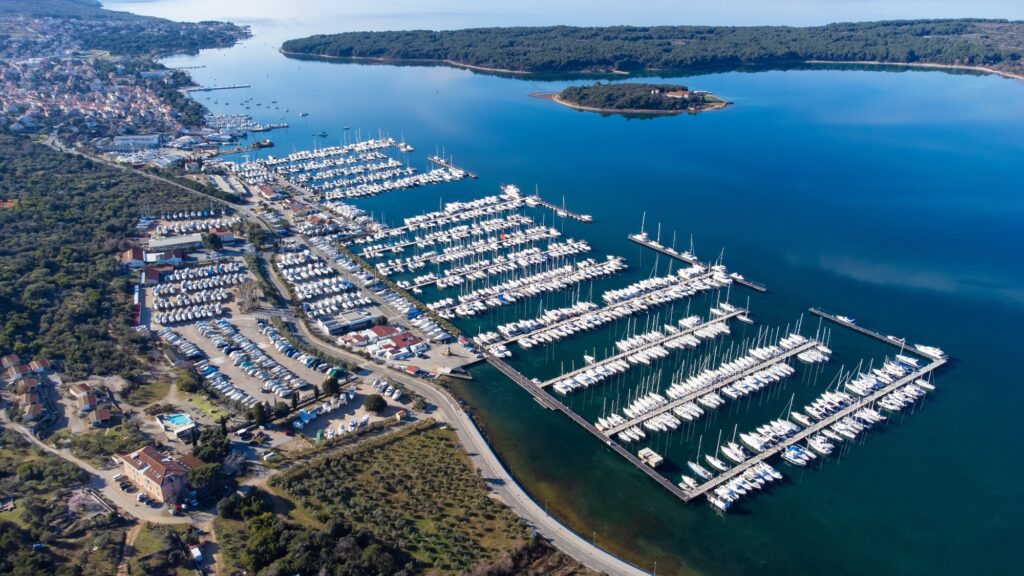
Croatia Ports and Marinas
Sailors can choose from marinas and ports across Istria, Kvarner, Zadar, Šibenik, Split and Dubrovnik regions. Facilities, seasonal opening periods, approach conditions and berth availability vary between locations.
Use the marina directory to compare regional sailing bases, harbour services, nearby anchorages and boat-rental options.

Mobile Data and Internet Access
Visitors from EU and EEA countries may be able to use their existing mobile plan under their provider’s roaming conditions. Other travellers can compare a Croatian SIM card, international eSIM or roaming package.
Check whether your phone supports eSIM, how much data the plan includes and whether tethering is permitted. Downloading tickets, accommodation details and offline maps before travel is still useful on islands and in rural areas.
Choosing Between a Car and Public Transport
A car provides the most freedom, but it is not automatically the best choice for every Croatian holiday.
When a Car Makes Sense
Consider renting a car when you want to:
- Stay in inland Istria or a rural villa.
- Visit smaller beaches and villages.
- Combine national parks with coastal destinations.
- Explore Pelješac, Zagorje, Lika or other rural regions.
- Travel with children, substantial luggage or camping equipment.
- Follow a multi-stop route with limited public transport.
Croatian motorway tolls are charged according to the route and vehicle category. Check current toll information before a longer road trip and allow extra time during busy summer weekends.
When Public Transport Works Better
Buses, local transfers and ferries are often more practical when you:
- Stay in central Split, Dubrovnik, Zadar or Zagreb.
- Plan a city break without rural day trips.
- Visit islands connected by passenger catamarans.
- Do not want to manage parking in historic centres.
- Prefer organised day trips to national parks or nearby islands.
The Mixed Approach
A useful compromise is to stay without a car in the first city, rent one only for the road-trip section and return it before spending time in a historic centre or travelling to an island.
This avoids paying for unused rental days and parking while preserving flexibility for rural areas and beaches.
Planning Ferries and Island Stays
Choose islands according to your mainland route rather than selecting several famous names scattered along the coast. Split is the most practical gateway for Brač, Hvar, Šolta and Vis, while Zadar serves islands in the Zadar archipelago. Dubrovnik connects well with the Elaphiti Islands, Mljet and Korčula on selected routes.
Passenger catamarans are faster and generally do not carry cars. Car ferries are slower but allow vehicles, and ticket or boarding rules depend on the route and operator.
Before confirming an island stay:
- Check whether the ferry operates on your travel date.
- Confirm the departure port, as some cities have more than one boarding location.
- Allow enough time between a flight and the final ferry.
- Check whether your rental car is permitted on the ferry.
- Review luggage rules for passenger catamarans.
- Avoid relying on a summer-only route for a spring or autumn itinerary.
One or two islands are enough for most 7–10-day holidays.
Choosing Accommodation by Location
The cheapest property is not always the most practical. A lower price can be offset by parking fees, taxi journeys, steep access or long travel times to beaches and ferry ports.
Before booking, check:
- Walking distance to the old town, beach or port.
- Hills, stairs and pedestrian-only streets.
- On-site parking or the nearest public car park.
- Public transport after evening arrival.
- Air conditioning during summer.
- Ferry departure times if staying on an island.
- Kitchen and laundry facilities for longer stays.
- Cancellation terms and tourist-tax information.
- Recent reviews mentioning noise, access and the surrounding area.
In Dubrovnik, Split, Trogir, Rovinj and similar historic destinations, accommodation outside the old town may provide easier vehicle access. Travellers without a car may prefer a central location even when the room itself is smaller.
The Best Time to Plan a Croatia Trip
May and June
Late spring and early summer suit sightseeing, road trips, hiking and quieter coastal stays. Most seasonal services are operating by June, although sea temperatures and ferry frequency can vary earlier in the season.
July and August
These are the busiest months for beaches, islands, festivals and nightlife. Reserve popular accommodation, car ferries and major attractions earlier, and expect heavier traffic on coastal roads and motorways.
September and October
September combines warm sea temperatures with a calmer atmosphere in many destinations. October is better for cities, food, culture and road trips, but some island restaurants, beach facilities and seasonal boat connections may have reduced schedules.
November to April
Zagreb, larger cities, wellness regions and cultural trips remain possible throughout the year. Smaller islands and summer resorts are much quieter, with fewer direct flights, tours and seasonal businesses.
Practical Information Before You Travel
Croatia uses the euro. Cards are widely accepted, but carrying some cash is useful for small purchases, markets and businesses in more remote areas.
Entry requirements depend on nationality and the traveller’s individual circumstances. Check official government or EU information before departure rather than relying on older travel articles.
Visitors travelling by car should review current motorway conditions, toll information and their vehicle-insurance documents. Travel insurance should cover the activities included in the itinerary, especially sailing, hiking, cycling or water sports.
Keep digital and offline copies of:
- Passport or identity-card details.
- Travel insurance.
- Accommodation confirmations.
- Flight, bus and ferry tickets.
- Car-rental documents.
- Emergency contacts.
- Important medical information.
Common Croatia Trip Planning Mistakes
Trying to Cover the Entire Coast in One Week
Istria, Split and Dubrovnik are not neighbouring bases. Choose one main part of the coast or use a one-way route with enough nights in each location.
Booking Flights Before Checking the Route
The lowest airfare may lead to expensive transfers or unnecessary backtracking. Compare the airport location with your first and final accommodation.
Keeping a Rental Car in Historic Centres
A car can become an expense rather than an advantage in central Dubrovnik, Split or other pedestrian-focused old towns. Rent it only for the part of the trip where it adds flexibility.
Ignoring Ferry Schedules
Island connections change according to season and day of the week. Confirm the route before booking non-refundable island accommodation.
Choosing Accommodation Without Checking the Terrain
Sea views can involve steep roads or many steps. Review the map, access instructions and recent guest comments, especially when travelling with children, luggage or reduced mobility.
Changing Hotels Too Often
Two or three well-chosen bases usually provide a better experience than moving every night. Many destinations are suitable for day trips.
Final Croatia Planning Checklist
Before departure, confirm that you have:
- Selected a realistic region and itinerary.
- Checked entry-document requirements.
- Compared the most suitable arrival and departure airports.
- Booked accommodation in the right area.
- Confirmed airport transfers or car collection.
- Checked ferry schedules and vehicle rules.
- Reserved important national-park visits or activities.
- Reviewed parking at each base.
- Arranged travel insurance.
- Prepared mobile data or offline maps.
- Saved confirmations where they can be accessed without internet.
Frequently Asked Questions
Quick answers to common questions about planning a Croatia holiday.
How many days are enough for Croatia?
Seven to ten days is a good length for a first visit focused on one region and one island or national park. Allow 10–14 days if you want to combine two regions without rushing.
Which Croatian airport should I use?
Use Pula for Istria, Zagreb for the capital and inland Croatia, Zadar for northern Dalmatia, Split for central Dalmatia and nearby islands, and Dubrovnik for the far south. Rijeka can suit Kvarner when convenient seasonal connections are available.
Is a car necessary in Croatia?
No. A car is unnecessary for many city-and-island itineraries but valuable for rural areas, smaller beaches, national parks and multi-stop road trips.
Is Croatia suitable for island hopping?
Yes, especially from Split, Zadar and Dubrovnik. A practical itinerary normally focuses on islands served from the same part of the coast.
When should accommodation be booked?
For July and August, book popular coastal accommodation, family apartments and island stays well in advance. May, June, September and October usually offer more flexibility, but distinctive properties can still sell out.
Can Croatia be visited without flying?
Yes. Croatia is accessible by road, international bus, selected rail connections and sea routes. Driving is particularly practical for visitors arriving from Slovenia, Italy, Austria and nearby Central European countries.
Is Croatia suitable for families?
Yes. Istria, Kvarner, Zadar County and Šibenik-Knin County are particularly practical for family accommodation, beaches, campsites and manageable day trips. Check beach access, shade, parking and walking terrain before choosing a base.