
Croatia Adventure Holidays: Best Regions & Activities
Croatia is particularly well suited to travellers who want to combine outdoor activities with beaches, islands and historic coastal towns. Mountains rise close to the Adriatic, rivers cut through limestone canyons, and many of the best kayaking, hiking and cycling areas can be reached from established holiday bases.
QUICK PLANNING ANSWER
For most travellers, five to seven days in one region is better than trying to cross the whole country. This gives you time for two or three main activities, an easier coastal day and some flexibility if wind, rain or sea conditions change the plan.
Choose your region according to your main priority:
- Best overall variety: Split-Dalmatia County
- Best for hiking, climbing and river adventure: Zadar County
- Best for cycling and easy road-trip logistics: Istria
- Best sea-to-mountain combination: Kvarner
- Best for national parks and island trips: Šibenik-Knin County
- Best for sea kayaking and southern island scenery: Dubrovnik-Neretva County
- Best first-time bases without a car: Split, Zadar or Šibenik
- Best bases for a dedicated outdoor trip: Omiš, Starigrad-Paklenica, Premantura or Murter
A single adventure activity works well as a day trip from a city or beach base. For a proper multi-activity holiday, stay at least four or five nights and choose accommodation close to your most important activity.
The right region depends on the type of adventure you want. Split-Dalmatia is strongest for guided river activities and island trips, Zadar County combines serious mountain terrain with the Zrmanja River, while Istria is one of the easiest regions for cycling and flexible multi-activity holidays.
Use this Croatia adventure holidays hub to compare the main regions, choose a practical base and decide whether you need a single guided day or a complete active holiday.
Explore This Guide
Use this Croatia adventure holidays hub to compare the main regions, choose a practical base and decide whether you need a single guided day or a complete active holiday.
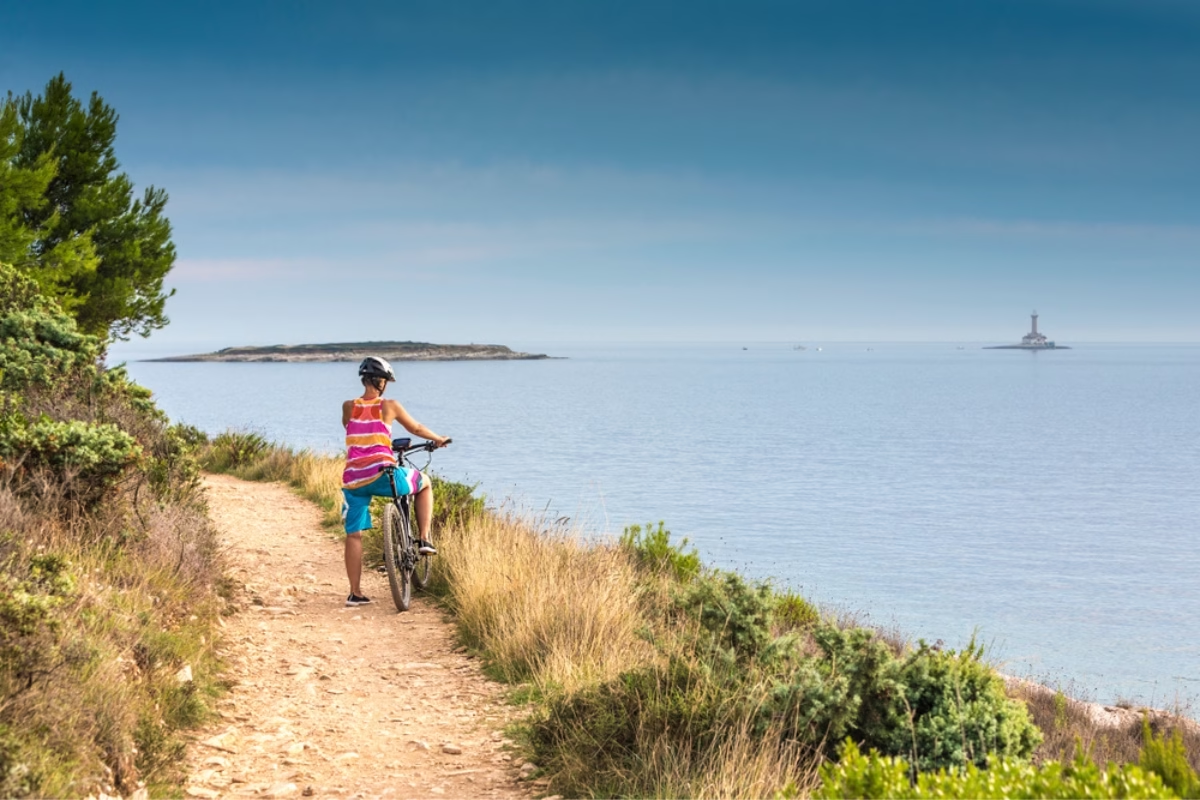
Istria is one of the simplest regions for travellers who want several outdoor activities without changing accommodation frequently. Distances between the coast, central hills and eastern mountain areas are relatively manageable by car.
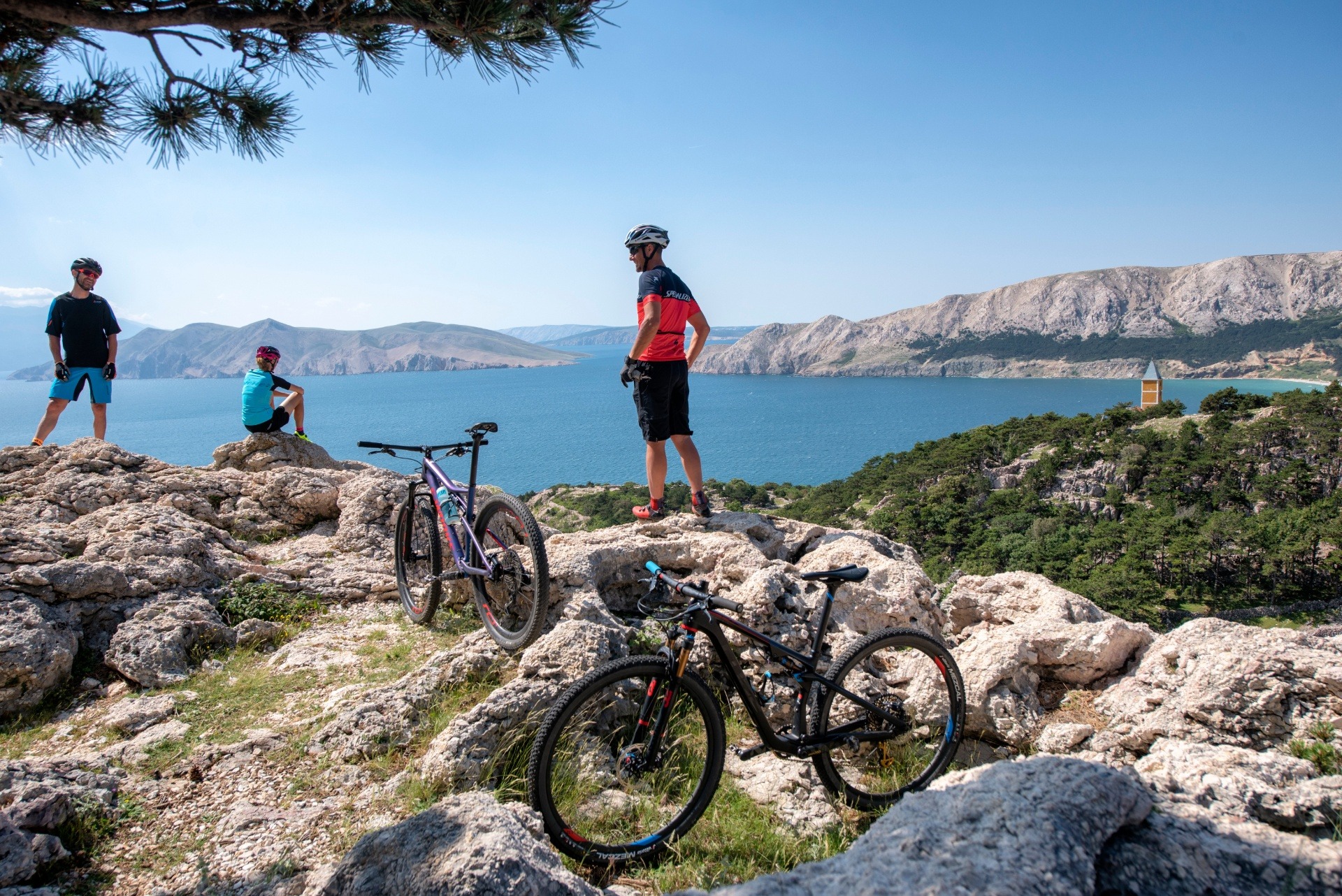
Kvarner brings islands, coastal ridges and forested highlands into one region. It is a strong option for travellers who want to hike above the Adriatic, cycle on an island and spend a cooler day in the forests of Gorski Kotar.
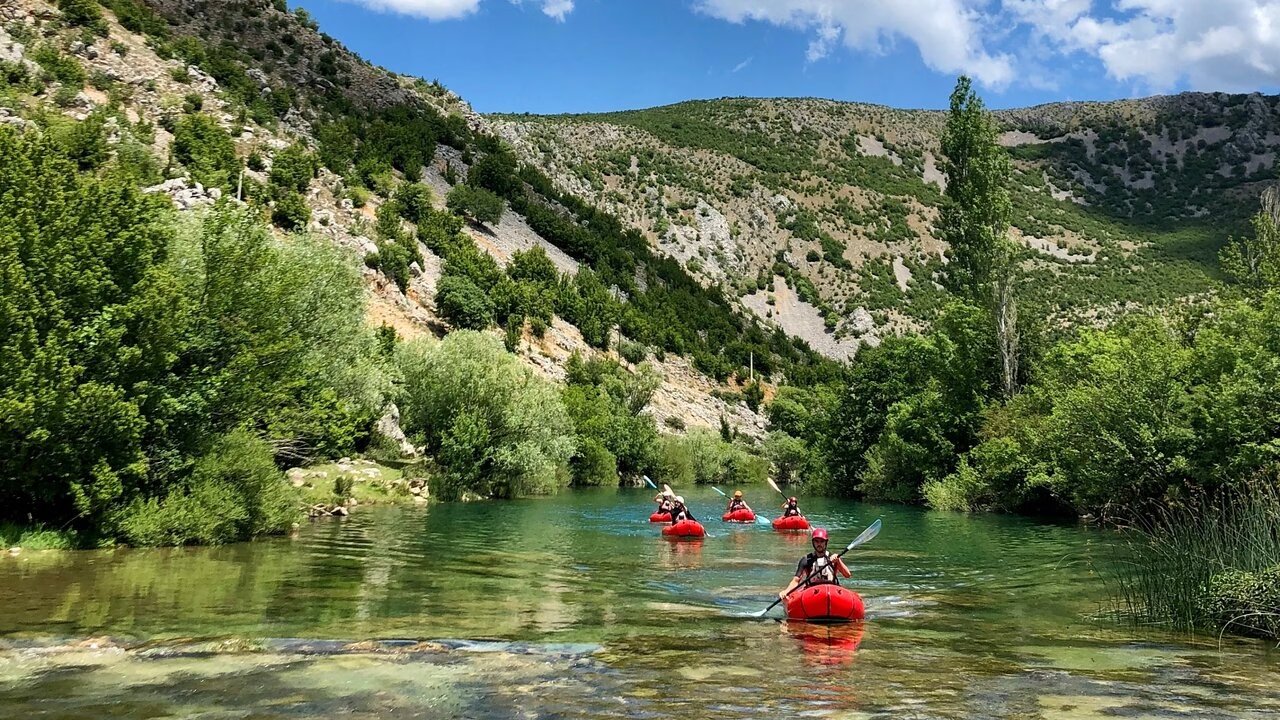
Zadar County offers one of Croatia’s strongest combinations of mountain and water adventure. Paklenica National Park provides hiking and recognised climbing terrain, while the Zrmanja River is used for guided kayaking and rafting experiences when conditions allow.
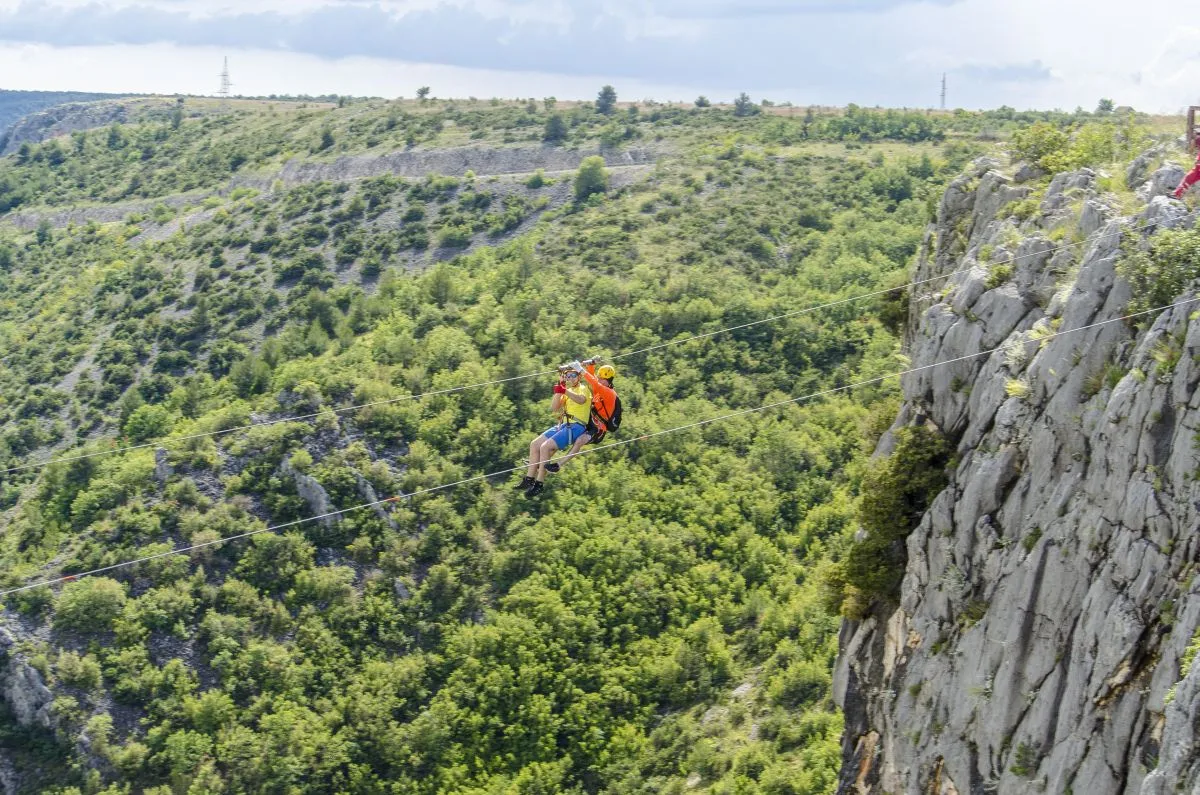
Šibenik-Knin County is a flexible choice for travellers who want national parks, island boat trips and lighter outdoor activities in the same holiday. Krka National Park, the Šibenik archipelago, Kornati National Park and Čikola Canyon create a useful mix of inland and coastal days.
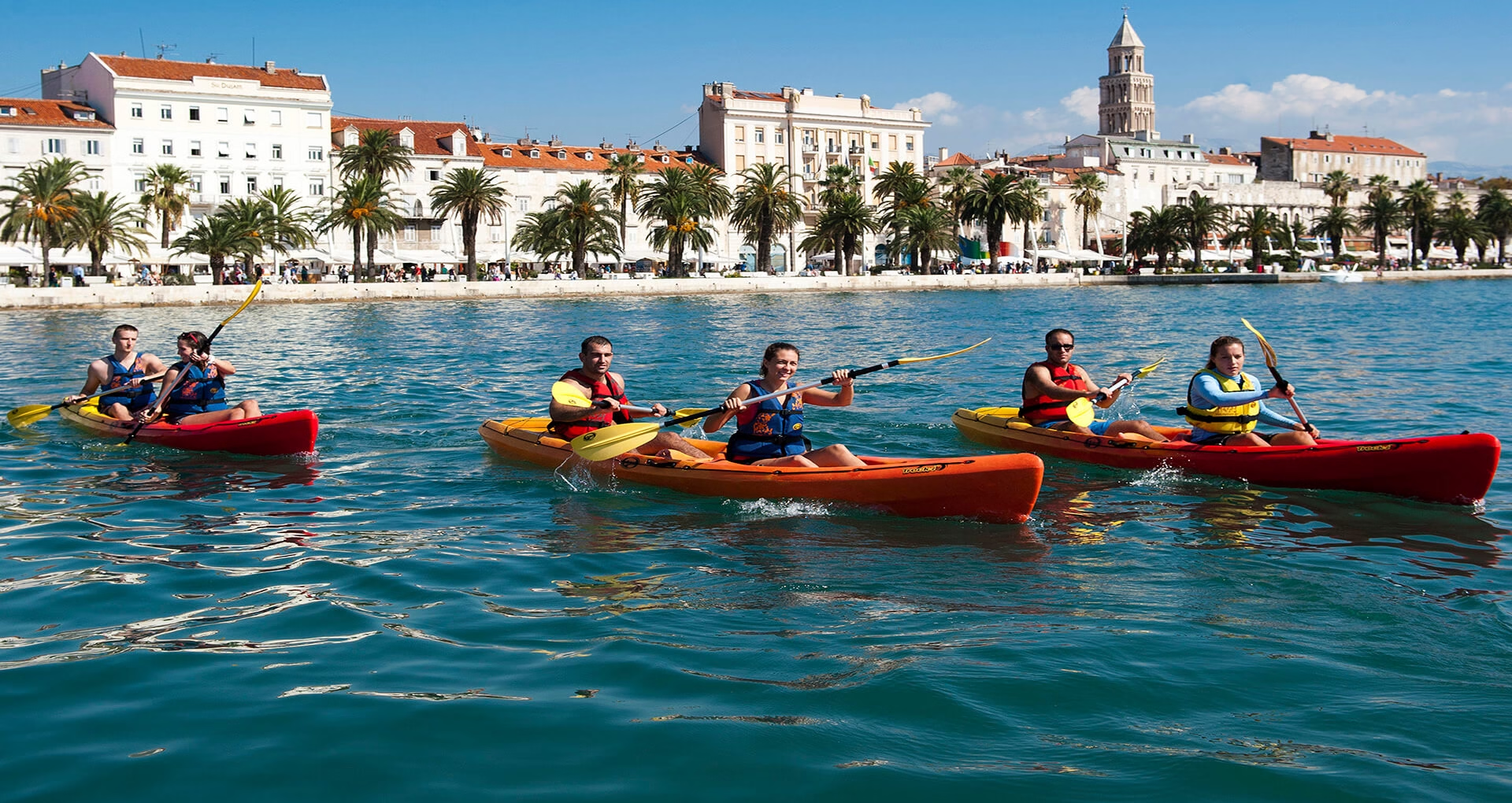
Split-Dalmatia provides the widest selection of guided adventure activities. The Cetina River and Omiš are the main centre for rafting, canyoning and ziplining, while Split offers sea kayaking, island boat trips and easier access for travellers without a car.
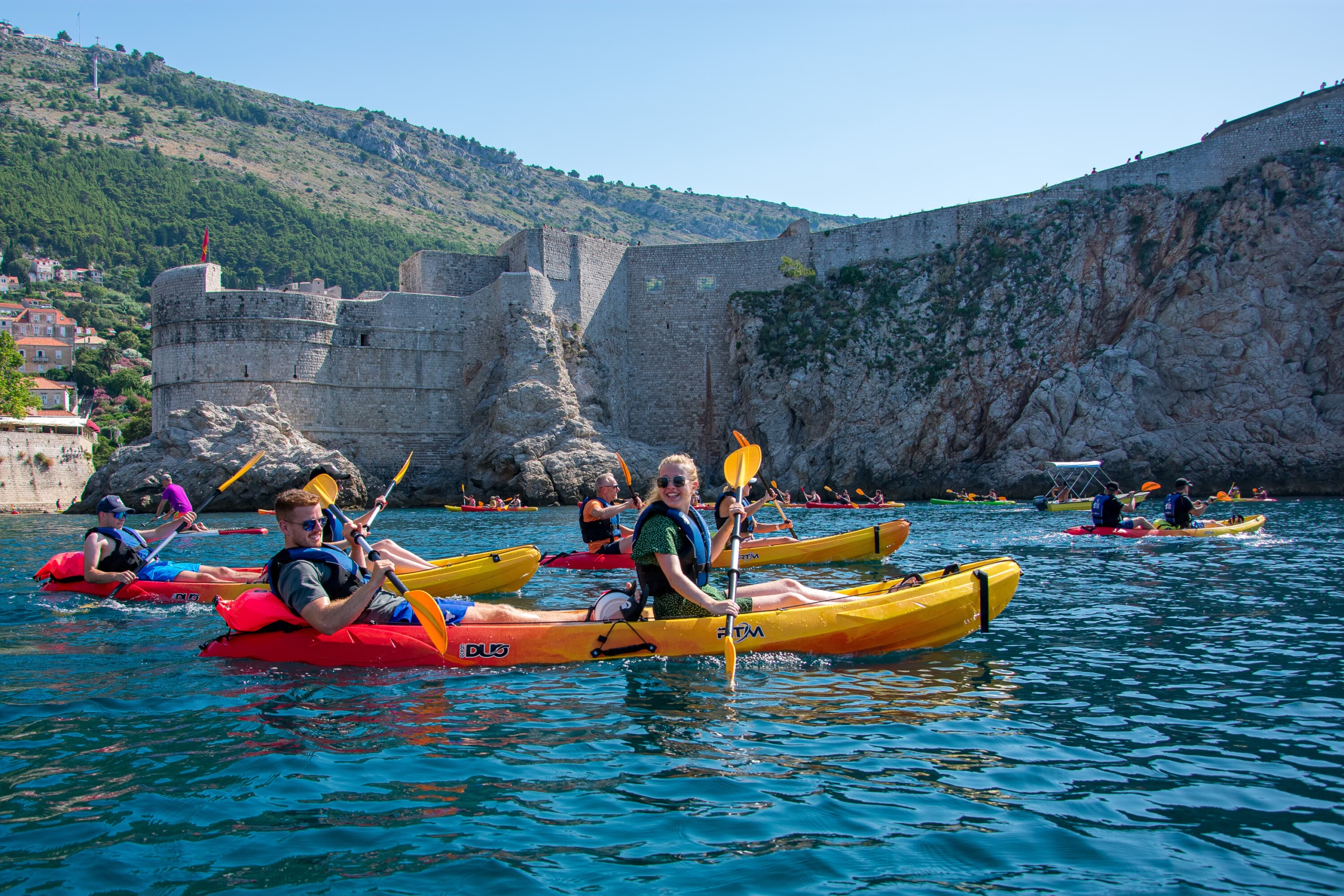
Dubrovnik-Neretva County is best known for cultural landmarks, but it also supports a varied coastal adventure holiday. Sea kayaking below the Dubrovnik walls is the easiest activity to add to a city stay, while the Elaphiti Islands, Mljet and the Pelješac Peninsula provide more space for walking, cycling and water activities.
Istria for Cycling and Easy Multi-Activity Trips
Istria is one of the simplest regions for travellers who want several outdoor activities without changing accommodation frequently. Distances between the coast, central hills and eastern mountain areas are relatively manageable by car.
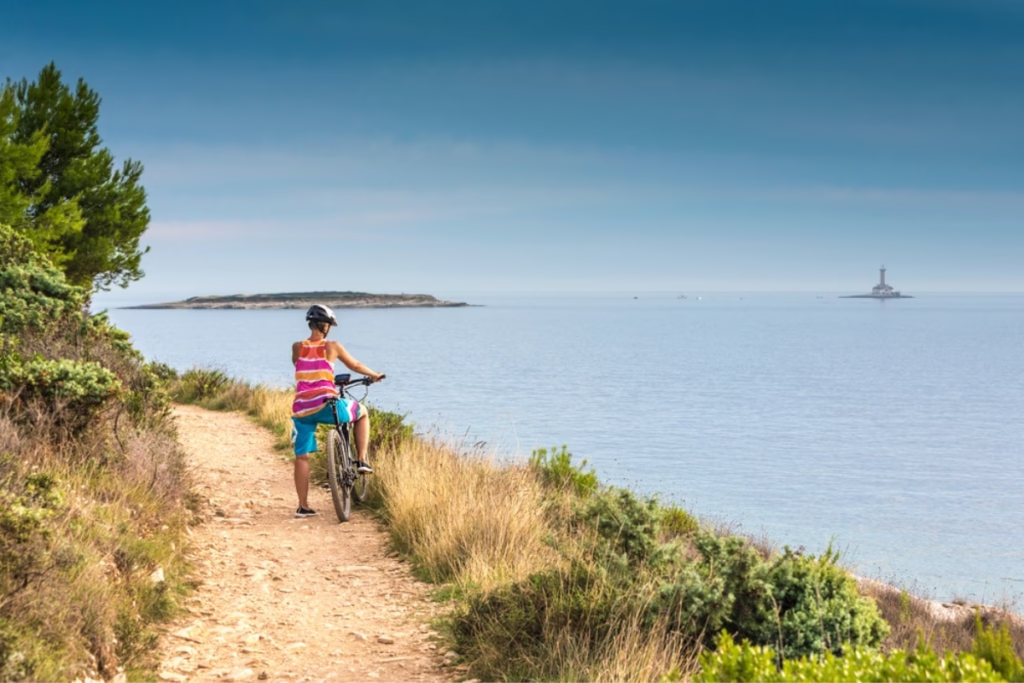
Pula, Premantura and Medulin work best for sea kayaking, snorkelling and wind sports. Rabac is a stronger choice for mountain biking, while Pazin provides access to inland trails and the Pazin Cave zipline. The Parenzana route adds a gentler cycling option through north-western Istria.
Istria particularly suits couples, families, road-trippers and travellers trying an active holiday for the first time.
Best bases: Pula, Premantura, Medulin, Rabac and Pazin
Main activities: Cycling, mountain biking, sea kayaking, snorkelling, hiking, ziplining and wind sports
Kvarner for Sea-to-Summit Adventure
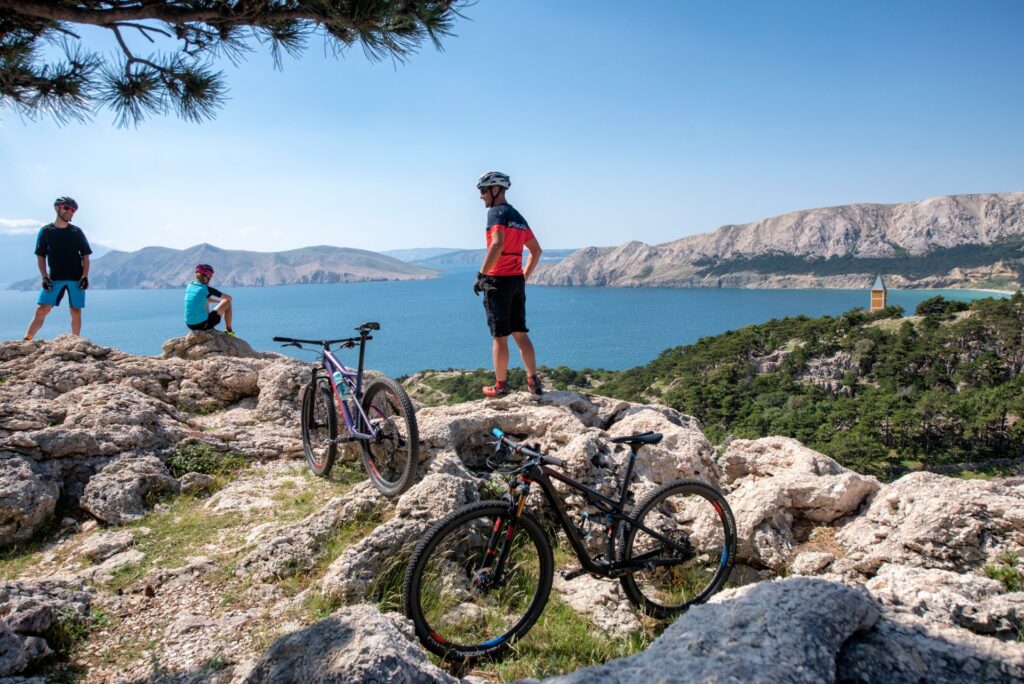
Kvarner brings islands, coastal ridges and forested highlands into one region. It is a strong option for travellers who want to hike above the Adriatic, cycle on an island and spend a cooler day in the forests of Gorski Kotar.
Rijeka is the most practical transport base, while Opatija suits coastal walks and access towards Učka Nature Park. Krk offers the easiest island logistics by car, and Cres and Lošinj are better for a slower combination of cycling, hiking and swimming. Risnjak National Park and Gorski Kotar provide a very different landscape from the coast.
Kvarner works especially well for travellers who prefer active days without giving up comfortable towns, restaurants and seaside evenings.
Best bases: Rijeka, Opatija, Krk Island, Cres, Lošinj and Gorski Kotar
Main activities: Hiking, island cycling, mountain biking, kayaking, diving and trail running
Zadar County for Mountains, Rivers and Climbing
Zadar County offers one of Croatia’s strongest combinations of mountain and water adventure. Paklenica National Park provides hiking and recognised climbing terrain, while the Zrmanja River is used for guided kayaking and rafting experiences when conditions allow.
Zadar is the best general base for travellers who also want restaurants, coastal walks and island departures. Starigrad-Paklenica is the better choice for early starts in the national park, while the Obrovac area reduces transfers to the Zrmanja. Nin suits wind sports, and Sali on Dugi Otok works for island trails, cliffs and sheltered bays.
Choose Zadar County if hiking, climbing or river activities are the main purpose of the trip rather than an occasional addition to a beach holiday.
Best bases: Zadar, Starigrad-Paklenica, Obrovac, Nin, Biograd na Moru and Sali
Main activities: Hiking, rock climbing, rafting, river kayaking, sea kayaking, wind sports and cycling
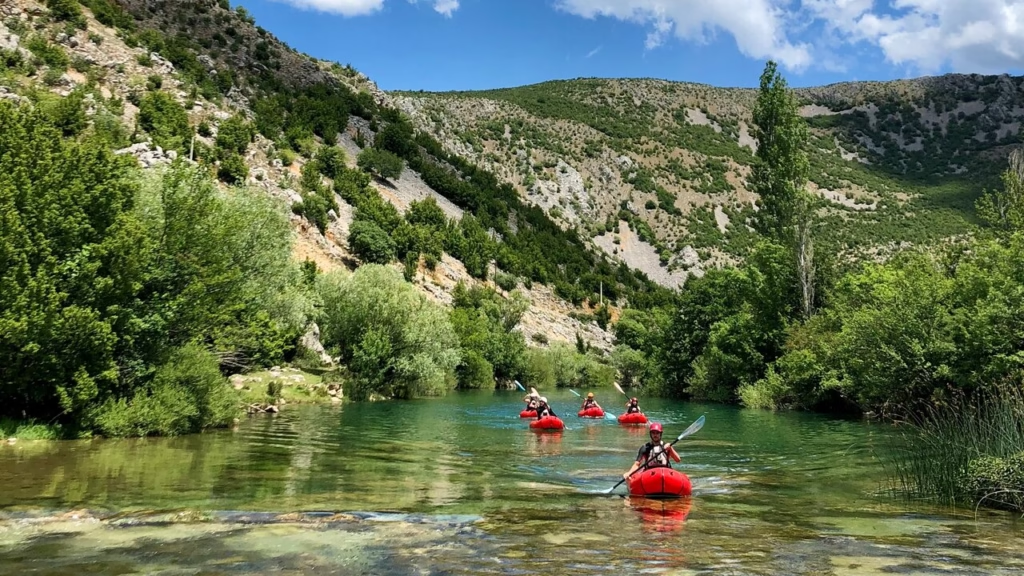
Šibenik-Knin County for Parks and Islands
Šibenik-Knin County is a flexible choice for travellers who want national parks, island boat trips and lighter outdoor activities in the same holiday. Krka National Park, the Šibenik archipelago, Kornati National Park and Čikola Canyon create a useful mix of inland and coastal days.
Šibenik is the best all-round base. Skradin is more practical for a Krka-focused stay, while Murter is the strongest choice for Kornati boat departures and swimming days. Drniš and Knin suit travellers who want quieter inland scenery, canyon viewpoints and access towards the Dinara area.
This region works particularly well for mixed groups because active travellers can combine hiking or ziplining with easier park walks, boat trips and beaches.
Best bases: Šibenik, Skradin, Murter, Vodice, Primošten, Drniš and Knin
Main activities: Park walks, island trips, kayaking, cycling, ziplining, hiking and snorkelling
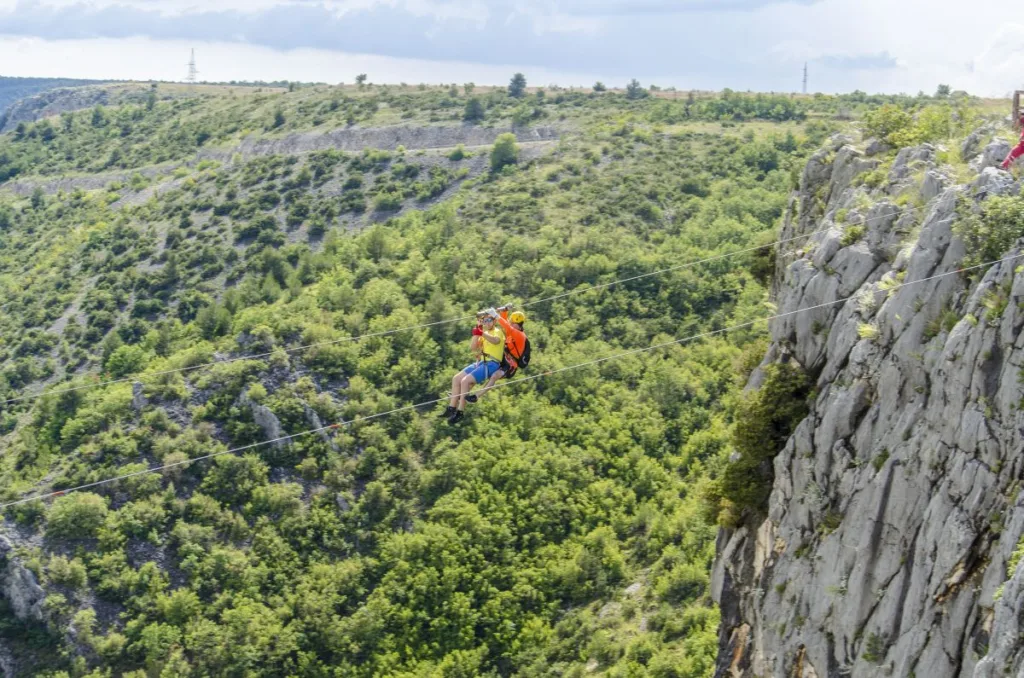
Split-Dalmatia for Rafting, Canyoning and Island Days
Split-Dalmatia provides the widest selection of guided adventure activities. The Cetina River and Omiš are the main centre for rafting, canyoning and ziplining, while Split offers sea kayaking, island boat trips and easier access for travellers without a car.
Split is best for variety, ferry connections and evening atmosphere. Omiš is the stronger base when river activities are the main priority, and Makarska works better for travellers combining Biokovo scenery with beach days. Hvar, Brač and Vis add island hiking, paddling and boat-based experiences.
This is usually the safest first choice for travellers who want one or two organised adventure days within a broader Croatia holiday.
Best bases: Split, Omiš, Makarska, Bol and Hvar Town
Main activities: Rafting, canyoning, ziplining, sea kayaking, island trips and mountain hiking
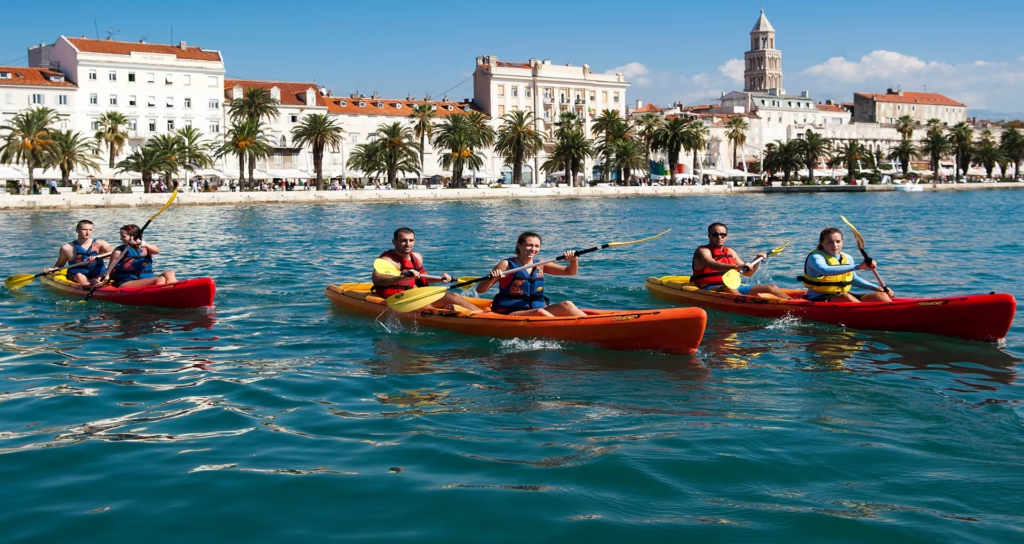
Dubrovnik-Neretva for Sea Kayaking and Southern Islands
Dubrovnik-Neretva County is best known for cultural landmarks, but it also supports a varied coastal adventure holiday. Sea kayaking below the Dubrovnik walls is the easiest activity to add to a city stay, while the Elaphiti Islands, Mljet and the Pelješac Peninsula provide more space for walking, cycling and water activities.
Dubrovnik or Cavtat works for short guided trips and easy airport access. Orebić and Viganj are better for Pelješac hiking and wind sports, while a stay on Mljet suits travellers who prefer cycling, kayaking and walking in a quieter island setting.
Choose this region for a combination of scenery, islands and cultural stops rather than a holiday focused entirely on high-adrenaline activities.
Best bases: Dubrovnik, Cavtat, Orebić, Viganj, Korčula Town and Mljet
Main activities: Sea kayaking, island cycling, coastal hiking, wind sports, snorkelling and boat trips

Best Outdoor Activities in Croatia
Hiking and Mountain Adventures
Croatia’s most dramatic hiking areas rise behind or very close to the coast. This makes it possible to combine a mountain morning with a swim or seaside dinner, but it also means conditions can change quickly between sea level and higher terrain.
Starigrad-Paklenica is the strongest base for canyon hiking and climbing. Zadar works better when the mountain day is only part of a broader itinerary. Biokovo above the Makarska Riviera provides dramatic views, while Učka and the Kvarner highlands are useful for travellers starting in Istria or around Rijeka.
Mljet and Dugi Otok offer less demanding island walks, although rocky surfaces, limited shade and summer heat can still make short routes feel strenuous.
For serious mountain routes, use proper hiking shoes, carry sufficient water and check local weather and trail conditions before departure.
Rafting, Canyoning and Ziplining
The Cetina River near Omiš is the most practical centre for travellers who want several guided adrenaline activities from one base. Rafting, canyoning and ziplining can be combined across two or three days without repeatedly travelling from Split.
The Zrmanja River provides another strong river experience and fits naturally into a Zadar or Starigrad itinerary. Activity type and intensity can vary according to water levels and the selected operator.
Čikola Canyon near Šibenik is better known for canyon scenery and zipline experiences than for building a full river holiday around one location.
Rafting and easier zipline experiences can suit beginners, but canyoning routes differ considerably. Confirm swimming ability, physical requirements, minimum age and included safety equipment before booking.
Sea Kayaking and Island Adventures
Sea kayaking is available along much of the Croatian coast, but each region offers a different setting.
Dubrovnik combines paddling with views of the walls and nearby Lokrum. Split offers accessible routes around Marjan and guided trips from a major city base. Istria provides rocky coastline around Cape Kamenjak, Pula and the Lim Bay area, while Zadar and Šibenik open towards island channels and archipelagos.
A calm-looking coast can still be affected by wind, waves and boat traffic. Guided trips are the better choice for beginners, exposed routes, sea caves and longer crossings. Operators may change or cancel routes when conditions are unsuitable, so avoid building an inflexible itinerary around one water activity.
Cycling and Mountain Biking
Istria is the most complete cycling destination among the regions covered by this hub. It combines converted railway routes, quiet inland roads, coastal cycling and more technical mountain-bike areas around Rabac.
Kvarner adds island cycling on Krk, Cres and Lošinj together with forest routes in Gorski Kotar. Vransko Lake, between the Zadar and Šibenik areas, provides a gentler cycling and nature day.
Pelješac and Mljet suit travellers who want cycling as part of a slower coastal holiday. Steep roads, limited shade and summer traffic mean that distance alone does not show how demanding a route will feel.
Check whether accommodation provides secure bicycle storage and whether local rental companies supply helmets, repair kits and collection assistance.
Wind Sports, Snorkelling and Diving
Nin Lagoon is one of the most convenient wind-sports areas near Zadar, while Premantura and Medulin serve travellers staying in southern Istria. Viganj on Pelješac is the main wind-sports base in the Dubrovnik-Neretva region.
Snorkelling is easy to add throughout the coast, especially around rocky headlands and sheltered island bays. Water shoes are useful for entering from pebble or rocky shores.
Diving should be arranged through an established centre that can match the site to your certification and recent experience. Weather and visibility may affect the final location.
Day Trip or Dedicated Adventure Holiday
A day trip is enough when the activity is a secondary part of a city or beach holiday. Sea kayaking from Dubrovnik or Split, Cetina rafting from Split, a Krka visit from Šibenik and a guided Zrmanja experience from Zadar can all fit into a broader itinerary.
Stay overnight near the activity when it requires an early start, depends heavily on conditions or is the main reason for travelling.
Practical overnight choices include:
- Omiš for rafting, canyoning and ziplining
- Starigrad-Paklenica for hiking and climbing
- Obrovac for Zrmanja River activities
- Murter for Kornati departures
- Premantura for Cape Kamenjak and water sports
- Rabac for regular mountain-bike days
- Mljet for a slower island adventure
- Viganj for several days of wind sports
For a complete Croatia active holiday, plan at least four nights in one region. Five to seven nights allows a better balance between demanding activities, lighter days and changes caused by weather.
Getting Around on an Active Holiday
A car provides the greatest flexibility for trailheads, inland rivers and accommodation outside major towns. It is particularly useful in Istria, Gorski Kotar, around Paklenica and Zrmanja, inland Šibenik-Knin County and on Pelješac.
A car is not essential for every trip. Split, Zadar, Šibenik, Rijeka and Pula have enough guided departures and regional transport to support a simpler adventure holiday. Split is the easiest base for combining organised activities with ferries and city life.
When using islands as a base, check whether the relevant ferry carries vehicles or only passengers. Summer timetables normally provide more options, but popular departures and limited vehicle spaces require earlier planning.
Driving distances can appear short on a map, yet coastal traffic, ferry schedules, mountain roads and park access can add time. Do not combine distant trailheads simply because they are located in the same county.
Best Time for Croatia Adventure Holidays
Spring
Late spring is one of the strongest periods for hiking, cycling and mixed outdoor holidays. Temperatures are usually more comfortable than in midsummer, landscapes are greener and many guided activities are already operating.
River conditions can be stronger than later in the year, but they still depend on rainfall and local circumstances. The sea may feel cool for long swimming sessions.
Summer
Summer is best for island trips, snorkelling, sea kayaking and water-based holidays. It is also the busiest and hottest period.
Plan exposed hikes and cycling for early morning. Keep the afternoon for swimming, shaded routes or recovery. Popular boat trips, canyoning sessions and guided activities should be reserved earlier.
Autumn
Early autumn often provides the best balance between outdoor temperatures and a sea that remains comfortable for swimming. Cycling and hiking become easier as the strongest heat passes.
Shorter daylight and changing weather require more flexibility later in the season. Boat and water-sports schedules may also become less frequent.
Winter
Coastal walking, city-based cycling and some lower routes remain possible on suitable days. Higher areas may have snow, ice, strong wind and genuinely wintry mountain conditions.
Winter mountain routes are not a casual extension of a coastal holiday. Travellers without the appropriate equipment and experience should choose lower walks or join a qualified local guide.
A Simple Seven-Day Adventure Plan
Seven days are best spent in one region rather than travelling from Istria to Dubrovnik.
A balanced active week can follow this pattern:
- Day 1: Arrive, settle into the base and take a short coastal walk.
- Day 2: Complete the main regional hike or cycling route.
- Day 3: Book a guided water activity such as rafting or kayaking.
- Day 4: Add a beach, cultural town or easy recovery day.
- Day 5: Visit a second activity zone or nearby island.
- Day 6: Keep a flexible day for weather-dependent activities.
- Day 7: Take a short morning walk before departure.
For a trip of ten to fourteen days, combine neighbouring regions rather than opposite ends of the country. Practical pairings include Istria with Kvarner, Zadar with Šibenik, or Split-Dalmatia with Dubrovnik-Neretva.
Croatia Adventure Holidays for Families
Croatia can work well for an active family holiday when the base and activity level are chosen carefully.
Families generally benefit from shorter transfers, predictable guided sessions and accommodation close to a usable beach. Split, Omiš, Zadar, Šibenik, Medulin and Krk provide the broadest combination of services and easy activities.
Suitable options may include:
- Short sea-kayaking trips in sheltered water
- Easier park walks
- Family-oriented rafting
- Cycling on flatter routes
- Snorkelling from accessible beaches
- Short boat trips with swimming stops
- Zipline or adventure parks with appropriate age limits
Do not assume that every beginner activity accepts younger children. Minimum age, weight, swimming ability and weather rules differ between operators.
Common Planning Mistakes
Trying to Cover Too Many Regions
Croatia’s long coastline makes multi-region itineraries look easier than they are. A seven-day adventure holiday should normally stay within one region or two neighbouring areas.
Planning Mountain Activities at Midday
Exposed limestone terrain provides little shade. During the hottest months, start early and avoid placing the most demanding climb or hike in the afternoon.
Booking Every Day in Advance
Some activities depend on wind, water level, sea conditions or visibility. Reserve the most important tours, but keep at least one day flexible.
Using Beach Footwear on Mountain Trails
Water shoes and sandals are useful on the coast but are not suitable for loose rock, steep paths or longer canyon routes. Pack footwear according to the most demanding activity.
Ignoring Recovery Time
Rafting, canyoning, cycling and hiking on consecutive days can become tiring, particularly in summer heat. Add an easier beach, island or cultural day between demanding activities.
Choosing a Base Only by Its Popularity
Split is not automatically better than Omiš, and Zadar is not automatically better than Starigrad. Stay close to the activity that matters most, then use the larger town as a day trip if necessary.
Assuming Every Tour Has the Same Difficulty
Terms such as beginner, family-friendly and moderate are not universal. Read the route description and ask the operator about swimming, heights, jumps, walking distance and physical requirements.
Outdoor Safety and Responsible Travel
Check the weather again on the morning of the activity. Coastal sunshine does not guarantee calm sea conditions or safe weather in the mountains.
Use qualified local operators for rafting, canyoning, technical climbing, diving, open-water kayaking and unfamiliar mountain terrain. Confirm what equipment is included and whether your travel insurance covers the planned activities.
Carry more water than you expect to need on exposed summer routes. Use sun protection, follow fire restrictions and never enter closed park areas or blocked trails.
Take rubbish back with you, avoid damaging vegetation and do not disturb wildlife. On islands and in smaller settlements, marked paths often cross working landscapes, so respect gates, private land and local access rules.
FAQs
Which part of Croatia is best for an adventure holiday?
Split-Dalmatia offers the widest overall selection. Zadar County is stronger for mountains, climbing and river activities, while Istria is best for cycling and easy multi-activity road trips. The best choice depends on the main activity rather than the most famous city.
How many days are needed for a Croatia active holiday?
Allow five to seven days for one region. Ten to fourteen days is better for combining two neighbouring regions without spending too much time driving.
Can I plan a Croatia adventure holiday without a car?
Yes, especially from Split, Zadar, Šibenik, Rijeka or Pula. Guided tours often include transport, but a car provides better access to trailheads, inland rivers and quieter accommodation.
Which Croatian region is best for beginners?
Istria and Split-Dalmatia provide the easiest selection of guided and moderate activities. Beginners can combine shorter hikes, coastal kayaking, cycling and organised rafting without building the entire trip around technical outdoor skills.
Are Croatia adventure holidays suitable for families?
Yes, but the activity and base must match the children’s ages and abilities. Confirm minimum age, swimming requirements and route difficulty directly with the operator.
When is the best time for hiking and cycling in Croatia?
Late spring and early autumn usually offer the best balance of comfortable temperatures and available services. In summer, begin exposed routes early and avoid the strongest midday heat.
Which activities should be booked in advance?
Reserve popular rafting, canyoning, zipline, diving and boat trips ahead of time during busy periods. Choose flexible cancellation terms for activities affected by wind or sea conditions.