Croatian winter dishes range from sour cabbage rolls and baked cheese pastries to Dalmatian braised beef and Istrian bean stews. What to order depends on where you are: Zagreb and Hrvatsko Zagorje lean towards štrukli and roast turkey with mlinci, while Istria has jota and Dalmatia has pašticada.
Some specialities are closely tied to Christmas, especially bakalar, while others appear on restaurant menus throughout the colder months or even year-round. For a food-focused winter trip, choosing the right region and checking the daily menu matters more than trying to find every dish in one place.
Explore This Guide
ToggleCroatian Winter Food at a Glance
- For a warming main course, start with sarma, grah or a regional stew.
- For cheese-filled comfort food, look for baked or boiled štrukli in Zagreb and Hrvatsko Zagorje.
- On the coast, seek out pašticada in Dalmatia and jota in Istria.
- Around Christmas, look for bakalar and freshly fried fritule, but confirm availability rather than assuming every restaurant serves them.
- For vegetarian meals, check the full preparation: bean stews and vegetable sides can contain bacon, meat stock or lard.
Traditional Croatian Winter Dishes to Try
1. Štrukli: Baked or Boiled Cheese-Filled Dough
Closely associated with Hrvatsko Zagorje and Zagreb, štrukli are made from thin dough wrapped around a filling commonly based on fresh cheese, sour cream and eggs. They can be boiled or baked, with both savoury and sweet preparations.
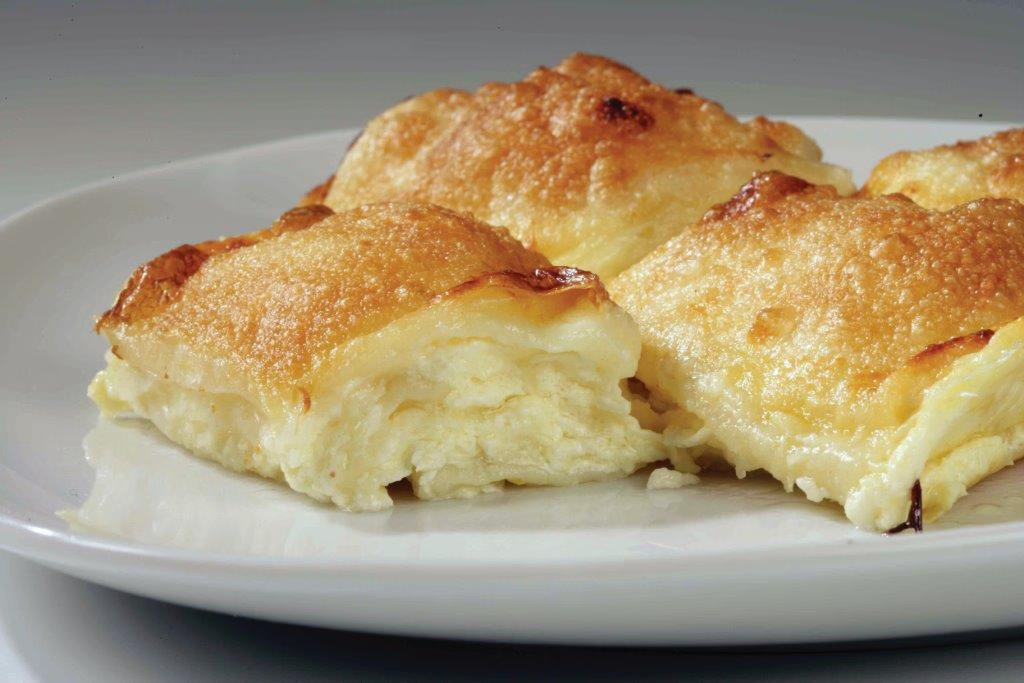
For a rich winter meal, look for zapečeni štrukli, the baked version, often finished with cream. Kuhani štrukli are boiled and may be served with buttered breadcrumbs or another topping, depending on the recipe.
The useful ordering question is whether the dish is savoury or sweet and whether the portion is intended as a starter, main course or dessert.
2. Sarma: Sour Cabbage Rolls
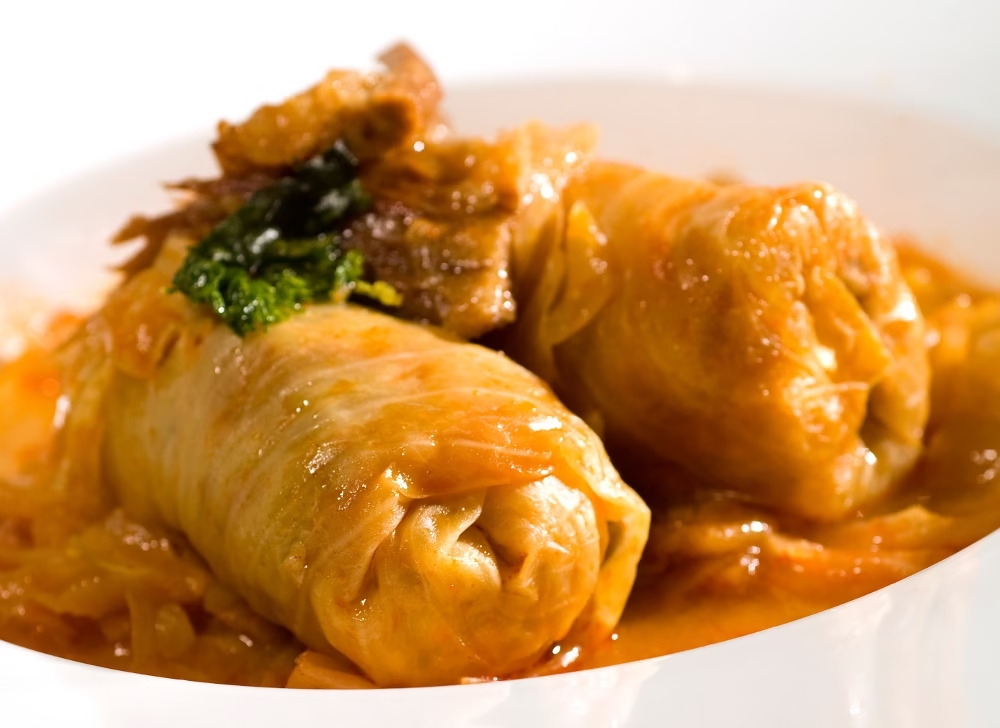
Sarma is one of the clearest introductions to Croatian winter cooking. Fermented cabbage leaves are wrapped around a filling of minced meat and rice, then simmered slowly, often with smoked pork. Recipes vary, but the cabbage gives the dish its characteristic tang.
Mashed potatoes are a common accompaniment, balancing the sour cabbage and cooking juices. This is a substantial main course rather than a small starter, so check the portion before adding several sides.
Look for sarma in traditional restaurants and on daily lunch menus, especially in continental Croatia. It is strongly associated with winter and New Year celebrations, although restaurant availability depends on the kitchen.
3. Pašticada: Dalmatian Braised Beef With Gnocchi
Pašticada is a traditional Dalmatian dish of marinated beef slowly cooked in a sauce that commonly includes wine, vegetables and dried fruit. Recipes differ between households and restaurants, with prunes or other dried fruit helping give the sauce its sweet-and-sour balance.
The beef is typically served with potato gnocchi, listed as njoki on Croatian menus. Although often loosely described as a stew, pašticada is better understood as slowly braised beef served with its rich sauce.
It belongs to Dalmatian festive cooking and is not exclusive to winter. For visitors travelling through Split, Dubrovnik, Zadar or elsewhere in Dalmatia, it offers a substantial alternative to a seafood meal. Check the menu in advance when it is a priority, rather than expecting every konoba to prepare it daily.
4. Grah: Bean Stew With Regional Variations
Grah means beans, but on a lunch menu it often refers to a filling bean stew. Common versions include sausage or smoked meat, while other preparations add sour turnip or vegetables.
Look for wording such as grah s kobasicom, meaning beans with sausage. It is a useful dish to recognise when browsing daily specials, especially if you want a straightforward cooked lunch rather than a long restaurant meal.
5. Jota: Istria’s Winter Bean and Cabbage Stew
Istrian maneštra is a family of thick soups or stews built around beans, potatoes and seasonal ingredients. When sour cabbage or sour turnip is added, the winter version is known as jota.
Its sour vegetables make it quite different from a mild bean soup. Traditional preparations can also include cured pork or pešt, a paste made with bacon, garlic and parsley, so the vegetable-heavy appearance does not guarantee a meat-free meal.
Jota is worth seeking out in an Istrian konoba when you want a regional winter dish beyond pasta and truffles. Ask which maneštra is being prepared that day: the name describes several different dishes, not one fixed recipe.
6. Fritule: Small Festive Fritters
Fritule are small balls of fried dough, often flavoured with citrus zest and raisins. Recipes may include rum or another spirit, while modern stall versions come with a range of sweet toppings.

They are particularly associated with festive occasions and are a familiar snack at Advent events in cities such as Rijeka and Zadar. A plain sugar-dusted portion is a useful starting point for anyone who wants to taste the dough and citrus rather than a heavy topping.
Fritule are not exclusive to Christmas, but a seasonal stall should not be treated as a permanent place to eat.
7. Bakalar: The Christmas Eve Cod Tradition
Bakalar refers to cod, traditionally prepared from dried fish for Christmas Eve in many Croatian households, particularly along the coast. It needs soaking before cooking, and regional preparations differ considerably.
Bakalar na bijelo is a white preparation commonly using garlic and olive oil. Depending on the region and recipe, it may be beaten into a spread or served in a preparation with potatoes. “White” does not automatically mean a dairy cream sauce. Bakalar na crveno uses a tomato-based preparation.
This is the dish on the list whose festive timing most affects a visitor’s chances of finding it. Ask about seasonal menus around Christmas; outside that period, check availability before building a meal around it.
8. Purica s Mlincima: Roast Turkey With Mlinci
Purica s mlincima is roast turkey served with thin, baked pieces of dough that are softened and finished with the roasting juices. Mlinci are sometimes translated as pasta, although their preparation and texture differ from ordinary boiled noodles.
The dish is strongly associated with Hrvatsko Zagorje and the Zagreb area. It makes sense as a choice for a festive lunch or a substantial restaurant meal when you prefer roast poultry to cabbage rolls or a stew.
9. Kulen and Kobasice: Slavonian Sausages
Kulen is a paprika-seasoned cured pork sausage, usually served sliced rather than as a hot stew ingredient.
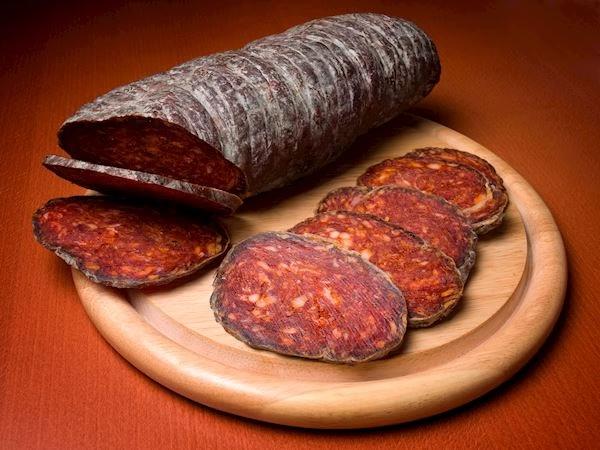
Kobasice simply means sausages and can refer to different preparations, so check whether the menu describes a cooked sausage dish or a cured-meat platter. These foods are regional specialities enjoyed beyond winter too.
10. Čobanac: Paprika-Rich Meat Stew
Čobanac is associated with Slavonia and Baranja, where paprika, meat stews and preserved pork play an important role in regional cooking. It commonly combines several kinds of meat, with the exact mixture varying by recipe.
Choose it for a hearty meal with a different flavour profile from Dalmatian pašticada. Ask about heat if you prefer mild food, since the balance of sweet and hot paprika depends on the cook.
Another regional option is fiš paprikaš, made with freshwater fish. It is useful to recognise the distinction on a menu: čobanac is a meat dish, while fiš points towards the region’s river-fish tradition.
11. Žganci: Cornmeal With Savoury Toppings
In the Zagreb area, žganci commonly refers to a cooked cornmeal dish related to polenta. It can accompany richer food or be served with additions such as cream, butter, bacon or other toppings.
Its appeal is the combination of a simple, filling base and whatever the kitchen serves with it. Check whether the menu lists it as a side dish or a complete plate, especially when comparing it with a main course such as sarma.
Choosing a Region for a Winter Food Trip
Zagreb and Hrvatsko Zagorje for a Short Food Break
Zagreb is a practical starting point for travellers who want to combine sightseeing with several traditional meals. Look for štrukli, sarma and daily cooked lunches, with turkey and mlinci as another regional dish to seek out.
Choose Zagreb for a city-based break with meals close to your sightseeing. Choose Hrvatsko Zagorje when countryside restaurants and a slower regional trip are the main attraction; check the restaurant’s opening days before travelling specifically for lunch.
Istria for Konoba Meals and Winter Stews
Istria suits travellers interested in how seasonal cooking changes the regional menu. Ask about jota and the day’s maneštra rather than limiting every meal to the better-known pasta dishes.
For a trip between smaller inland places, plan restaurant stops alongside your route. Winter opening can be more limited than in summer, so confirm the kitchen is operating before making a special journey.
Dalmatia for Pašticada and Festive Fish Dishes
Dalmatia is the natural regional choice for pašticada, with bakalar adding a particular reason to check festive menus. A larger city such as Split or Zadar can be a practical base for combining heritage sights with meals.
Distinguish a restaurant’s usual menu from a Christmas special. That matters particularly for bakalar, which should not be assumed to appear throughout winter.
Slavonia and Baranja for Paprika, Stews and Cured Meats
Slavonia and Baranja suit travellers who want the meal itself to shape the trip. Look for čobanac, fiš paprikaš and regional cured meats such as kulen or kulin.
Use Osijek as a starting point for Baranja, or look for regional cooking in Vukovar along the Danube.
Finding Traditional Meals and Reading the Menu
A daily menu can be more useful than a long permanent menu when looking for winter cooking. Ask about dnevna ponuda, meaning the daily offering, or gotovo jelo, a prepared dish available that day. In Zagreb and other inland areas, gablec often refers to a daytime meal or lunch offering; in Dalmatia, marenda is a useful related term.
A konoba is a tavern-style restaurant, especially familiar on the coast. Inland, you may also see gostionica. The name alone does not establish what is cooking, so check for regional dishes and daily specials rather than relying on the venue label.
For a budget-conscious meal, compare the daily cooked lunch with the main menu and confirm whether sides are included. A bowl of beans or a cabbage-roll dish may suit the occasion better than ordering several courses, but there is no single price rule across Croatia.
Advent stalls work well for snacks such as fritule and sausages. For a wider introduction to regional food, include a sit-down lunch or dinner too, rather than expecting market stalls to represent the whole winter kitchen.
Vegetarian Options and Ingredients to Check
Cheese štrukli can be a useful vegetarian starting point, while žganci may work with suitable toppings and cooking fat. Bean and vegetable stews need more checking because bacon, smoked meat, lard or meat stock may already be part of the preparation.
For vegan travellers, ask specifically about dairy, eggs and animal fat as well as visible meat. A dish described as bez mesa, or “without meat”, does not answer all of those questions.
Recipes also vary in their use of flour, dairy, eggs, nuts and alcohol. Anyone with an allergy or dietary requirement should explain it directly to the restaurant and ask about the full preparation, rather than treating an English dish description as a complete ingredient list.
Disclosure: This page may contain affiliate links. This means that we get a small commission from any purchase you make, at no additional cost to you!