Kvarner in winter works best when you choose between three different trips: a seaside break on the Opatija Riviera, a slower island stay, or a mountain escape in Gorski Kotar. These places belong to the same northern Adriatic region of Croatia, but their weather, transport and winter services differ considerably.
Opatija offers waterfront walks and hotel wellness facilities, while nearby Rijeka adds museums and city life. Cres and Rab suit travellers who value quiet streets and coastal scenery more than a busy resort atmosphere. Inland, snow can transform the forests, but mountain outings need a separate plan from a walk beside the sea.
Explore This Guide
ToggleQuick Planning Answer
- Best starting point: Opatija for a coastal break, or Rijeka for museums and transport connections.
- Suggested length: Three days for the mainland coast. Allow additional nights for a ferry island or a separate mountain stay.
- Most straightforward island outing: Krk, which has a road bridge to the mainland.
- Car or public transport: The Rijeka–Opatija–Lovran corridor works for a car-free break. A car makes island villages and inland excursions more practical.
- Main winter trade-off: Shorter daylight, variable weather and fewer seasonal services reward a flexible route with an indoor alternative.
The wider Kvarner region stretches beyond one compact sightseeing area. For a short winter visit, concentrate on one part rather than trying to combine the Riviera, several islands and the mountains.
Best Places to Visit in Kvarner in Winter
Opatija and Volosko for Seafront Walks
Opatija is a practical choice for couples seeking a winter weekend by the sea. Its historic hotels, Angiolina Park and Lungomare promenade give a short visit a clear focus without needing a full schedule of excursions.
Start around Angiolina Park and the waterfront, then choose a section of the Lungomare towards Volosko. The promenade connects coastal settlements as far as Lovran, but walking its full length is unnecessary for an enjoyable winter day. A shorter out-and-back walk leaves time for lunch and a museum or wellness visit.
Volosko adds a small fishing harbour and lanes above the waterfront. Combine it with central Opatija instead of treating it as a separate day trip, and confirm restaurant opening days before making a particular meal the centre of your plans.
For time indoors, consider the Croatian Museum of Tourism or a hotel spa. Check the museum’s current exhibitions and opening hours, and confirm whether spa access is included in your room rate or available to outside guests. In strong wind or rough seas, choose an inland alternative to exposed waterfront paths.
Lovran for an Old Town and a Shorter Coastal Outing
Lovran combines a compact old town with access to the same Lungomare promenade. It makes a useful half-day outing from Opatija: explore the streets around St George’s Church, pause by the harbour and walk a coastal section if conditions are suitable.
Lovran is also worth considering for a longer stay when a smaller town appeals more than Opatija’s hotel setting. Check the accommodation’s actual position, as an address above the coast can involve an uphill return from dinner or the seafront.
Rijeka for Museums and a Rainy-Day Alternative
Rijeka gives a coastal winter break more flexibility. Its museums and central cafés provide options when a long promenade walk loses its appeal.
Build a visit around Korzo, the main pedestrian street, and one substantial indoor stop. The City Museum’s Sugar Palace is a useful choice for learning about Rijeka’s history and industrial heritage. Check the opening day before organising the rest of the visit around it.
In clearer weather, add Trsat Castle for a view over the city and bay. Trsat sits above the centre; reaching it involves a climb or an onward journey by road, so it should be a deliberate part of the day rather than an assumed continuation of a flat city walk.
Advent and Carnival can give Rijeka a different atmosphere from an ordinary winter weekday. Consult the current programme when events are the reason for travelling, and expect popular celebrations to be busier than the surrounding season.
Krk for an Island Visit Without a Ferry
Krk’s mainland bridge removes the ferry timetable from an island outing. That makes it a sensible option for travellers staying around Rijeka or Opatija who want an island day without committing to a crossing.
Krk Town is a logical starting point for its old streets, cathedral surroundings and waterfront. With a car and enough daylight, add Vrbnik for its hilltop setting and association with žlahtina wine. Arrange a winery visit in advance rather than assuming tastings will be available on arrival.
Keep the route compact. A winter day spent moving between several beach resorts can leave little time to enjoy any one place, particularly when seasonal cafés and visitor facilities are closed. The bridge simplifies access, but strong wind can still affect road travel.
Cres and Lubenice for a Slower Island Escape
Cres suits travellers who want an island landscape and time in small settlements. For winter accommodation, begin by checking Cres Town, where a harbour-side base makes everyday outings simpler than staying in an isolated village.
Lubenice is a rewarding excursion for its stone lanes and elevated sea views, but it needs realistic expectations. The village occupies an exposed position high above the coast, and its visitor facilities should not be assumed to operate throughout winter. Bring essentials and organise the visit around daylight and the forecast.
The beach below Lubenice, Sveti Ivan, is a separate hiking objective. Its access path is steep and narrow, with an uphill return that needs sufficient daylight and energy. For a relaxed winter outing, enjoy the viewpoint and village without descending to the shore.
Cres is reached by vehicle ferry from Brestova to Porozina or from Valbiska on Krk to Merag. Both routes have year-round schedules, but the crossing is only part of the journey: allow for driving between the island port, your accommodation and Lubenice. An overnight stay gives more room for this than a tightly timed mainland excursion.
Rab for Old Streets and Park Walks
Rab Island offers a different winter focus from its summer beach holidays. Rab Town’s four bell towers, narrow streets and nearby Komrčar Park make a compact setting for walking and photography.
Choose it when a quiet island stay is the purpose of the trip, with accommodation and meals arranged in advance. Historic buildings and bell towers may have limited visitor access, so an outdoor route should remain worthwhile without relying on every interior being open.
For drivers arriving from the mainland, the Stinica–Mišnjak ferry is an established access route. Mišnjak is the arrival port rather than Rab Town itself, so include the onward island journey when planning your arrival and return.
Učka and Gorski Kotar Need a Different Winter Plan
The mountains above and behind Kvarner’s coast can have snow, ice and poor visibility while the waterfront remains suitable for an ordinary walk. Choose an inland excursion for the conditions on the mountain, rather than the weather outside your coastal hotel.
Učka and the Poklon Visitor Centre
Učka Nature Park rises above the Riviera. The Poklon Visitor Centre offers an indoor introduction to the park’s landscapes, wildlife and cultural heritage, making it useful for visitors who want to understand the mountain without committing to a summit hike.
Poklon itself is at altitude, so confirm road conditions as well as the centre’s opening hours. An indoor attraction does not remove the winter considerations involved in reaching it.
The route from Poklon to Vojak is a mountain hike, and winter conditions can change its difficulty substantially. Visitors without suitable experience and equipment should choose a lower-level outing appropriate to current conditions or remain on the coast.
Gorski Kotar and Risnjak
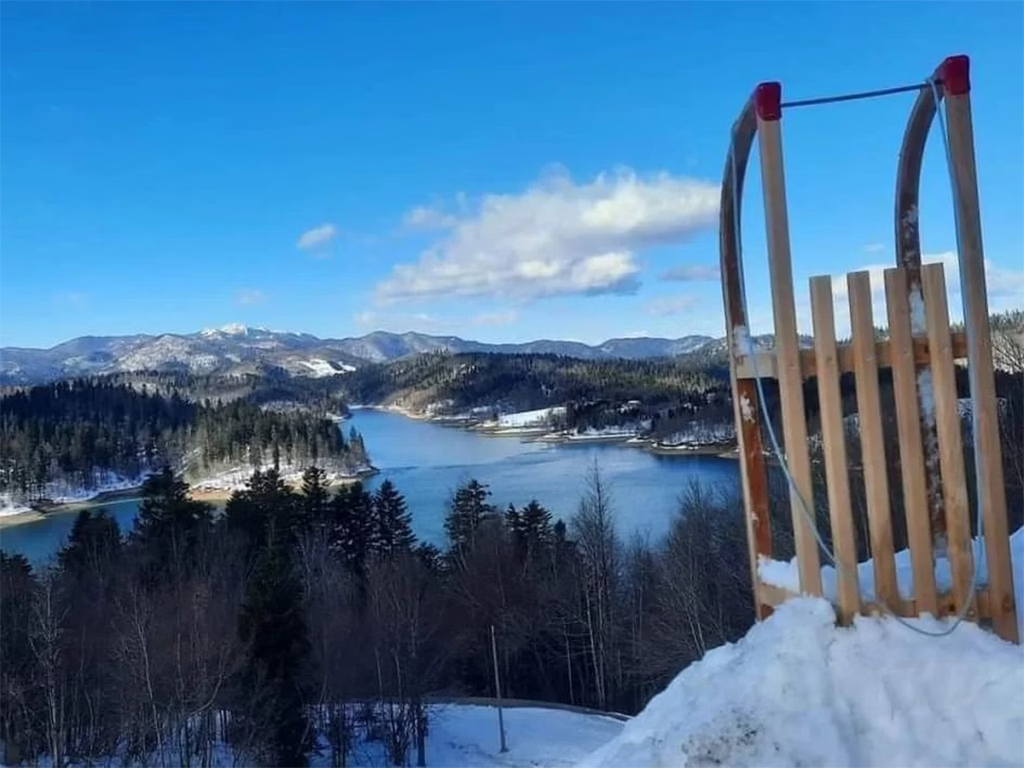
Gorski Kotar is the option for forest scenery and a stay with the possibility of snow. Delnice and Fužine are useful places to consider when choosing accommodation, but snow cover and winter activity operations depend on actual conditions.
For Risnjak National Park, distinguish the Leska educational trail near Crni Lug from routes to the summit. Leska is a circular forest trail with relatively little elevation change; ask the park about its current condition before setting out in winter.
The park describes winter summit routes as suitable for experienced mountaineers with equipment. A casual forest visit and a summit ascent therefore require very different decisions. For a short coastal holiday, an inland day should remain optional rather than the one excursion on which the whole trip depends.
Where to Stay in Kvarner in Winter
Accommodation location matters more when daylight is short and evening dining choices are reduced. Look at the walk to restaurants, parking arrangements and heating as closely as the sea view.
Central Opatija suits a coastal weekend with promenade access and hotel facilities. A hotel with an operating indoor pool or spa can give the stay a useful focus in wet weather; verify the facilities available for your dates before booking.
Central Rijeka suits culture visits and travellers arriving by public transport. Staying near the centre makes museums and meals easier to combine, while drivers should check where they can leave the car and how they will reach the property with luggage.
Lovran suits a smaller coastal base. Compare properties near the old town and seafront with those on the hillside, particularly when walking back in the evening matters.
Cres Town or Rab Town make sensible starting points for a ferry-island stay. Confirm open dining options near the property, reliable heating and arrival arrangements rather than choosing solely for proximity to a summer beach.
Delnice or Fužine suit a trip centred on Gorski Kotar. For a cabin or rural property, ask about road access, parking in snow and the heating system. A mountain overnight is most useful when the inland experience is a main reason for travelling.
Three Days in Kvarner from Opatija or Rijeka
This route keeps one base and leaves room to rearrange outdoor time around the forecast.
Day one: Opatija and Volosko. Explore Angiolina Park and the central waterfront, then walk towards Volosko if conditions allow. Leave the afternoon flexible for the museum, a café or pre-booked wellness time.
Day two: Rijeka. Combine Korzo with the Sugar Palace or another museum. Add Trsat in clearer weather, allowing for the journey above the centre.
Day three: Lovran or an island outing. Without a car, visit Lovran by bus and explore the old town and a short promenade section. With a car and suitable road conditions, choose Krk Town instead. There is no need to fit both into the same day.
For Cres or Rab, extend the trip and devote time to the chosen island. Treating a ferry crossing as a quick extra can turn a relaxed break into a day dominated by connections.
Getting Around and Preparing for Winter Weather
Travelling Without a Car
Local buses link Rijeka, Opatija and Lovran, making this coastal corridor a workable choice for a car-free holiday. Use the current Autotrolej timetable to organise return journeys, especially at weekends and on public holidays.
An island port does not necessarily put you within walking distance of the place you want to visit. Before booking a car-free stay on Cres or Rab, confirm the connection from the arrival port to your accommodation. Lubenice and inland trailheads need additional transport planning.
Driving and Ferry Crossings
A car gives more flexibility for villages and mountain areas, but allow time for weather-related changes. Before a longer drive, consult HAK road reports for wind restrictions, snow, ice and access conditions.
Use Jadrolinija’s current sailing information for the Cres crossings and Rapska plovidba’s information for Stinica–Mišnjak. Check service status as well as departure times, and leave some margin before an onward journey that depends on a ferry return.
Packing and Choosing Activities
Coastal winter days can be pleasant for walking, but rain and cold wind are part of the season. Bring layers, a waterproof outer jacket and shoes with grip for wet paving. Mountain visits need clothing and equipment appropriate to the specific route and conditions.
Use the available daylight for outdoor excursions and keep museums, meals or wellness time for less favourable weather. Winter value comes from choosing a base with useful services, rather than assuming every summer resort will provide the same experience at a lower price.
Disclosure: This page may contain affiliate links. This means that we get a small commission from any purchase you make, at no additional cost to you!