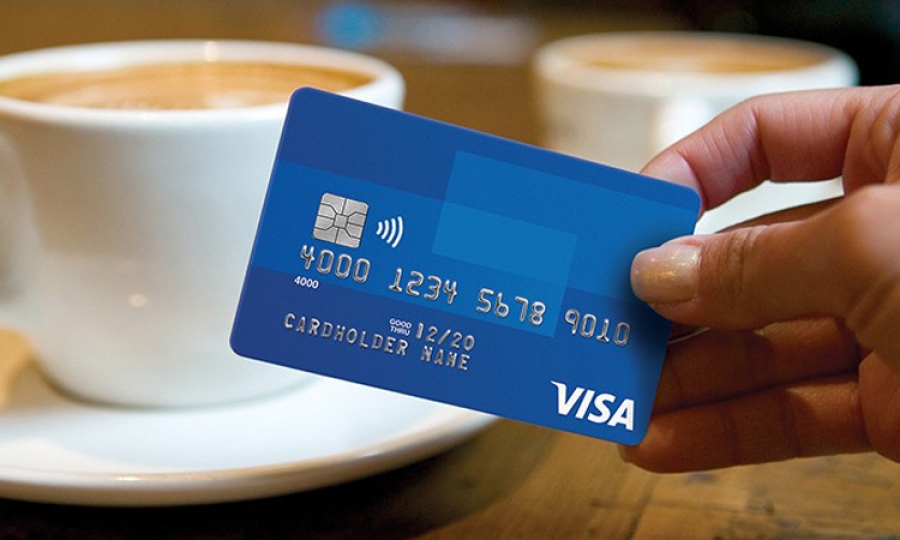
Credit and debit cards are widely accepted in Croatia, especially in hotels, restaurants, supermarkets, petrol stations and popular tourist destinations. Contactless payments are common, and many terminals also support mobile wallets.
However, carrying a small amount of euro cash is still sensible. Smaller cafés, market stalls, local services and businesses in remote areas may not accept cards.
Explore This Guide
ToggleQuick Answer: Can You Pay by Card in Croatia?
Visa and Mastercard are widely accepted across Croatia. Travellers can normally pay by card at hotels, larger restaurants, supermarkets, petrol stations and many tourist attractions.
Cash remains useful for markets, small cafés, parking, tips and purchases in villages or on smaller islands. When a terminal or ATM offers a currency choice, select euros rather than your home currency to avoid potentially unfavourable dynamic currency conversion.
What Currency Is Used in Croatia?
Croatia has used the euro (€) as its official currency since 1 January 2023. Croatian kuna are no longer accepted as payment in shops, restaurants or other businesses.
Travellers arriving from another euro-area country can pay without converting money into another currency. Visitors whose bank accounts are held in pounds, dollars, Swiss francs or another non-euro currency should check their bank’s foreign transaction and currency conversion fees before travelling.
More information is available in our guide to Croatia’s entry into the Eurozone and Schengen Area.
Where Are Cards Accepted in Croatia?
Card payments are available in most cities, coastal resorts and frequently visited tourist destinations. Acceptance is usually best at larger and more established businesses.
Cards are commonly accepted at:
- Hotels and larger accommodation properties
- Supermarkets and shopping centres
- Petrol stations
- Larger restaurants, cafés and bars
- Car rental offices
- Pharmacies
- Established tour and activity providers
- Many museums and visitor attractions
- Ferry company ticket offices and online booking platforms
Visa and Mastercard are the most widely accepted cards. American Express, Diners Club and other card types may be accepted by some businesses, but travellers should not rely on them as their only payment method.
Card acceptance does not necessarily mean that every card will work at every terminal. It is sensible to travel with a second card and keep it separate from the card used for daily purchases.
Where Might You Need Cash?
Although Croatia has a well-developed card payment network, it is not completely cashless. Smaller or seasonal businesses may accept cash only, particularly outside the main tourist centres.
Cash can be useful for:
- Market stalls and small souvenir stands
- Small cafés, bakeries and takeaway counters
- Local produce sold directly by farmers
- Some private accommodation providers
- Small boat transfers or locally arranged excursions
- Parking machines that do not support card payments
- Public toilets
- Tips and small purchases
- Remote villages and smaller islands
Always check the payment method before ordering food or agreeing to a service. A small sign near the entrance or counter may state “cash only”.
There is no need to carry a large amount of money. A modest supply of euro notes and coins should be enough for occasions when a card is not accepted or a payment terminal is temporarily unavailable.
Contactless Payments and Mobile Wallets
Contactless payments are widely available in Croatia. Most modern terminals accept contactless debit and credit cards, particularly in supermarkets, hotels, petrol stations and larger restaurants.
Apple Pay, Google Pay and other mobile wallets can also be used wherever the terminal supports the connected card network.
A terminal may occasionally ask for a PIN even when the purchase amount is relatively small. This can happen because of the amount, the card issuer’s security rules or several consecutive contactless payments. Travellers should therefore know their PIN and carry the physical card connected to their mobile wallet.
Mobile payments should not be the only available option. A discharged phone, connection problem or incompatible terminal could otherwise leave the traveller without a way to pay.
Using ATMs in Croatia
ATMs are known locally as bankomati and are widely available in cities, towns, resorts and larger villages. Availability can be more limited in remote areas and on smaller islands.
Where possible, use an ATM operated by an established bank. Before confirming a withdrawal, carefully check:
- The ATM operator’s withdrawal fee
- Any fee charged by your own bank
- The currency displayed on the screen
- The proposed exchange rate
- Your daily withdrawal limit
The ATM should show its own access fee before the transaction is completed. If the fee is too high, cancel the transaction and try another ATM.
Your home bank may charge an additional withdrawal or foreign transaction fee. This charge might not be displayed on the Croatian ATM screen, so check your card conditions before travelling.
If your bank charges a fixed fee for every withdrawal, making fewer withdrawals may be less expensive than repeatedly withdrawing small amounts. Do not withdraw more cash than you can store safely.
Always Choose Euros at an ATM
Travellers using a card linked to a non-euro account may be asked whether they want the withdrawal converted into their home currency.
Choose the option that completes the withdrawal in euros and decline conversion by the ATM operator. Wording varies between machines, so look for options such as:
- Continue without conversion
- Decline conversion
- Charge in EUR
- Use my bank’s exchange rate
Selecting pounds, dollars or another home currency activates dynamic currency conversion. The ATM operator then sets the exchange rate, which may be less favourable than the rate used by the card issuer.
Choosing euros does not guarantee that the transaction will be free. Your bank may still charge a withdrawal or currency conversion fee, but you avoid accepting the ATM operator’s conversion rate.
Paying in Euros or Your Home Currency
Dynamic currency conversion can also appear when paying in a shop, hotel or restaurant. The terminal may offer a choice between the amount in euros and a converted amount in your home currency.
Select euros.
For example, if the bill is €100, choose to pay €100 rather than accepting a converted amount shown in pounds, dollars or another currency. Your card issuer will then handle any necessary conversion according to its own exchange rate and fee policy.
Businesses and payment terminals should allow the cardholder to make this choice. Check the amount and currency before entering your PIN or approving a contactless payment.
Travellers with cards issued in euro-area countries normally do not require currency conversion because Croatia also uses the euro.
Credit Card or Debit Card?
A standard Visa or Mastercard debit card is usually sufficient for everyday purchases and ATM withdrawals in Croatia. However, a credit card may be needed for reservations involving a deposit or pre-authorisation.
This is particularly relevant for:
- Car rental deposits
- Hotel security deposits
- Boat and equipment rental
- Higher-value reservations
Some car rental companies accept a debit card for the rental payment but require a credit card in the main driver’s name for the security deposit. Prepaid and virtual cards may also be rejected for deposits.
Read the provider’s payment conditions before booking. Check the required card type, the name that must appear on the card, the available credit limit and the amount that may be temporarily blocked.
A hotel may also place a temporary pre-authorisation on the card. This is not necessarily a completed charge, but the reserved amount can reduce the funds or credit available during the trip.
Card Fees to Check Before Travelling
The Croatian business accepting the card will not normally know which fees your own bank may apply. Review the card conditions or banking app before departure.
Possible costs include:
- Foreign transaction fees
- Currency conversion fees
- ATM withdrawal fees
- ATM operator charges
- Credit card cash advance fees
- Interest on credit card cash withdrawals
Travellers from the euro area should still check ATM charges, even when no currency conversion is required. A euro account does not automatically make every cash withdrawal free.
Avoid using a credit card to withdraw cash unless you understand the costs. Some card issuers treat ATM withdrawals as cash advances and charge interest immediately.
Card Safety and Failed Payments
Card payments in Croatia are generally straightforward, but occasional declined transactions can happen. This may be caused by a security check, an incorrect PIN, a spending limit or a temporary connection problem.
Before travelling:
- Check that international payments and ATM withdrawals are enabled
- Confirm whether your bank requires a travel notice
- Review daily payment and withdrawal limits
- Save the card issuer’s emergency contact details
- Enable transaction notifications
- Take a second payment card
- Keep some emergency cash separately
If a contactless payment fails, insert the card into the terminal and enter the PIN. If the card continues to be declined, use another payment method and contact the card issuer.
Never accept help from a stranger at an ATM. Cover the keypad when entering your PIN and inspect the card slot if anything looks unusual. If an ATM retains your card, contact the bank or ATM operator using an official telephone number.
If a card is lost or stolen, freeze or block it immediately through the banking app or the card issuer’s emergency service.
Tipping by Card
Tipping is appreciated for good service but is not generally mandatory. Some payment terminals allow a tip to be added, while others process only the amount shown on the bill.
If you want to leave a tip, ask whether it can be included in the card payment. Keeping a few small euro notes and coins is useful when the terminal does not support this option.
Practical Payment Checklist
Before travelling to Croatia:
- Bring a Visa or Mastercard
- Consider carrying both a debit and a credit card
- Check ATM and foreign transaction fees
- Know your PIN
- Check the card requirements for car rental
- Carry a small amount of euro cash
- Select EUR when paying or withdrawing money
- Decline dynamic currency conversion
- Keep a backup card in a separate place
- Enable payment notifications in your banking app
Frequently Asked Questions
Are credit and debit cards widely accepted in Croatia?
Yes. Visa and Mastercard are widely accepted in hotels, supermarkets, petrol stations, larger restaurants and tourist areas. Smaller businesses, markets and services in remote locations may still accept cash only.
Do I need cash in Croatia?
It is advisable to carry a small amount of euro cash. It may be needed for market stalls, small cafés, tips, parking, public toilets and purchases in rural or island locations.
Is Visa or Mastercard better for Croatia?
Both Visa and Mastercard are widely accepted. Other networks may have more limited acceptance, so Visa or Mastercard is the safer primary option.
Should I pay in euros or my home currency?
Choose euros when a terminal or ATM offers a currency choice. Paying in your home currency may activate dynamic currency conversion and result in a less favourable exchange rate.
Do ATMs in Croatia charge fees?
Some do. An ATM operator may charge its own access fee, while your bank may separately charge for cash withdrawals or foreign transactions. Review all displayed charges before confirming the withdrawal.
Can I use Apple Pay and Google Pay in Croatia?
Apple Pay, Google Pay and similar mobile wallets can be used at many contactless terminals. Carry the physical card and a backup payment method in case mobile payment is unavailable.
Is a debit card enough for car rental in Croatia?
Not always. Some car rental companies require a credit card in the main driver’s name for the security deposit, even if the rental itself was paid with a debit card. Check the exact card requirements before booking.
Final Thoughts
Paying by card in Croatia is convenient in most cities, resorts and tourist areas. Visa and Mastercard provide the broadest acceptance, while contactless cards and mobile wallets work at many modern terminals.
Travellers should still carry a small amount of euro cash, particularly when visiting markets, villages, smaller islands or independent businesses. When using a non-euro card, always check the displayed currency and select euros to avoid potentially unfavourable conversion at a payment terminal or ATM.