
Croatia Regions: Coast, Islands and Inland
Compare Dalmatia, Istria, Kvarner and Croatia’s inland regions to find the right fit for beaches, islands, culture, nature, food and road trips. Start with the overview, then open the regional guide for practical bases and places to visit.
QUICK PLANNING ANSWER
Choose Dalmatia for historic coastal cities and island routes, Istria for compact food-and-wine road trips, and Kvarner for Riviera towns, islands and mountains. For nature and slower inland travel, compare Lika and Karlovac, Zagreb and Central Croatia, and Slavonia.
Start with the Shape of Your Trip
Croatia’s regions become easier to compare when you first decide whether the coast, islands or inland landscapes matter most. These three starting points will quickly narrow the choice.
Adriatic Coast
Choose Istria for compact road trips combining seaside towns, food and hill-country villages. Choose Kvarner for Riviera towns, islands and mountain scenery in one region. Choose Dalmatia for historic coastal cities, island routes and a wider choice of multi-stop itineraries.
Croatian Islands
Croatia’s islands belong to several coastal regions. Kvarner includes Krk, Cres, Lošinj and Rab, while the Dalmatian coast provides access to islands such as Pag, Dugi Otok, Brač, Hvar, Vis, Korčula and Mljet. Choose the region and practical base before building the island part of the route.
Inland, Northern and Eastern Croatia
Choose Lika and Karlovac for national parks, rivers and forested landscapes. Zagreb and Central Croatia combine city culture, castles, spas and countryside. Slavonia suits wine, wetlands, traditional food and slower journeys away from the Adriatic.
Croatia Regions at a Glance
Croatia’s travel regions are easier to compare by character than by administrative boundaries. Start with the six broad areas below. If Dalmatia fits your plans, continue to the county comparison to choose the right part of the coast.
Istria
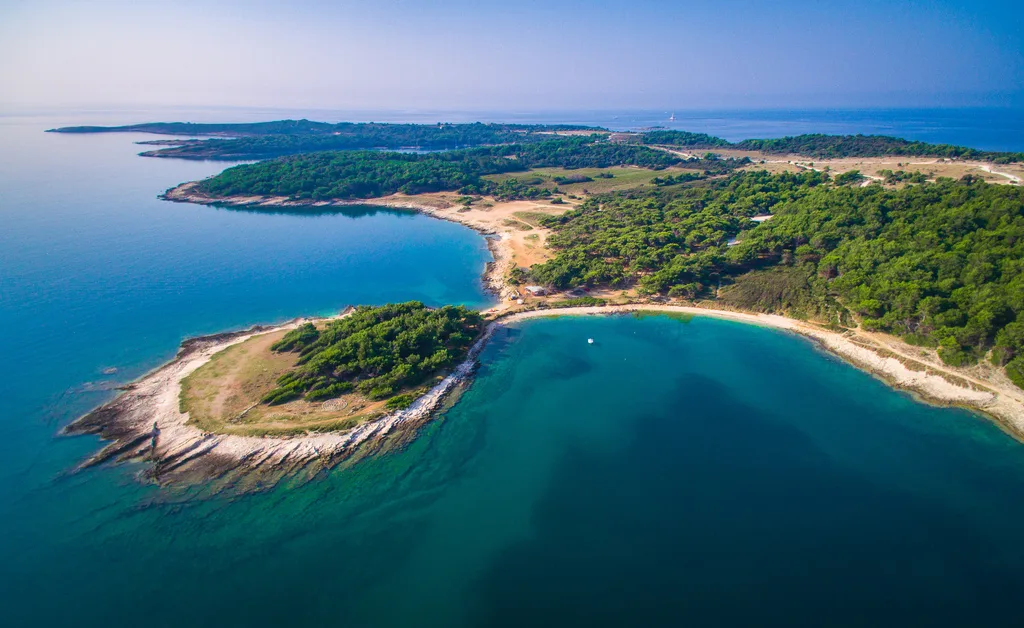
Istria is a compact peninsula where Roman heritage, Venetian-influenced coastal towns, beaches and green hill towns are easy to combine. Choose it when you want varied day trips from one or two bases, strong food and wine experiences, and a gentler pace than a long multi-stop coastal route.
Best for: food and wine, couples, families, culture and road trips
Main bases: Rovinj, Pula and Poreč
Key places: Motovun, Grožnjan, Cape Kamenjak and Brijuni National Park
Kvarner
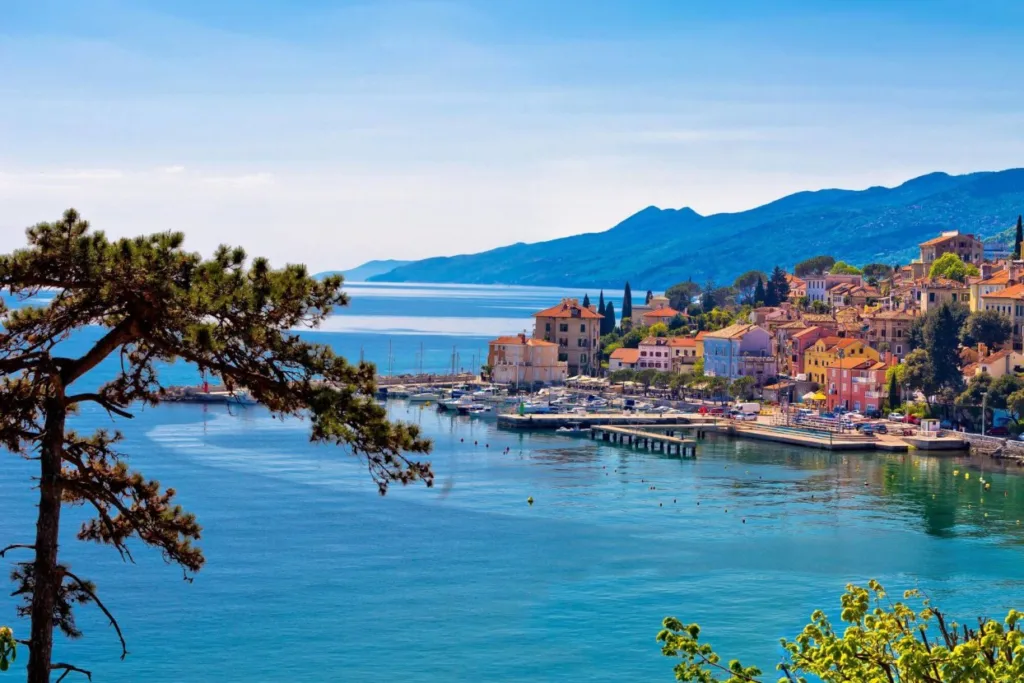
Kvarner works well when you want an island holiday without giving up Riviera towns or mountain scenery. Opatija and Rijeka anchor the mainland, while several large islands offer different styles of stay.
Best for: islands, wellness, families, hiking and scenic drives
Main bases: Opatija, Rijeka, Krk, Cres, Lošinj and Rab
Key places: Gorski Kotar and Risnjak National Park
Dalmatia
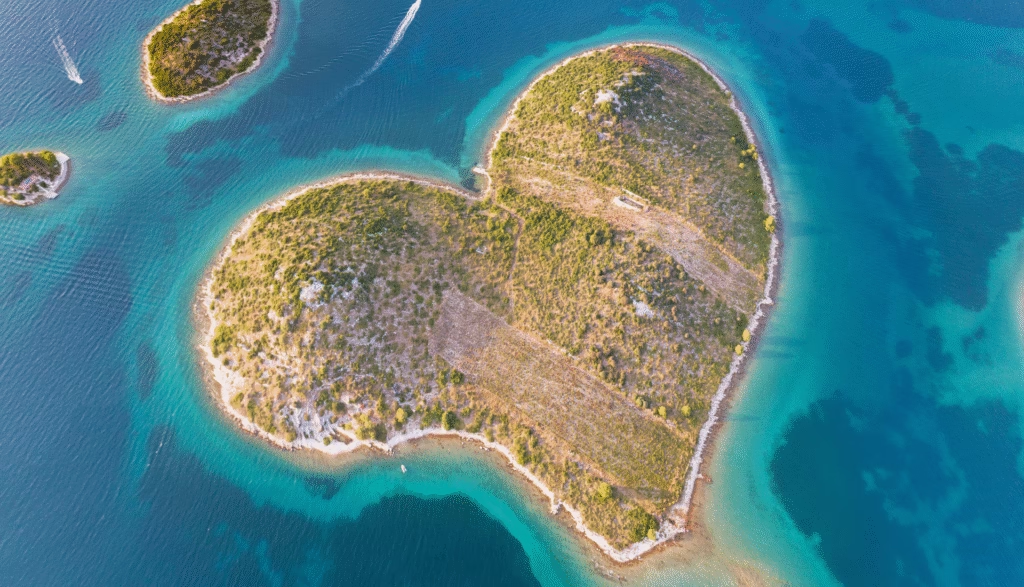
Dalmatia is a long coastal region combining historic cities, islands, beaches and national parks. Because it stretches across four counties, it is better treated as a choice between the Zadar, Šibenik, Split and Dubrovnik areas than as one single base.
Best for: first visits, islands, beaches, historic cities and boat trips
Main bases: Zadar, Šibenik, Split and Dubrovnik
Next step: compare the four Dalmatian counties below.
Lika and Karlovac
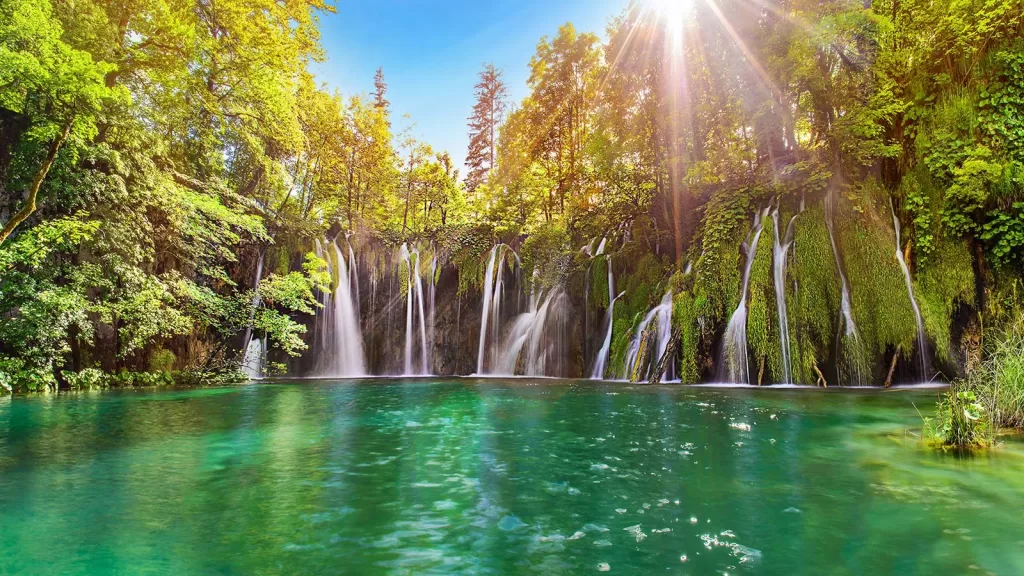
Lika and Karlovac suit travellers who want freshwater landscapes, forests and active days away from the coast. Plitvice Lakes National Park, Rastoke, the Mrežnica and Korana rivers, and Velebit scenery give the region a strong nature focus.
Best for: national parks, rivers, hiking, families and road trips
Main bases: the Plitvice Lakes area, Karlovac, Slunj and Rastoke
Why choose it: a quieter inland stay or a practical part of a route between Zagreb and the Adriatic.
Zagreb and Central Croatia
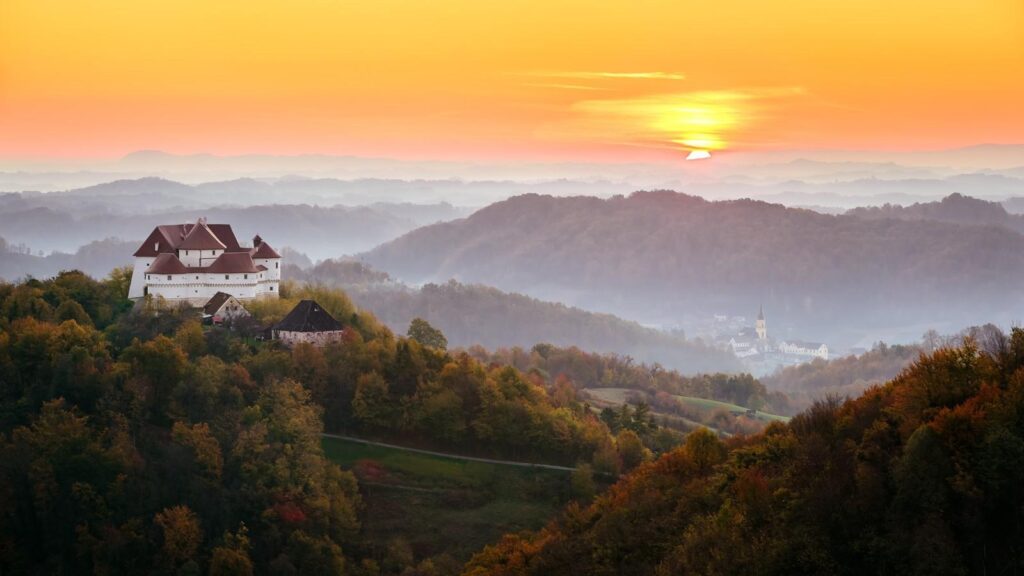
Zagreb and Central Croatia suit city breaks and inland journeys built around museums, cafés, baroque towns, castles, thermal spas and green countryside. Zagreb is the main practical base, while smaller towns and rural areas add variety.
Best for: city breaks, culture, short stays, castles, spas and food
Main bases: Zagreb, Varaždin, Samobor and Zagorje
Key places: Trakošćan and Međimurje
Slavonia
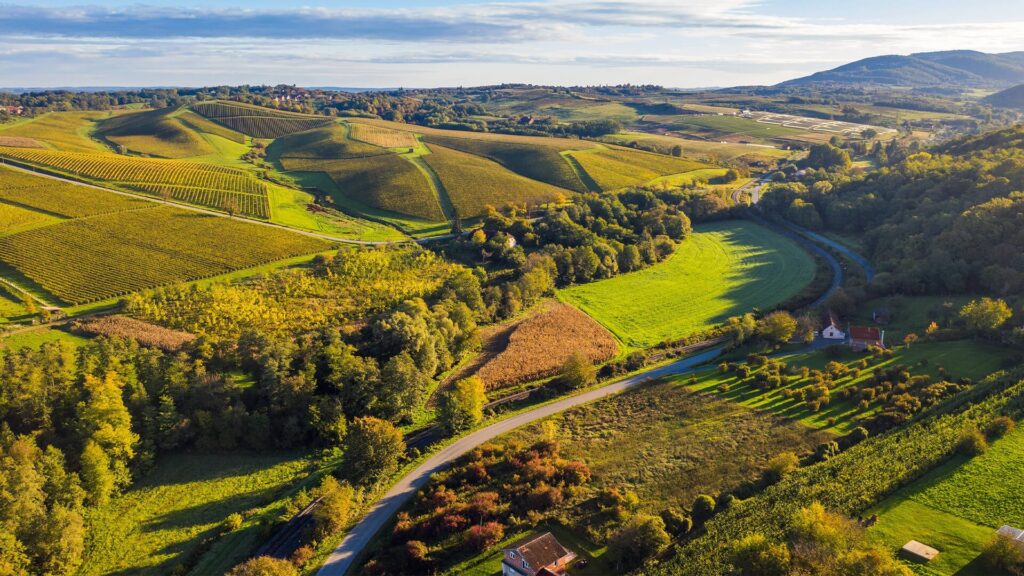
Slavonia offers river landscapes, wetlands, wine roads, traditional food and historic towns with a very different rhythm from the Adriatic. Osijek is the strongest city base, while other towns add culture, wine and local history.
Best for: slow travel, food, wine, wetlands and culture
Main bases: Osijek, Ilok and Vukovar
Key places: Đakovo, Kopački Rit and the Danube wine region
Choose a Croatia Region by Travel Style
Different regions can suit the same type of holiday, but for different reasons. Use these comparisons to narrow the choice before opening the detailed regional guides.
First Visit to Croatia
Start with one Dalmatian county for the clearest combination of a historic coastal city, beaches, islands and day trips. Istria and Kvarner are strong alternatives when a more compact regional route suits the trip better.
Coast and Beaches
Choose Dalmatia for the broadest range of coastal cities and island combinations, Istria for compact town-and-beach road trips, or Kvarner for Riviera towns and island stays with mountain scenery nearby.
Islands
Choose Dalmatia for a wide variety of ferry-based island routes. Choose Kvarner for Krk, Cres, Lošinj and Rab. Compare the mainland gateway, ferry route and intended island base before confirming the itinerary.
Historic Cities and Culture
Choose Dalmatia for old coastal cities and UNESCO-listed heritage, Istria for Roman and Venetian history, or Zagreb and Central Croatia for museums, baroque towns, castles and inland culture.
Nature and Active Travel
Choose Lika and Karlovac for Plitvice Lakes, rivers and forests. Kvarner adds Risnjak and Gorski Kotar, while the Dalmatian counties provide access to landscapes including Paklenica, Krka, Kornati and Mljet.
Food and Wine
Choose Istria for truffles, olive oil and wine routes, Slavonia for traditional food and eastern wine areas, Central Croatia for wine hills and countryside, or Dubrovnik-Neretva County for Pelješac and the southern coast.
Family Holidays
Istria, Kvarner, Zadar County and Šibenik-Knin County are practical starting points for combining beaches, towns and manageable day trips. Compare the exact base, access to planned places and accommodation type before booking.
Couples
Istria suits food-led road trips and atmospheric coastal towns. Kvarner combines elegant Riviera stays with islands, while the Split and Dubrovnik areas offer historic cities, island combinations and sea views.
Road Trips
Istria works well for compact circuits. Kvarner and Lika combine coast and mountains, while Central Croatia and Slavonia suit inland journeys through smaller towns, countryside and wine areas.
Short Breaks
Choose one strong base rather than trying to cover a whole region. Zagreb, Rovinj, Pula, Opatija, Rijeka, Zadar, Šibenik, Split and Dubrovnik can each support a focused break with selected nearby trips.
Quieter Countryside and Slow Travel
Look towards Slavonia, Lika and Karlovac, Central Croatia or inland Istria. These areas suit travellers who prefer nature, villages, wine country and a slower route over a beach-led itinerary.
Explore Dalmatia by County
Dalmatia is too varied to choose as one single base. Compare its four counties by the kind of coast, islands, historic cities and nature you want, then open the county guide for detailed planning.
Zadar County
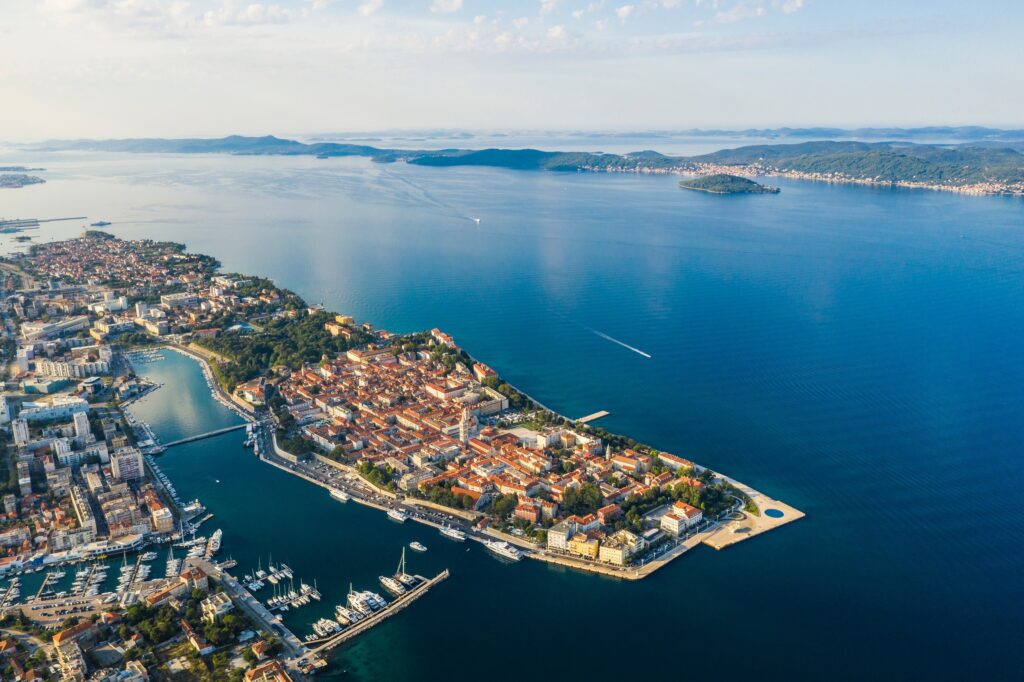
Zadar County combines a historic Adriatic city with coastal bases, islands and access to rugged national-park landscapes. Zadar is the main sightseeing and transport base, while the wider county supports beach, island and outdoor-focused routes.
Best for: families, islands, nature, beaches and balanced road trips
Main bases: Zadar, Nin, Zaton, Starigrad-Paklenica and selected islands
Key places: Pag, Dugi Otok, Pašman, Ugljan, Telašćica and Paklenica
Šibenik-Knin County
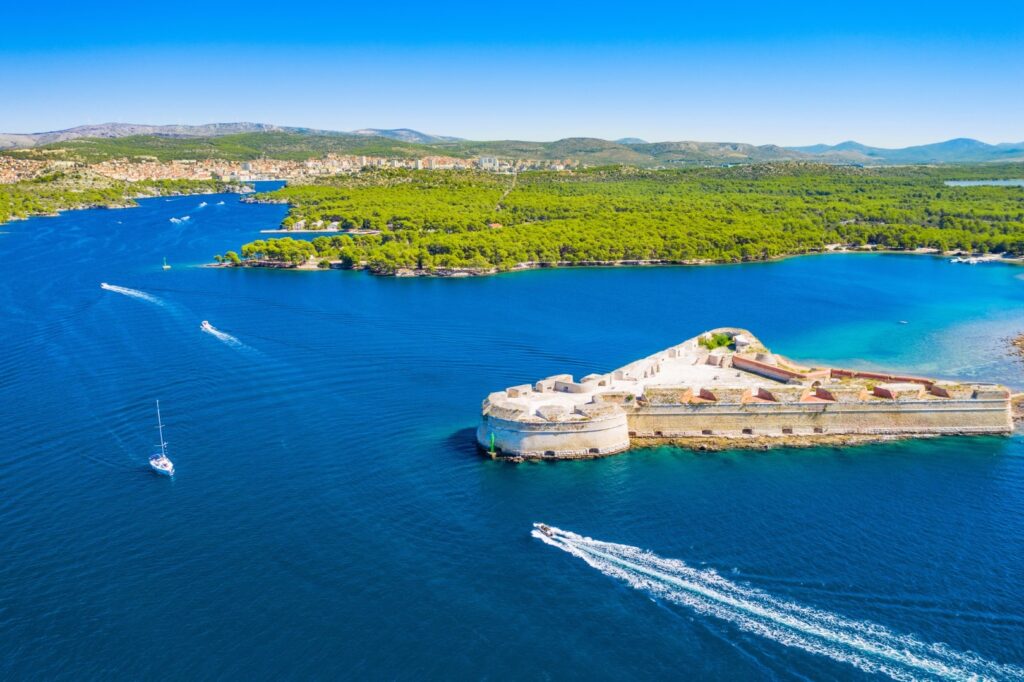
Šibenik-Knin County offers a compact combination of a historic coastal city, waterfalls, fortresses and boat trips. Use Šibenik as a culture-focused base, or consider smaller seaside towns and islands for a different pace.
Best for: nature, boat trips, beaches, culture and marinas
Main bases: Šibenik, Primošten, Rogoznica and Murter
Key places: Krka National Park and Kornati National Park
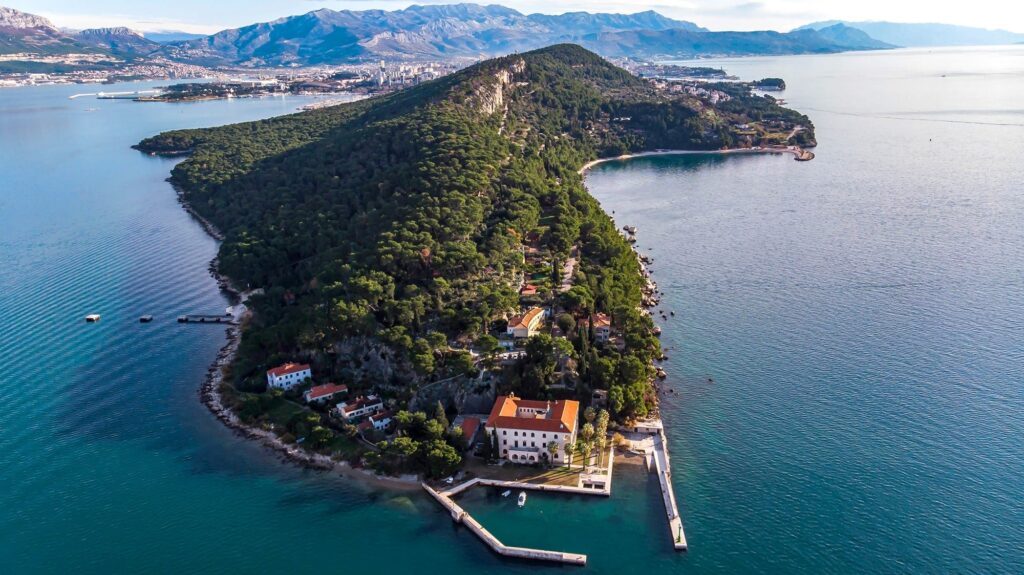
Split-Dalmatia County
Split-Dalmatia County suits travellers who want a major historic city, ferry connections, lively coastal towns and different island atmospheres. Split and Trogir are practical mainland bases, while the coast and islands support very different holidays.
Best for: first visits, beaches, islands, ferries, couples and nightlife
Main bases: Split, Trogir, the Makarska Riviera, Brač, Hvar and Vis
Key place: Šolta
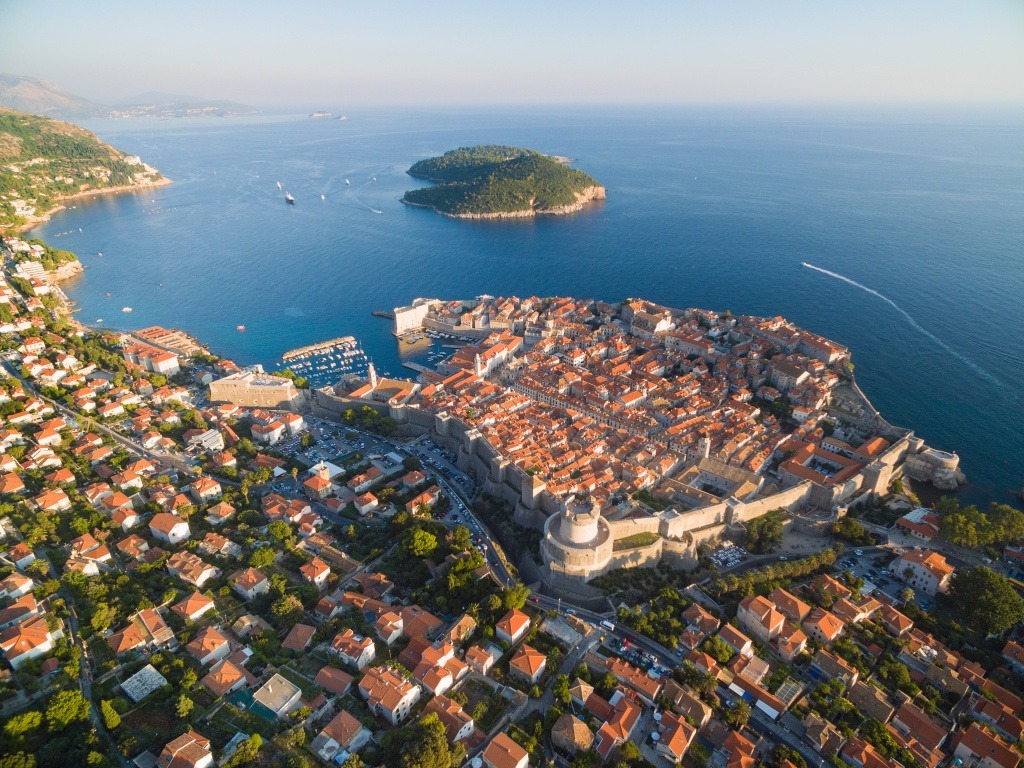
Dubrovnik-Neretva County
Dubrovnik-Neretva County combines Dubrovnik with islands, wine country, coastal villages and the Neretva valley. The region suits travellers who want heritage, dramatic southern scenery and a slower journey through the coast and islands.
Best for: heritage, couples, islands, wine and slower coastal travel
Main bases: Dubrovnik, Korčula, Mljet and Pelješac
Key places: Elaphiti Islands and the Neretva valley
See Croatia on the Map
Use the map to understand the broad relationship between the Adriatic coast, the islands and inland Croatia before choosing a regional guide.
From Region to Practical Base
Once you have chosen a region, select a base that fits the places you want to visit. A historic city works well for sightseeing and organised excursions, an island or seaside town suits a beach-led stay, and an inland base is often better when nature, wine or road trips are the priority.
1. Open the Regional Guide
Compare the main cities, islands, parks and smaller towns within the region.
2. Choose a Practical Base
Select a base that fits the route and the experiences that matter most.
3. Compare Stays and Activities
Check accommodation and practical planning only after narrowing the destination.
FAQ About Croatia Regions
Use these quick comparisons to resolve the most common regional choices before opening the detailed guides.
Which region of Croatia is best for first-time visitors?
Dalmatia is a common first choice because it combines historic coastal cities, islands, beaches and national parks. Do not try to cover the whole region in one short trip; choose between the Zadar, Šibenik, Split and Dubrovnik areas. Istria or Kvarner may suit travellers who prefer a more compact regional route.
Is Istria or Dalmatia better?
Choose Istria for food, wine, hill towns, Roman heritage and compact road trips. Choose Dalmatia for larger coastal cities, island routes, national parks and a more varied multi-stop Adriatic itinerary.
Should I choose Kvarner or Dalmatia?
Choose Kvarner for a flexible mix of Riviera towns, northern Adriatic islands and mountain scenery. Choose Dalmatia for well-known historic cities, a wider selection of island routes and a longer coast-first journey.
Which Croatia region is best for beaches and islands?
Dalmatia offers the broadest choice of coastal and island combinations. Kvarner is strong for Krk, Cres, Lošinj and Rab, while Istria suits travellers who want beaches combined with compact road trips, food and historic towns.
Which region is best for nature and national parks?
Lika and Karlovac are the strongest starting point for Plitvice Lakes, rivers and inland nature. Dalmatia provides access to parks including Paklenica, Krka, Kornati and Mljet, while Kvarner combines the coast with Risnjak and Gorski Kotar.
Which Croatia region is easiest without a car?
A city-based stay is usually more practical than choosing an entire region. Split, Zadar, Šibenik, Dubrovnik, Zagreb and Rijeka can support trips based on walking, buses, ferries or organised excursions. Check current transport and ferry schedules before confirming the route.
Which parts of Croatia suit a quieter trip?
Slavonia, Lika and Karlovac, Central Croatia and inland Istria are good starting points for travellers seeking smaller towns, countryside and nature. Crowd levels still depend on the exact destination and time of year.