Croatia’s carnival season is one of the country’s best-kept winter secrets. It is loud. It is funny. And in some places, it is deeply traditional.
Locals call it poklade or fašnik. You will also hear maškare, meaning masked carnival groups. In simple terms, carnival season is a stretch of winter celebrations. It builds through January. It peaks in February. Then it ends just before Lent.
If you want Croatia without summer crowds, this is your moment. Hotels and roads are calmer. Cities feel local. And the calendar is full of parades, costumes, and food.
This guide shows you where to go, what to see, and how to plan. It focuses on the best-known events. It also highlights UNESCO-recognized traditions.
At a glance
Best for scale: Rijeka Carnival and the Rijeka Carnival Parade
Best tradition: Zvončari bell ringers near Kastav
Easiest quick trip: Samobor Fašnik from Zagreb
Best February culture: Dubrovnik and Saint Blaise Day on February 3
Most unique story: Lastovo Poklad on Lastovo Island
Explore This Guide
ToggleWhat is carnival season in Croatia
Carnival season in Croatia is a winter festival period. It is tied to the pre-Lent calendar. Dates change each year. That is normal.
In many parts of Croatia, events begin soon after Epiphany. That is January 6. They build through January.
In Rijeka and the wider Kvarner area, the season traditionally begins on January 17. That is the feast day of St. Anthony the Great. The carnival flag is raised. An effigy is often put “on trial.”
Across the country, the biggest weekends usually land in late January and February. You will see children’s parades. You will see big city processions. And you will see older customs that feel ritual.
What to expect:
masks and costumes in streets and squares
music and drumlines
satire, jokes, and “carnival politics” in some towns
sweet seasonal pastries and winter comfort food
evening events that can run late
When is carnival in Croatia
If you are searching when is carnival in Croatia, here is the best answer.
Carnival season usually runs from January into February. Sometimes it continues into early March. It ends right before Lent.
Because Easter moves, carnival dates move too. That is why you should always check the official program for your destination. Do it in December or early January. That is when most schedules start to publish.
Simple planning rule:
January is for the build-up and smaller events
February is for big parades and peak energy
Shrove Tuesday is often the grand finale
If you want the most action, book a February weekend. If you want the calm version, go in late January.
Why Croatia’s carnival season is worth it
Croatia in winter can be beautiful. The sea looks dramatic. The old towns feel cinematic. And prices are often better than summer.
Carnival adds a clear reason to travel. It turns winter weekends into a real trip.
You also get variety. Croatia is not only one carnival style.
Some places feel like a big street festival. Others feel like heritage theatre. A few feel ancient.
That mix is what makes the Croatian carnival special.
Rijeka Carnival: the headline event
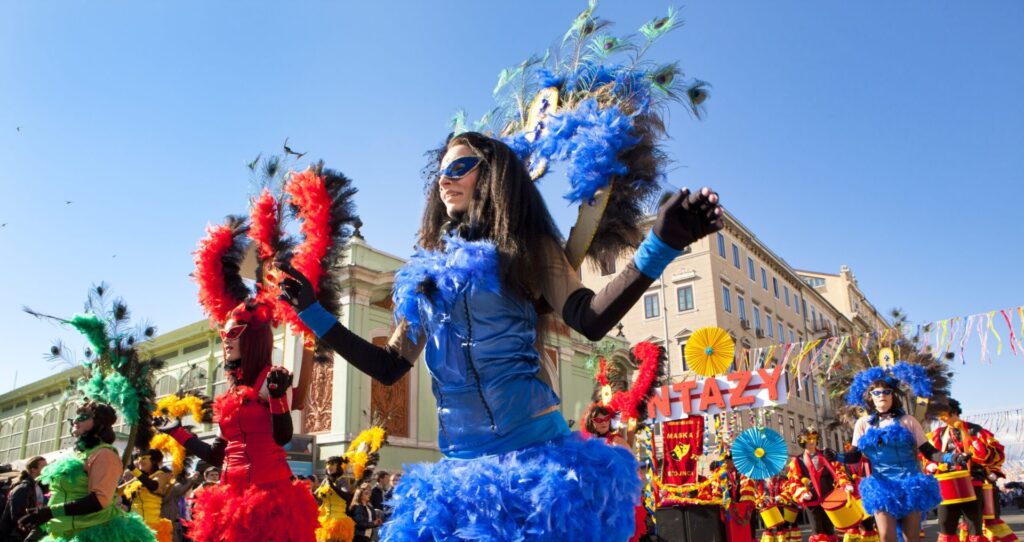
If you want the biggest carnival in Croatia, start in Rijeka. This is the country’s most famous carnival scene. The city often calls it the fifth season.
Rijeka’s carnival atmosphere builds for weeks. You will find masked groups in bars. You will see pop-up events. And you will feel a fun, chaotic mood.
Rijeka Carnival Parade and the main highlights
The program changes every year. But the structure is consistent.
What usually happens:
a season opening in January
a children’s parade day
the big international parade weekend
smaller neighborhood events in between
The main parade is the big draw. It brings huge crowds. It also attracts groups from abroad.
Is Rijeka Carnival worth visiting
Yes, especially if you like energy. Rijeka is loud and busy during peak weekends. The parade atmosphere is dramatic. Costumes can be impressive.
Rijeka is also a strong base. You can combine the city with Kvarner day trips. That means you get both carnival and coast.
Rijeka carnival itinerary in 1–3 days
One day (fast trip):
arrive late morning
explore Korzo and the main square area
find a carnival event or street performance
eat early, then head into the evening crowd
Two days (best for most tourists):
day 1: old city walk + museum stop + evening atmosphere
day 2: parade day or family carnival program + late lunch
Three days (best if you want Kvarner too):
add a day trip to the Kastav area
or go to Opatija for a coastal break
return for a final Rijeka night
Tip: Book accommodation early for parade weekends. Rijeka fills up. So do nearby towns.

Zvončari bell ringers: Croatia’s wildest carnival tradition
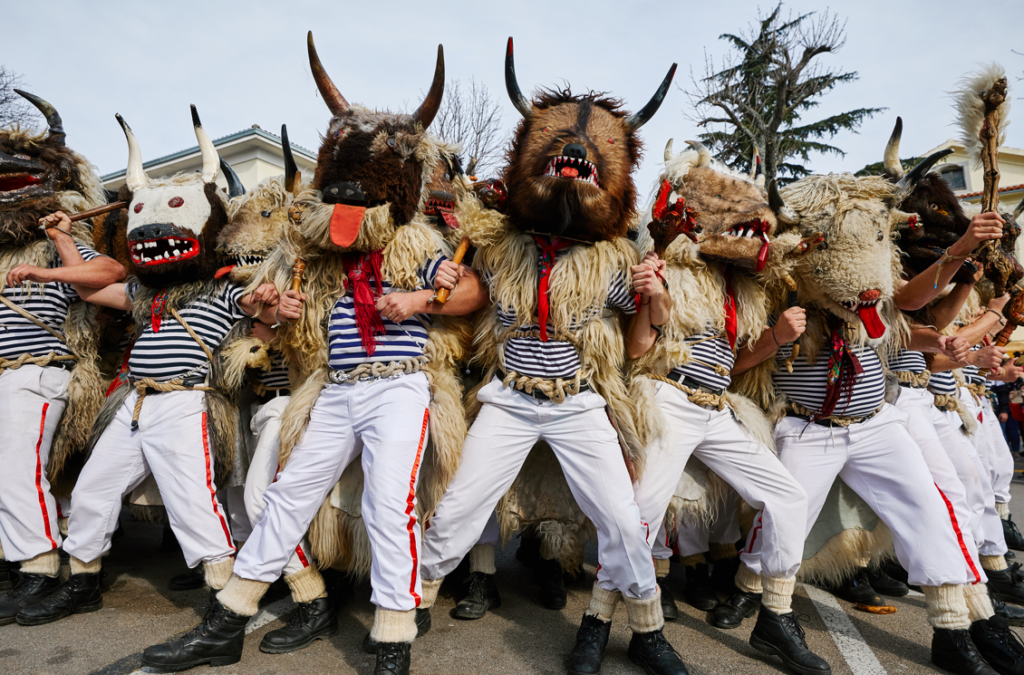
If you want something unforgettable, go beyond the city center. The zvončari bell ringers are one of Croatia’s most iconic carnival customs. They come from the Kastav area in Kvarner.
Groups dress in traditional outfits. They wear large bells. They move in lines. They make a deep, rhythmic sound. This tradition is listed by UNESCO as intangible heritage.
This is not a simple costume party. It feels like a living ritual.
Where to see zvončari in Croatia
The strongest area is around Kastav. That is near Rijeka and Opatija. It is an easy add-on to a Rijeka trip.
You can plan a day around:
a village event
a bell-ringers procession
a simple lunch stop in the region
Why this experience stands out
This is one of the best reasons to travel in winter. It is cultural. It is visual. And it is deeply local.
If you like photography, you will love it. Bring layers. And expect to stand outside for a while.
Kvarner carnival beyond Rijeka
Kvarner is one of the best regions for winter events. You can base in Rijeka. Then you can explore nearby towns.
Crikvenica carnival
Crikvenica has a long carnival tradition. It is a classic stop for families. It is also easy to reach from Rijeka.
parades
music events
costume fun for kids
a coastal walk between events
If you want a calmer vibe than Rijeka, this is a smart choice.
Opatija and the Riviera feel
Opatija often feels elegant, even in winter. It is known for seaside promenades. Carnival season adds fun to the classic atmosphere.
This is great for travelers who want comfort. Think cafés, sea views, and short evenings out.
Samobor Fašnik: the easiest carnival trip from Zagreb
For many travelers, the simplest carnival plan is near Zagreb. That is where Samobor Fašnik comes in.
Samobor is charming. It is walkable. And it is famous for sweet treats.
Fašnik in Samobor has a playful storyline. There are symbolic characters. There is satire. And the season often ends with an effigy ritual.
Samobor Fašnik day trip from Zagreb
This is a perfect half-day or full-day trip.
Easy day plan:
morning arrival
old town stroll
pick a pastry and coffee
watch the parade or a stage program
late lunch
head back to Zagreb
If you want a winter trip with minimal logistics, this is it.
Dubrovnik in winter: Saint Blaise season and carnival timing
Dubrovnik is not only a summer city. In winter, it feels more local. It is also linked to February tradition.
The key event is the Feast of Saint Blaise. Locals call it Festa Svetog Vlaha. It is held on February 3. The festivity is listed by UNESCO as intangible heritage.
It includes ceremonies and processions. It also brings a strong community vibe to the old town.
Dubrovnik winter festival feel
Even if you do not travel for a specific date, winter Dubrovnik is rewarding. You can walk the streets in peace. You can do museums without long lines. And you can enjoy cafés without heat stress.
Combine Dubrovnik with a short winter break. Add local food. Add a day trip if weather is good.
Lastovo Poklad: the most unique carnival story in Croatia
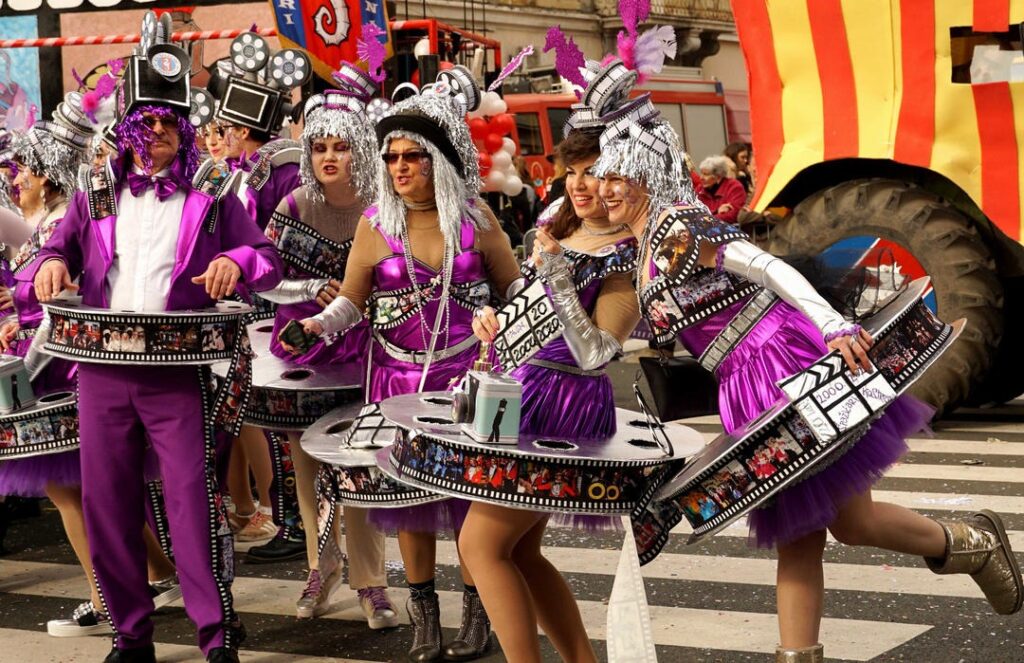
If you want the most unusual carnival tradition, look at Lastovo Poklad. Lastovo is a small Adriatic island. Its carnival follows a local legend.
The season runs from January 17 to Ash Wednesday. A procession moves through the village. It is led by a crew member steering a donkey. The donkey carries a straw effigy called the Poklad.
The finale is dramatic. The effigy descends down a rope. Fireworks and noise fill the air. Then the effigy is burned in the main square.
In 2025, a safeguarding project for Lastovo Poklad was selected by UNESCO. It is on the Register of Good Safeguarding Practices.
Lastovo Poklad how to visit
Expect limited winter ferry connections and weather disruptions. That is why an overnight stay is the smart move. Connections also take time in the off-season.
Smart approach:
plan at least one overnight
build in weather flexibility
choose your dates based on the published program
If you love culture travel, it is worth it. It feels like a true local world.
What to wear and pack for carnival in Croatia
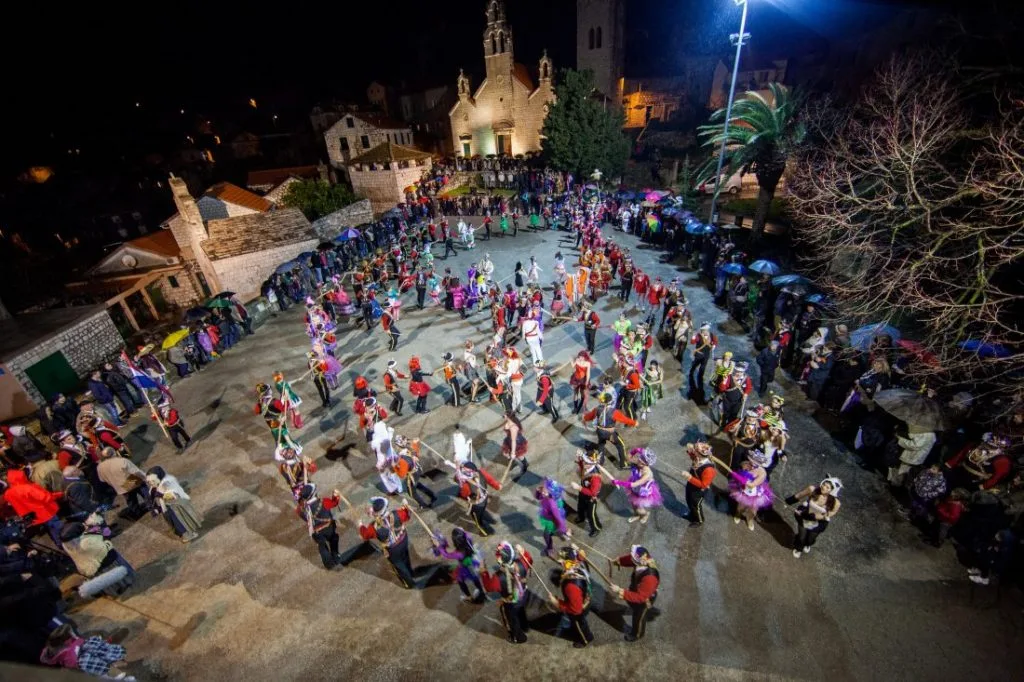
Winter carnival is outdoors. Even in the south.
Pack for standing, walking, and wind.
Checklist:
warm layers you can adjust
waterproof jacket
comfortable shoes with grip
hat and gloves for Kvarner nights
small umbrella or poncho
phone power bank for parade days
If you plan to dress up, keep it simple. A warm base layer under a costume helps a lot.
Where to stay for Croatia carnival season
Your base depends on the vibe you want.
Best bases by travel style:
Rijeka for the biggest events and Kvarner variety
Opatija for comfort and easy day trips
Zagreb for city breaks plus Samobor Fašnik
Dubrovnik for culture and February tradition
Lastovo for a once-in-a-lifetime heritage trip
If your priority is the Rijeka Carnival Parade, stay close. Late-night logistics are easier. If you want quieter evenings, stay outside the center.
Best time to go: choose your carnival mood
Different weeks feel different. That is a good thing.
Pick your style:
late January for lighter crowds and family events
early February for strong programs with more space
peak parade weekend for maximum energy
Shrove Tuesday week for finales and effigy rituals
If you are unsure, plan a February weekend. That usually gives you the best chance of a headline event.
Food and small traditions to notice
Carnival season is also a food season. Each region has its own treats. You might see:
fried dough pastries
sugar-dusted bites in cafés
simple winter stews after evening events
Do not overplan meals on parade days. Eat earlier. Or book a table. Cities get busy.
Safety and etiquette tips
Carnival is fun, but it is still a cultural space. A few small habits help.
keep your phone secure in crowds
arrive early for a good parade spot
respect performers and traditional groups
do not block procession routes
follow local instructions if roads close
If you travel with kids, pick daytime parades. Bring snacks. And plan a warm break inside.
Croatia winter trip ideas that pair well with carnival
Carnival can be your anchor. Then you can add extra stops.
Easy add-ons:
coastal walks in Opatija
museums and cafés in Zagreb
a relaxed Dubrovnik old town weekend
Kvarner viewpoints on clear days
If you get lucky with sun, winter Croatia can feel bright. The sea is still stunning.
Plan Your Croatia Carnival Season Trip
Choose your carnival base first. Then build the rest of the trip around it.
If you want the biggest party, go to Rijeka. If you want an easy day trip, choose Samobor Fašnik. If you want heritage culture, look for Zvončari or Lastovo Poklad. Then book your stay early for peak weekends.
FAQs
What is the best carnival in Croatia?
For scale and energy, Rijeka is the top choice. It has the biggest parades. It also has the strongest international feel.
For tradition and drama, look for Zvončari bell ringers. For a unique island story, consider Lastovo Poklad.
When is carnival in Croatia?
Carnival season usually runs from January into February. It ends right before Lent. Dates shift every year.
What is fašnik in Croatia?
Fašnik is a Croatian term for carnival. It often includes masks, parades, and satire. In some towns, it ends with a symbolic ritual.
What is poklade in Croatia?
Poklade is another term used for the carnival period. It describes the pre-Lent season of costumes, events, and local customs.
Is Rijeka Carnival worth visiting?
Yes. It is the biggest carnival scene in the country. If you like crowds and energy, it is a great winter trip.
Where to see zvončari in Croatia?
The best area is near Kastav in Kvarner. It is close to Rijeka and Opatija. That makes it easy to add to a Rijeka itinerary.
What is Lastovo Poklad and how to visit?
Lastovo Poklad is a traditional carnival on the island of Lastovo. It includes a dramatic ritual finale. To visit, plan at least one overnight. Check ferry schedules and the event program.
Is Dubrovnik worth visiting in February?
Yes. It is calmer than summer. It also has strong local tradition around Saint Blaise Day on February 3. If you like culture travel, it is a great time to go.
Disclosure: This page may contain affiliate links. This means that we get a small commission from any purchase you make, at no additional cost to you!