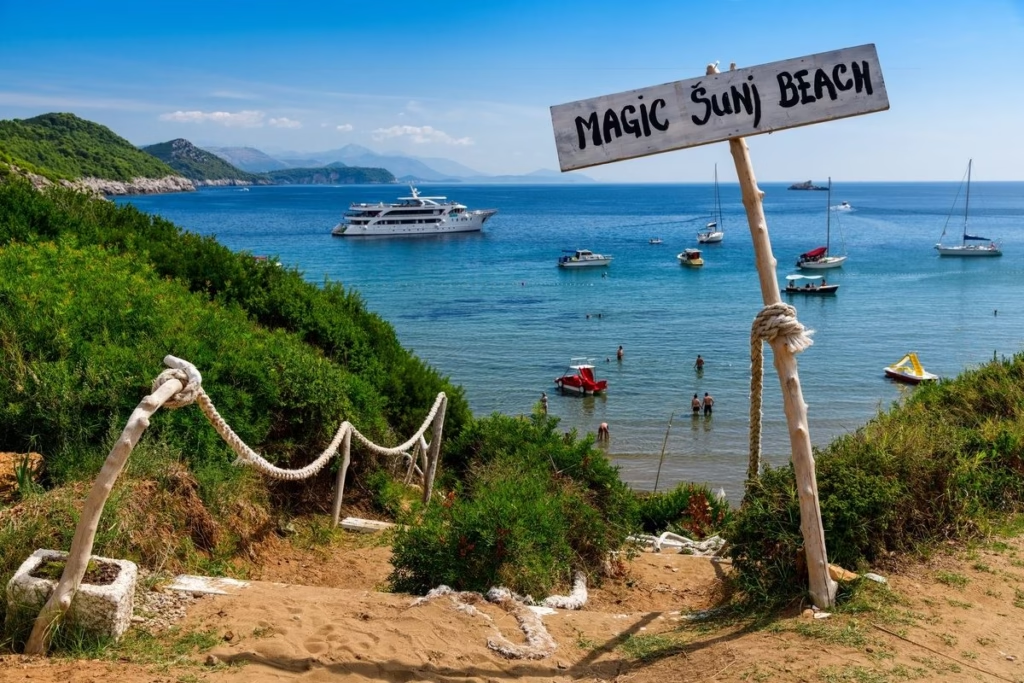
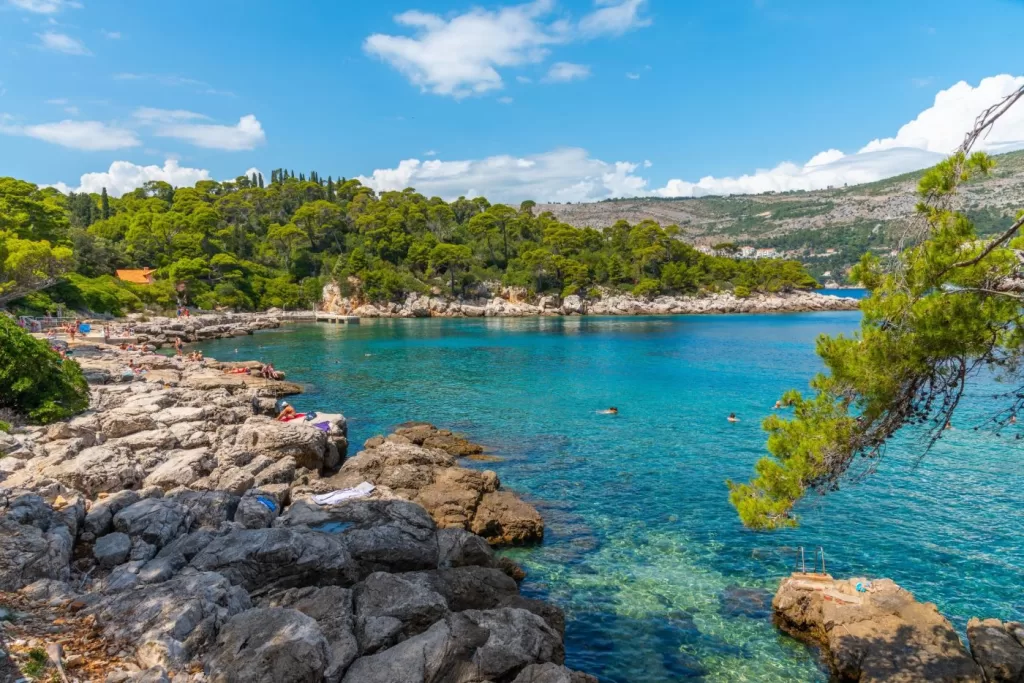
Mljet National Park is one of the most peaceful places you can visit from Dubrovnik. It is not a park of loud viewpoints, big crowds, or quick photo stops. It is a green island escape built around saltwater lakes, pine forest, quiet paths, stone villages, and a monastery island that feels beautifully remote.
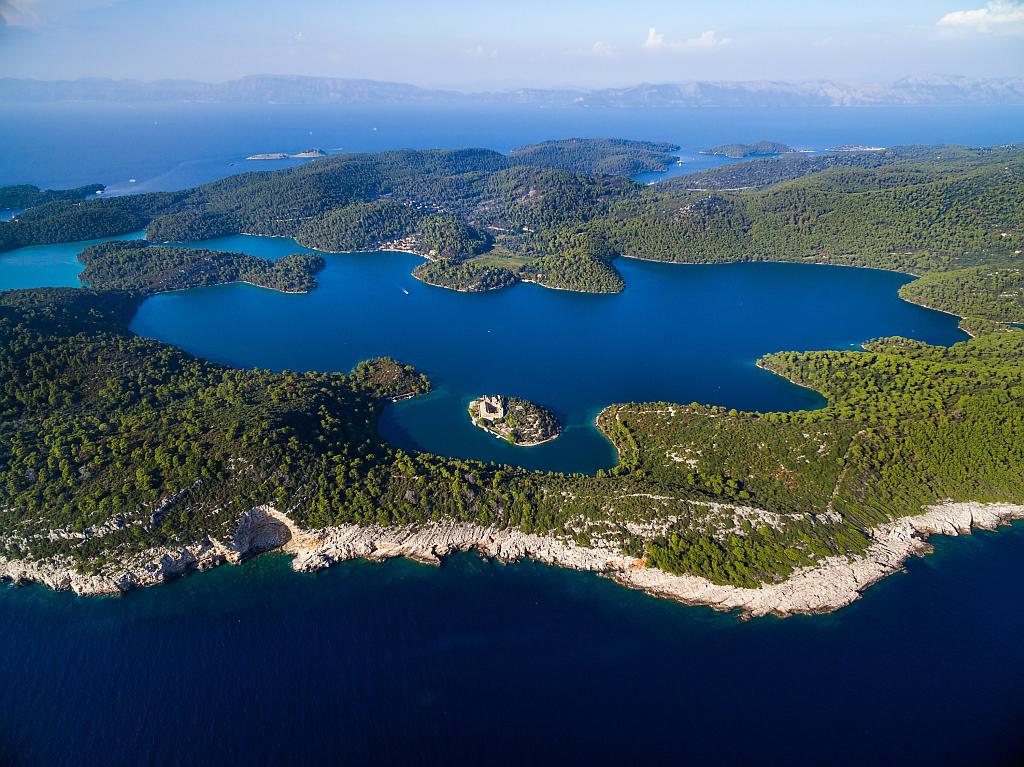
This is the northwestern part of Mljet Island, in Dubrovnik-Neretva County, Croatia. The park covers almost one third of the island and includes a protected marine area in its northwestern section. Its most famous sights are Veliko Jezero and Malo Jezero, two deep seawater bays that visitors usually call lakes.
In the southern part of Veliko Jezero sits the islet of St. Mary, with its old Benedictine monastery and calm boat approach. For many travelers, this is the scene that defines Mljet National Park.
For many visitors, Mljet National Park works as a day trip from Dubrovnik. But it becomes even better if you stay overnight. Once the day visitors leave, the lake paths become quieter, the harbors slow down, and the island shows its gentle Mediterranean rhythm.
That slower evening atmosphere is one of the best reasons to stay near the park. You can swim later in the day, walk without rushing for the ferry, and enjoy Pomena or Polače after the busiest hours.
If you want nature near Dubrovnik without the same city crowds, Mljet is one of the best choices. Visit for a day if your schedule is tight, or stay overnight if you want the lakes at their quietest.
Explore This Guide
ToggleWhy Visit Mljet National Park?
Mljet National Park is ideal if you want a softer side of southern Croatia. It has no dramatic waterfalls like Krka and no huge mountain panoramas like Paklenica. Its beauty is quieter, greener, and more intimate.
You come here for:
Swimming in sheltered lake water
Cycling under Aleppo pine trees
Kayaking across calm bays
Walking between Pomena, Polače, and the lakes
Taking the park boat to St. Mary Island
Visiting the Benedictine monastery
Hiking to viewpoints above Veliko Jezero
Enjoying a slow lunch near the water
Staying overnight in a quiet island village
The park feels especially different from Dubrovnik. Dubrovnik is stone, city walls, cruise crowds, and steep lanes. Mljet is forest, lake paths, small harbors, and silence.
That contrast makes this part of Croatia feel especially relaxed and memorable.
Best Things to Do in Mljet National Park
Visit Veliko Jezero
Veliko Jezero means “Great Lake,” and it is the main natural landmark inside the park. Despite the name, it is not a freshwater lake. It is a seawater-filled bay connected with the Adriatic through narrow channels.
The water is usually calm and clear. Pine-covered slopes rise around it, and small boats move slowly between the shore and St. Mary Island. This is the classic view many visitors come to see.
You can walk, cycle, swim, or simply sit by the shore. The best plan is not to rush. Mljet rewards slow travel.
Swim or Walk Around Malo Jezero
Malo Jezero means “Small Lake.” It is more sheltered and often feels warmer in summer. The area around Mali Most is especially popular with families because access to the water is easier than on many rocky parts of the park.
Malo Jezero is a good place for a short swim, a gentle walk, or a relaxed break between bigger park sights. If you visit with kids, this is one of the easiest areas to enjoy.
Take the Boat to St. Mary Island
St. Mary Island is the most famous cultural sight in the national park. It sits inside Veliko Jezero and is reached by the park boat, usually from Mali Most and Pristanište, depending on the current timetable.
The island is small, but memorable. You will find the Benedictine monastery, the Church of St. Mary, stone walls, shaded corners, and beautiful lake views.
Many visitors come for the monastery, but the boat ride is part of the experience. The approach across the lake is one of the most beautiful moments of the visit.
Before visiting, check the latest boat schedule. Timetables can change by season and weather.
Cycle Around the Lakes
Cycling is one of the best ways to explore the park. The lake roads and paths are scenic, shaded in many parts, and easier than hiking in the midday heat.
Bike rental is usually available around the main visitor areas, including Pomena, Malo Jezero, and Vrbovica near Veliko Jezero. Availability can change outside peak season, so check locally before planning your day around a rental.
Cycling suits travelers who want to see more than one lake area without spending the whole day walking. It is also a good option if you arrive by ferry and have limited time.
Go Kayaking on the Lakes
Kayaking here is calm, scenic, and beginner-friendly in good weather. The lakes are more sheltered than open sea areas, so the experience feels peaceful rather than extreme.
Kayaks and canoes are usually available near Malo Jezero. From there, you can paddle through quiet water, look back at the forested hills, and see the park from a slower angle.
This is one of the best activities for couples and active travelers. Go earlier in the day for softer light and less heat.
Hike to Montokuc Viewpoint
Montokuc is one of the best viewpoints above the lakes. From above the lakes, you can see the blue-green water, forested slopes, and the wider island landscape.
The hike is more demanding than a lake walk, especially in summer heat. Wear proper shoes, carry water, and avoid the hottest part of the day.
If you only want easy sightseeing, stay around the lakes. If you want the best panoramic reward, add Montokuc.
Walk Between Pomena and Polače
Pomena and Polače are the two most useful bases for visiting the park. The marked Pomena to Polače trail is about 5 km and passes near the lakes and through Goveđari.
Pomena feels more directly connected to the park entrance and lake area. Polače has a relaxed waterfront, Roman remains, restaurants, and a strong arrival-point feel.
This walk works best in spring, early summer, or autumn. In July and August, start early or go later in the day.
Dubrovnik to Mljet National Park
Dubrovnik is the main starting point for many visitors. The trip is very possible, but the ferry route, arrival port, and return time matter more than the distance.
Mljet is an island, so you will arrive by ferry, catamaran, or boat tour. The main arrival points are usually Sobra, Polače, or Pomena, depending on route and season.
For visiting the national park, Pomena and Polače are the most convenient arrival points. Sobra is useful for ferry connections, but it is farther from the main lake area.
If you travel with a car, the Prapratno to Sobra car ferry on the Pelješac Peninsula is the key route. The crossing takes about 45 minutes, but the timetable changes by season.
Check these details before you go:
Which Mljet port your ferry uses
Whether the ferry allows a same-day return
How you will reach the park entrance
Current boat timetable to St. Mary Island
Seasonal changes in departure times
Whether your accommodation offers transfers
A Mljet day trip from Dubrovnik is easiest in the main travel season, when passenger connections are more useful. Direct passenger routes can vary by season, so confirm the current timetable before booking your day.
In shoulder season, staying overnight may be easier and more enjoyable.
Mljet National Park One Day Itinerary
For a one-day visit, keep the plan simple. First, confirm your arrival port and return ferry time. Then build your day around the lakes, St. Mary Island, and one relaxed swim or walk.
A good first visit could look like this:
Arrive in Pomena or Polače
Enter the park and head toward the lakes
Walk or cycle around part of Veliko Jezero
Take the boat to St. Mary Island
Visit the monastery area
Swim near Malo Jezero or Mali Most
Have lunch or a drink near the water
Return to your ferry or accommodation
If you are on a Mljet day trip from Dubrovnik, ferry times will shape your day. Do not add too many extra stops unless you know the schedule gives you enough time.
If you stay overnight, add Montokuc viewpoint, kayaking, or a slower evening walk.
Suggested 2-Day Mljet Itinerary
A 2-day trip is the best balance for many visitors. It gives you the main sights without making the island feel rushed.
Day 1: Lakes, St. Mary Island and a Slow Evening
Arrive in Pomena or Polače and settle in. Spend the first part of the day around Veliko Jezero and Malo Jezero.
Take the boat to St. Mary Island, visit the monastery area, and leave time for a swim near the lake shore. In the evening, return to Pomena or Polače for dinner by the water.
This is the day to enjoy the classic Mljet National Park experience.
Day 2: Viewpoint, Kayaking or Wider Island
Use the morning for Montokuc viewpoint, cycling, or kayaking. Start early if you visit in summer, because the trails and exposed areas feel hotter later in the day.
If you have a car or enough transfer time, add Odysseus Cave, Babino Polje, Saplunara, or Blace Beach outside the national park. If not, stay near the lakes and enjoy a slower second swim before leaving.
This second day makes Mljet feel like an island, not just a day-trip stop.
Mljet National Park Tickets and What They Include
Ticket rules can change, so always check the official information before you travel. The important point is that the park ticket usually covers more than simple entry.
The standard visitor ticket usually includes:
Access to inland park sites
Marked walking trails around Veliko Jezero and Malo Jezero
One return solar boat trip to St. Mary Island
Selected parking at Vrbovica
Visitor insurance
Electric train transport according to timetable
This matters because many first-time visitors wonder if the boat to St. Mary Island is separate. In the standard ticket, one return boat trip is included. Extra rides may cost more.
If you stay in private or hotel accommodation in the park area, ask whether longer-validity visitor tickets are available under current conditions.
Where to Stay in Mljet National Park and Nearby
Choosing where to stay in Mljet changes the whole trip. If you want easy park access, do not book randomly across the island. Pick your base carefully, because transfer time can shape the whole trip.
Pomena: Best for Easy Park Access
Pomena is one of the best places to stay near the national park. It is close to the lakes, park services, bike rental areas, and walking routes.
Stay in Pomena if you want convenience. It suits first-time visitors, couples without a car, and anyone who wants to spend more time inside the park.
Check stays in Pomena if you want the easiest base for lake walks, swimming, cycling, and St. Mary Island.
Polače: Best for Waterfront Charm and Ferry Access
Polače is another excellent base for visiting the park. It has a beautiful bay, waterfront restaurants, and Roman ruins near the village.
It feels a little more like a classic island harbor. You can eat by the water, walk toward the park, and enjoy a slower evening after day visitors leave.
Choose Polače if you want a mix of history, harbor atmosphere, and park access.
Goveđari: Best for Quiet Stays
Goveđari is a quieter inland village within the wider park area. It is not as convenient for restaurants or arrivals as Pomena and Polače, but it can suit travelers who want peace.
This is a good choice if you have a car, like rural settings, and want a more local feeling.
Sobra: Best for Ferry Logistics
Sobra is practical rather than romantic. It is useful if your ferry arrives there or if you are moving around the island by car.
However, it is not the best base if your main goal is to spend most of your time in Mljet National Park. For that, Pomena or Polače usually make more sense.
Saplunara: Best for Beaches Outside the Park
Saplunara is on the far eastern side of Mljet, away from the national park area. It is known for sandy and shallow beach scenery, including nearby Blace.
Stay here if your trip is more about beaches than the national park. For a first-time park-focused stay, it is less convenient.
Best Beaches and Swimming Spots
Mljet National Park is not a typical beach destination with long resort-style beaches. Swimming here is more about lake shores, rocky edges, and calm natural water.
Good swimming areas include:
Mali Most area near Malo Jezero
Pebble beach areas in Polače
Shoreline spots around Veliko Jezero
Rocky swimming spots around the lakes
For more classic beach days, look outside the park toward Saplunara and Blace. These are better if you want sand, shallow water, and a slower beach routine.
Swimming is generally allowed in the park unless a place is clearly marked as prohibited. Diving in Veliko Jezero and Malo Jezero is not allowed.
Inside the park, bring water shoes if you prefer easier entry. Many spots are rocky or natural.
Is Mljet National Park Good for Families?
Yes, Mljet National Park can be very good for families, especially if your children enjoy swimming, boats, easy walks, bikes, and nature.
The best family-friendly parts are:
Malo Jezero for easier swimming
Mali Most for the most practical beach access
The boat ride to St. Mary Island
Short lake walks
Cycling if children are confident riders
Pomena for practical access
The main challenge is logistics. Ferries, heat, and walking distances can tire younger children. Keep the day simple and avoid trying to cover every viewpoint.
Families should stay near Pomena or Polače for the easiest experience.
Is Mljet National Park Good for Couples?
Mljet National Park is excellent for couples who prefer quiet nature over busy resort nightlife. It feels quieter and more intimate than many famous Croatian destinations.
Couples can enjoy:
Kayaking on the lakes
A slow boat ride to St. Mary Island
Sunset near Pomena or Polače
A lakeside walk after day visitors leave
A quiet dinner in a waterfront konoba
For a romantic stay, choose Pomena for convenience or Polače for harbor atmosphere. One night is good. Two nights are better if you want to slow down.
Check stays in Polače if you want a relaxed waterfront base with restaurants and easy park access.
What to Eat on Mljet
Food on Mljet is simple, coastal, and seasonal. Do not expect a huge city dining scene. Expect konobas, grilled fish, seafood, local olive oil, and relaxed meals by the water.
Look for:
Fresh fish
Octopus dishes
Black risotto
Grilled seafood
Local olive oil
Island herbs
Croatian wine
Pomena and Polače are the most practical dining areas near the park. In quieter months, always check which restaurants are open.
Best Time to Visit Mljet National Park
The best months to visit Mljet National Park are May, June, September, and early October. These months offer a strong mix of pleasant weather, good walking conditions, and fewer crowds than peak summer.
July and August are best for swimming, kayaking, and full summer atmosphere. They are also the hottest and busiest months.
Spring is ideal for cycling and hiking. The island is greener, the light is softer, and the park feels calm.
Autumn is excellent if ferry schedules still work for your plan. The sea and lakes may still feel pleasant, especially in September.
Winter is not the best season for a typical sightseeing visit. Visitor services may be closed or very limited, so check park access and transport before planning an off-season trip.
Practical Tips for Visiting Mljet National Park
Before visiting, check the official park details. Ticket systems, ferry routes, boat schedules, and seasonal hours can change.
Useful tips:
Buy or confirm tickets before peak-season visits
Check what your park ticket includes
Confirm the boat schedule to St. Mary Island
Wear comfortable shoes for lake paths and viewpoints
Bring swimwear and a towel in summer
Carry enough water, especially for hikes
Use sunscreen and a hat in July and August
Do not rely on perfect mobile signal everywhere
Stay on marked paths
Do not camp or light fires inside the park
Do not fish inside the national park
Do not dive in Veliko Jezero or Malo Jezero
Check ferry times before planning a day trip
If you visit by car, remember that some villages and lake areas have limited parking. Follow official signs and use designated parking only.
How Long Do You Need in Mljet National Park?
You can see the main highlights in one day, especially if you arrive in Pomena or Polače. One day is enough for the lakes, St. Mary Island, a swim, and a short walk.
Two days is better. It gives you time for cycling, kayaking, Montokuc viewpoint, and a quieter evening.
Three days works well if you want to combine the park with other parts of Mljet Island, such as Odysseus Cave, Babino Polje, Saplunara, or Blace Beach.
If you are choosing between a rushed day trip and one overnight stay, choose the overnight stay if your schedule allows it.
Final Thoughts: Is Mljet National Park Worth Visiting?
Mljet National Park is worth visiting if you enjoy quiet nature, island scenery, swimming, walking, cycling, and slow travel. It is not the right place if you want nightlife, shopping, or a packed sightseeing checklist.
The park is best for travelers who want a break from Dubrovnik’s crowds. It also works well for couples, families, and nature lovers planning a slower Croatian island experience.
For the easiest trip, base yourself in Pomena or Polače. For the most rewarding visit, stay overnight and enjoy the lakes when the day-trippers have gone.
Check stays in Mljet if you want a peaceful island base close to one of Croatia’s most beautiful national parks.
FAQs About Mljet National Park
Is Mljet National Park worth visiting?
Yes. Mljet National Park is worth visiting for its seawater lakes, forest paths, St. Mary Island, swimming spots, cycling routes, and peaceful island atmosphere. It is especially good if you want nature near Dubrovnik.
Can you visit Mljet National Park from Dubrovnik?
Yes, many travelers visit Mljet National Park from Dubrovnik by ferry, catamaran, or organized boat trip. Always check seasonal schedules before planning a same-day return.
Is one day enough for Mljet National Park?
One day is enough for the lakes, St. Mary Island, a swim, and a short walk. Staying overnight is better if you want kayaking, cycling, viewpoints, or a slower island experience.
Where should I stay for Mljet National Park?
Pomena and Polače are the most convenient bases. Pomena is best for easy park access, while Polače offers a relaxed waterfront setting and historic atmosphere.
Can you swim in Mljet National Park?
Yes, swimming is allowed in most areas unless a place is clearly marked as prohibited. Malo Jezero and areas around Veliko Jezero are popular, but water entry can be rocky in places.
How do you get to St. Mary Island?
Visitors usually reach St. Mary Island by the park boat from Mali Most or Pristanište. The boat schedule changes by season, so check the current timetable before you go.
Can you cycle in Mljet National Park?
Yes. There are cycling paths around parts of the park, and bike rental is usually available near key visitor areas. Cycling is one of the easiest ways to explore the lakes.
Can you kayak in Mljet National Park?
Yes. Kayaks and canoes are usually available near Malo Jezero. The sheltered lake setting makes kayaking a calm and scenic activity in good weather.
Is Mljet National Park good for families?
Yes, especially for families who enjoy swimming, boat rides, cycling, and nature. Keep the itinerary simple and stay near Pomena or Polače for easier logistics.
What is the best time to visit Mljet National Park?
May, June, September, and early October are the best months for most visitors. July and August are great for swimming, but they are hotter and busier.
Do you need a car on Mljet Island?
You do not need a car if you stay in Pomena or Polače and focus on the national park. A car helps if you want to explore other parts of Mljet, such as Saplunara or Odysseus Cave.
Which is better, Pomena or Polače?
Pomena is usually better for the easiest park access. Polače is better if you want a waterfront village feel, restaurants, Roman ruins, and a more relaxed harbor atmosphere.
Disclosure: This page may contain affiliate links. This means that we get a small commission from any purchase you make, at no additional cost to you!