
Family Holidays in Croatia: Best Regions for Kids
Compare Croatia’s family-friendly regions, from Istria and Kvarner to Dalmatia. Choose a practical base, find beaches and activities suited to your children’s ages, and plan a holiday that suits your budget and travel style.
QUICK PLANNING ANSWER
For most families, 7 to 10 days in one region is enough for a relaxed mix of beaches, short trips and sightseeing.
A stay of 10 to 14 days can be divided between two nearby regions, but changing accommodation every few nights usually creates more work than value when travelling with children.
Choose:
- Istria for an easy first family holiday and short driving distances.
- Kvarner for a convenient road trip with mainland and island options.
- Zadar County for shallow beaches, islands and varied day trips.
- Šibenik-Knin County for waterfalls, nature and manageable coastal towns.
- Split County for boat trips, outdoor activities and older children.
- Dubrovnik-Neretva County for famous sights, islands and a more scenic itinerary.
Families with toddlers usually benefit from one practical base close to the beach. Families with school-age children can add national parks and boat trips, while teenagers may prefer active experiences, larger towns and livelier coastal resorts.
Explore This Guide
This family guide to Croatia compares the main coastal regions and helps you decide where to stay, how long to spend there and what type of family holiday each area suits best.
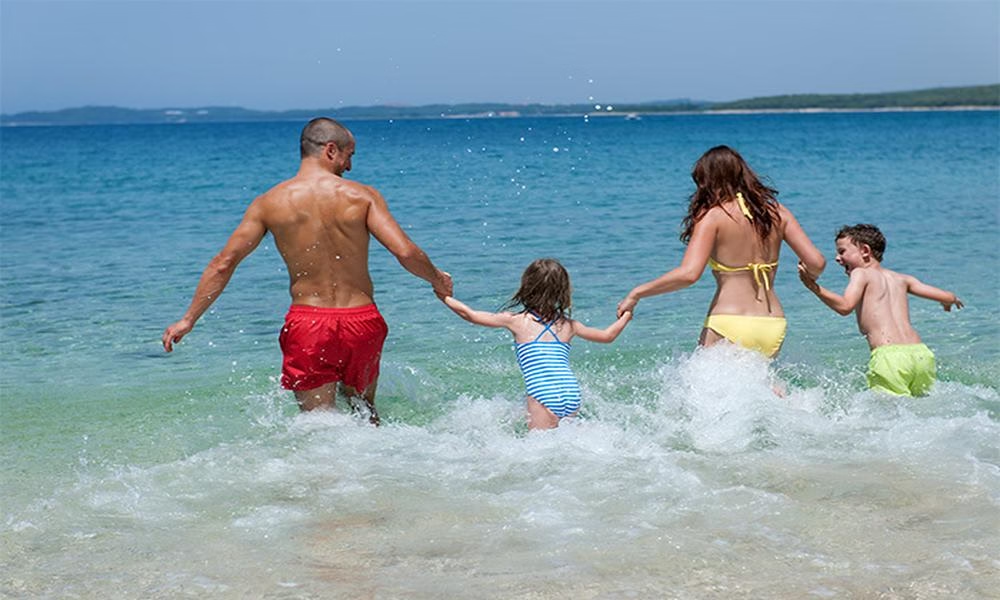
Istria
Istria is one of the most practical regions for families arriving from Central Europe.
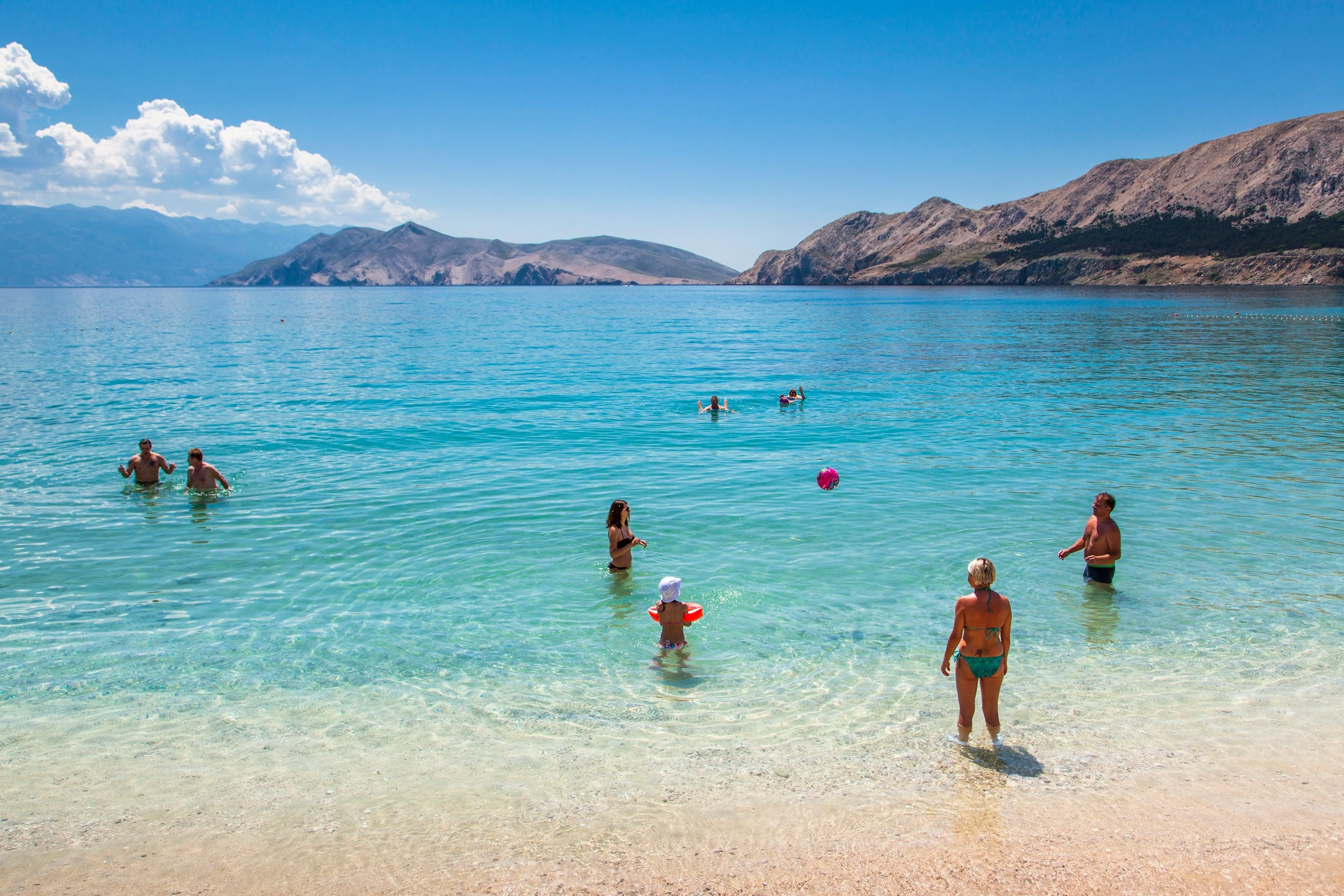
Kvarner
Kvarner combines coastal resorts, islands and mountain landscapes within a relatively compact area.
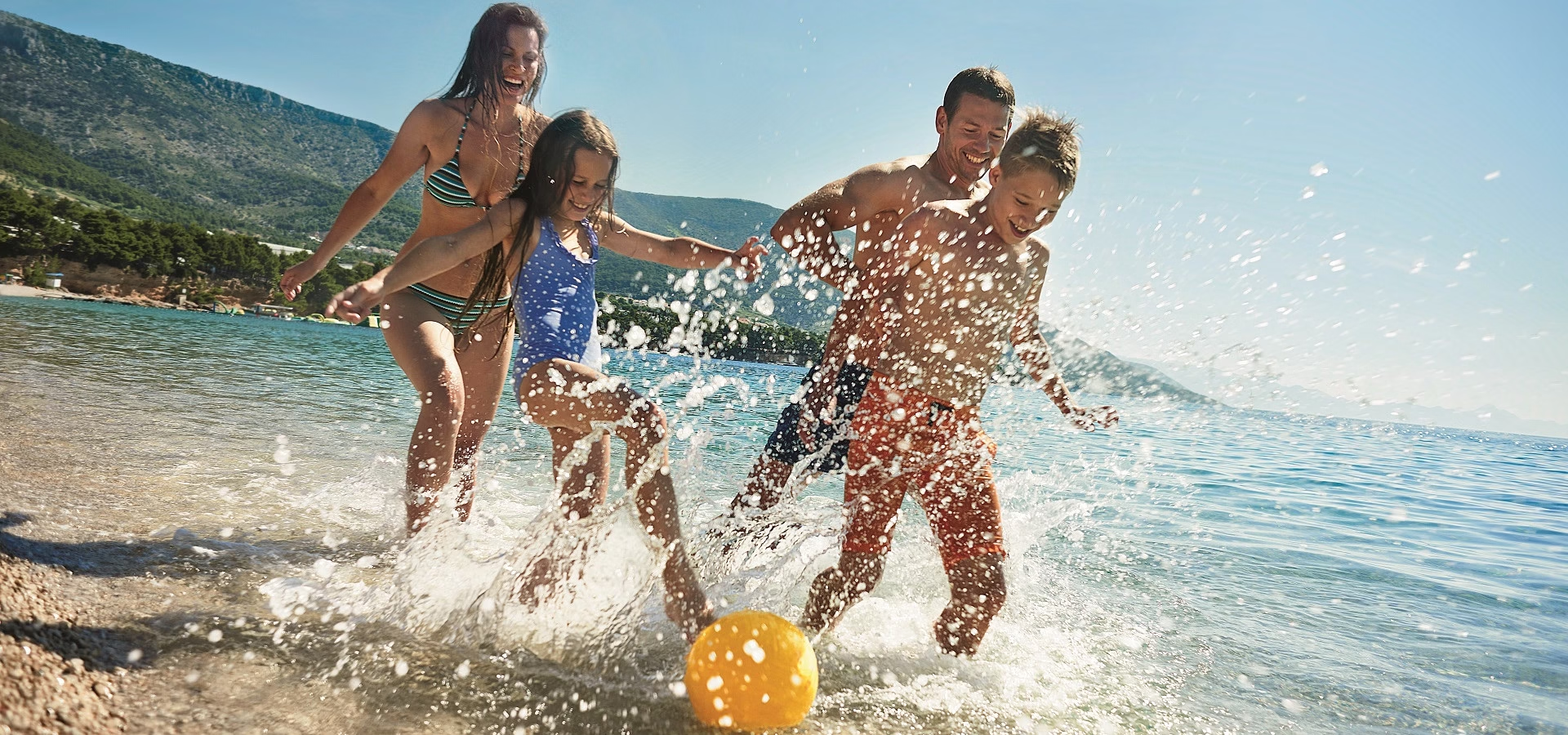
Zadar County
Zadar County is one of Croatia’s most versatile family destinations.
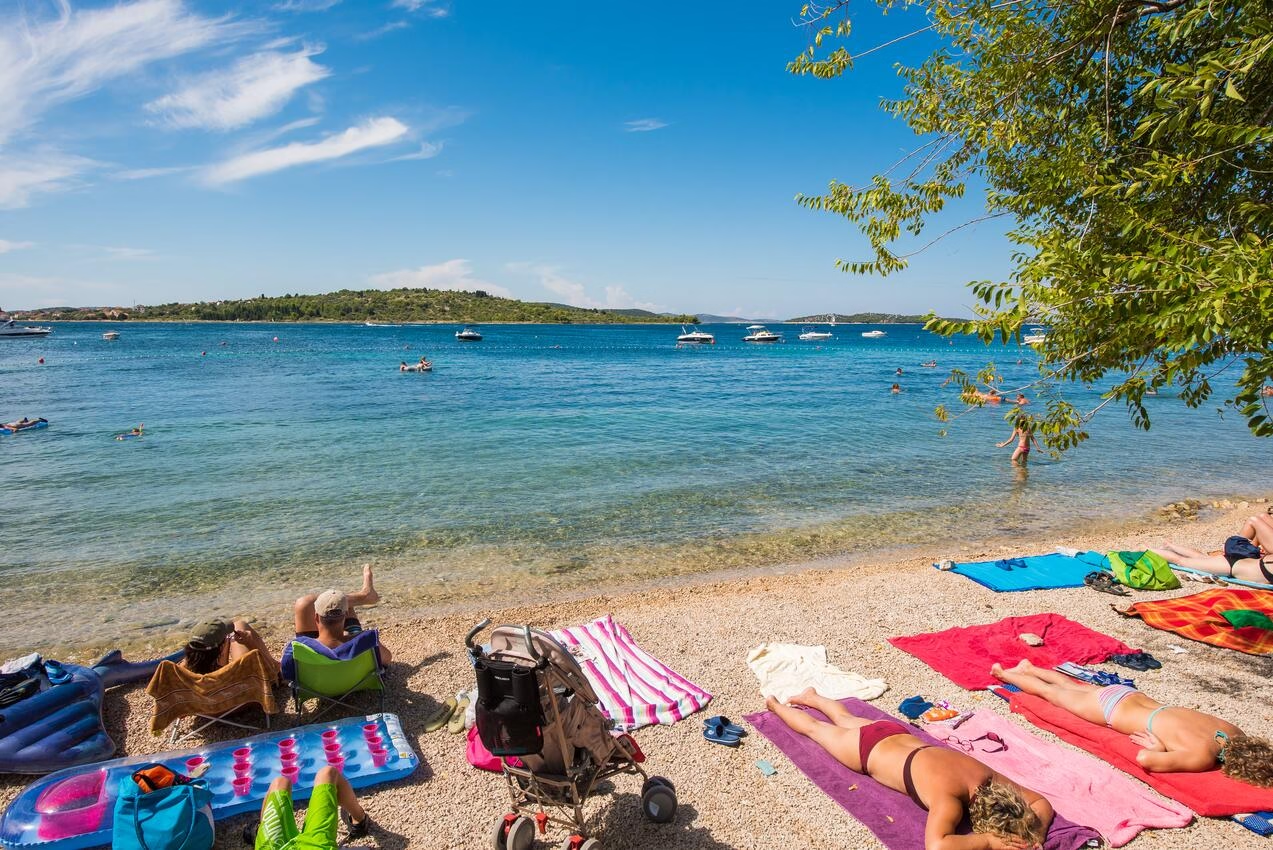
Šibenik-Knin County
Šibenik-Knin County offers a useful balance of historic towns, beaches, islands and nature.
Split County
Split County offers the widest range of experiences in central Dalmatia.
Dubrovnik-Neretva County
Dubrovnik-Neretva County can work well for families, but choosing the right base makes a significant difference.
Istria: The Easiest Choice for a First Family Trip
Istria is one of the most practical regions for families arriving from Central Europe. Coastal towns, inland villages and family attractions are relatively close together, making it easier to plan day trips without spending several hours in the car.
Poreč, Rovinj, Pula, Medulin, Rabac and Umag all offer different styles of family holiday. Larger resorts and campsites often provide pools, playgrounds and organised activities, while apartments give families more space and flexibility.
Istria is especially suitable for younger children, families travelling by car and parents who want a balance of beaches, old towns and simple attractions.
Many beaches are pebbly, rocky or built on bathing platforms rather than sandy. Water shoes are useful, and families should check the exact beach conditions before choosing accommodation.
Best for: first-time visitors, toddlers, road trips and short excursions.
Consider: some of the most popular coastal towns and resorts become busy during the main summer period.
Kvarner: A Flexible Mainland and Island Holiday
Kvarner combines coastal resorts, islands and mountain landscapes within a relatively compact area. It is a convenient choice for families driving to Croatia who want to avoid travelling far south.
Mainland bases such as Crikvenica, Selce, Novi Vinodolski, Opatija and Rijeka provide straightforward access by road. Families can also stay on Krk, Rab, Cres or Lošinj, depending on whether they prefer easier access, sandy bays, quieter nature or resort facilities.
Kvarner works particularly well for families who want several different experiences without changing accommodation. A beach holiday can be combined with island villages, coastal promenades, short boat trips and cooler inland excursions.
Best for: families arriving by car, mixed-age families and travellers comparing mainland and island bases.
Consider: travel between islands may require ferries, so routes and departure arrangements should be checked before booking.
Zadar County: Shallow Beaches, Islands and Nature
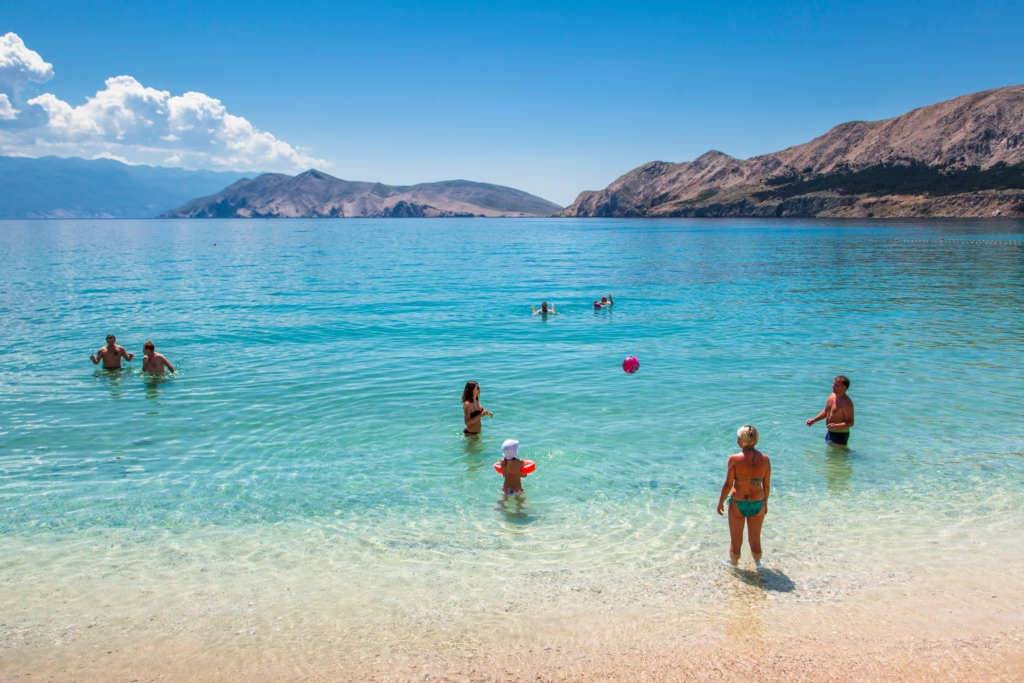
Zadar County is one of Croatia’s most versatile family destinations. The region includes Zadar, Nin, Privlaka, Vir, Biograd na Moru, Pakoštane, Pag and several inhabited islands.
The Nin Riviera is particularly useful for families with small children because it has shallow sandy areas that are less common along the Croatian coast. Other parts of the region offer pebbly beaches, family resorts, campsites and apartments close to the sea.
Zadar also works as a base for boat trips and visits to Paklenica National Park, Vransko Lake Nature Park and nearby islands. Families can combine quieter beach days with an old town visit without building an overly demanding itinerary.
Best for: younger children, varied beaches, family resorts and a mix of coast and nature.
Consider: island and national park excursions can involve longer days, so they should be spaced between easier beach days.
Šibenik-Knin County: Waterfalls and Manageable Day Trips
Šibenik-Knin County offers a useful balance of historic towns, beaches, islands and nature. Šibenik, Vodice, Primošten, Rogoznica, Murter and the surrounding coastline provide several possible bases without the scale and intensity of Croatia’s largest destinations.
Krka National Park is one of the region’s main family attractions. Families can also explore Šibenik’s historic centre, spend time at coastal resorts or use Murter as a base for beaches and boat trips.
The distances between many of the main attractions are manageable, making the region suitable for families who want variety but do not want to spend every day travelling.
Best for: nature days, school-age children, waterfalls and a calmer coastal itinerary.
Consider: historic centres can include stone paving, slopes and steps, which may be less convenient with a pushchair.
Split County: Activities, Islands and Lively Coastal Bases
Split County offers the widest range of experiences in central Dalmatia. Families can stay in Split, Trogir, the Kaštela area, Omiš, the Makarska Riviera or on islands such as Brač, Šolta, Hvar and Vis.
The region works especially well for active families and older children. Possible experiences include boat trips, rafting near Omiš, easy coastal walks, island excursions and visits to historic centres.
Split and Trogir are useful for sightseeing and transport connections, while smaller coastal towns can provide easier access to beaches. Omiš is a strong option for families interested in both the sea and outdoor activities.
Choosing one base is important. Trying to combine Split, several islands and the entire Makarska Riviera in a short holiday can result in too much time spent travelling.
Best for: active families, teenagers, boat trips and families wanting many excursion choices.
Consider: traffic, parking and summer crowds can make central locations less relaxing for families with very young children.
Dubrovnik-Neretva County: Famous Sights and Scenic Islands
Dubrovnik-Neretva County can work well for families, but choosing the right base makes a significant difference.
Staying inside or close to Dubrovnik’s Old Town provides easy access to major sights but can involve higher accommodation costs, crowds, stairs and limited parking. Cavtat, Mlini and Srebreno may provide a more relaxed base while keeping Dubrovnik accessible.
Families looking for a slower holiday can also consider the Pelješac Peninsula, Korčula or the Neretva area. These destinations combine beaches, smaller towns, local excursions and more space than central Dubrovnik.
The region is best suited to families who want famous historical sights as part of the holiday rather than a week focused only on beaches.
Best for: culture, scenic day trips, older children and families combining sightseeing with the coast.
Consider: distances are longer than they first appear, and some island connections require careful ferry planning.
Choose a Region by Family Travel Style
Best for Toddlers and Preschool Children
Istria and the Nin Riviera in Zadar County are among the easiest options. They provide practical accommodation choices, shorter excursions and several beaches or resorts suitable for simpler family days.
A base within walking distance of the beach is usually more valuable than staying in a famous old town and driving to the sea every day.
Best for School-Age Children
Zadar County and Šibenik-Knin County combine swimming with national parks, historic towns and short adventures. These regions make it easier to alternate between active days and slower beach days.
Best for Teenagers
Split County offers the broadest mix of boat trips, water activities, rafting, larger towns and islands. Dubrovnik-Neretva County can also work well for teenagers interested in history, island trips and recognisable filming locations.
Best for a Family Road Trip
Istria and Kvarner are practical for families arriving from Slovenia, Austria, northern Italy, Germany or other parts of Central Europe. They reduce the initial driving distance and offer several bases within a manageable area.
Best for a Lower-Cost Family Holiday
Accommodation outside the most famous historic centres usually offers better value. Apartments with kitchens, campsites, mobile homes and smaller coastal towns can reduce the cost of both accommodation and meals.
Regional prices still vary according to location, season, parking, beach access and included facilities. The lowest room price is not always the best overall value when daily transport and parking are added.
Beaches in Croatia with Children
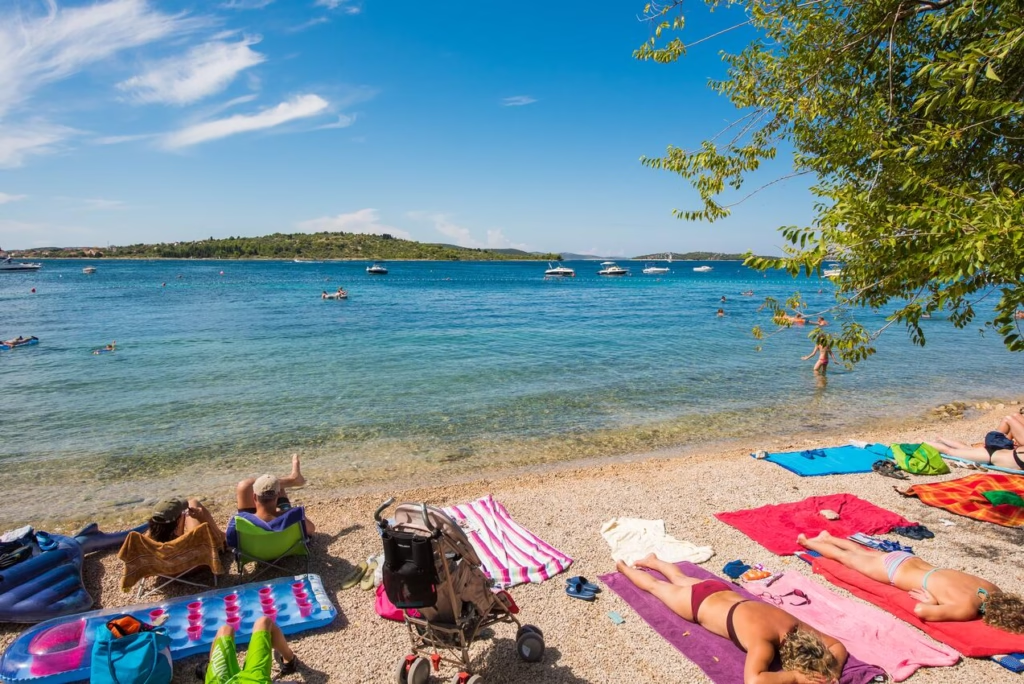
Croatia has clear water and a long, varied coastline, but not every beach is sandy. Pebble beaches, rocky coves and concrete bathing platforms are common.
Before booking accommodation, check:
- the walking distance to the beach
- whether access includes stairs or steep paths
- the type of beach surface
- whether the water becomes deep quickly
- availability of natural shade
- showers, toilets and changing facilities
- nearby parking
- food and drink options
- playgrounds or child-friendly facilities
Water shoes are useful in many areas. A lightweight sun shelter can also help on beaches with limited natural shade.
For more destination ideas, continue to the guide to the best beaches in Croatia.
Family Activities Beyond the Beach
A successful family holiday does not need a different paid attraction every day. A realistic schedule usually combines free beach days with a few carefully selected excursions.
Popular family experiences include:
- exploring walkable coastal old towns
- visiting national parks and nature parks
- taking a short boat or island trip
- kayaking or rafting with an age-appropriate operator
- cycling on easy local routes
- visiting aquaparks, adventure parks or family resorts
- spending a day in a quieter inland village
- joining a food, history or nature experience suited to children
Avoid placing several long excursions on consecutive days. Children often enjoy the trip more when active days are followed by a simple beach or pool day.
Where to Stay in Croatia with Kids
The best accommodation type depends on how much space, flexibility and organised entertainment the family needs.
Apartments and Holiday Homes
Apartments are useful for families who want a kitchen, separate sleeping areas and more control over meals. Check whether parking, air conditioning, a washing machine and outdoor space are included.
Family Hotels and Resorts
Hotels and resorts can be easier for families who prefer breakfast, pools, children’s activities and fewer daily decisions. Read the details carefully because family facilities vary significantly between properties.
Campsites and Mobile Homes
Croatia has many coastal campsites with mobile homes, pools, playgrounds and direct beach access. They can work well for children who enjoy an active and social environment.
Historic Centres or Quieter Outskirts
Historic centres are convenient for evening walks and sightseeing, but they may include stairs, limited parking and more noise. Accommodation slightly outside the centre may provide easier parking, better beach access and more space.
Do Families Need a Car in Croatia?
A car is useful when staying in smaller resorts, exploring several beaches or visiting national and nature parks.
It is less important when staying in a well-connected town and focusing on local beaches, organised excursions and ferry trips. Zadar, Split and Dubrovnik can all be visited without a car, although the best choice depends on the exact accommodation location.
Families renting a car should check parking arrangements before booking. A property described as central may be located inside a pedestrian zone or an old town where the vehicle cannot reach the entrance.
Best Time for a Family Holiday in Croatia
Late spring, early summer and early autumn generally offer a comfortable balance of warm weather, lower crowd levels and easier sightseeing.
July and August provide the warmest and most reliable beach conditions, but they are also the busiest period. Families travelling during the main school holidays should book practical accommodation early and avoid building an itinerary that depends on daily driving through crowded coastal areas.
Sea temperatures, ferry frequency, attractions and weather conditions vary through the year, so seasonal services should always be checked before the trip.
Practical Tips for Croatia with Kids
- Choose one main base for a stay of up to ten days.
- Book accommodation with confirmed parking when travelling by car.
- Check the route between the accommodation and beach, not only the distance.
- Bring water shoes, sun protection and reusable water bottles.
- Plan outdoor sightseeing earlier or later in the day during hot weather.
- Keep meals flexible with a mix of restaurants, bakeries, markets and self-catering.
- Confirm child age limits before booking rafting, kayaking or boat activities.
- Check ferry arrangements carefully when travelling with a vehicle.
- Allow time for rest instead of filling every day with excursions.
Start with the Region That Fits Your Family
The best family holiday in Croatia is not necessarily based in the most famous destination. It is based in a place that suits the children’s ages, the family budget and the amount of travelling everyone is comfortable with.
Istria and Kvarner provide easier access and flexible road trips. Zadar and Šibenik-Knin counties combine beaches with nature. Split County offers the widest range of activities, while Dubrovnik-Neretva County works best for families who want famous sights and scenic island experiences.
Choose the region first, then use the detailed family guide for practical bases, activities and ways to manage the holiday budget.
FAQs About Family Holidays in Croatia
Is Croatia suitable for a family holiday?
Yes. Croatia offers beaches, family resorts, apartments, campsites, historic towns, national parks and activities for different age groups. Choosing the right region and practical accommodation is more important than trying to visit as many places as possible.
Which part of Croatia is best for young children?
Istria and parts of Zadar County are among the easiest choices. The Nin Riviera is particularly useful for families looking for shallow sandy areas, while Istria offers short distances and a wide range of family accommodation.
Which region is best for active families?
Split County is a strong choice for rafting, boat trips, island excursions and water activities. Šibenik-Knin and Zadar counties are also suitable for families who want national parks and outdoor days.
Are Croatian beaches sandy?
Some are, but many Croatian beaches are pebbly, rocky or formed around bathing platforms. Families should check the exact beach type before booking and bring water shoes where necessary.
Is Croatia expensive for families?
Costs depend heavily on the region, season and accommodation location. Staying outside famous historic centres, choosing an apartment and limiting paid excursions can make a substantial difference.
Is one week enough for Croatia with kids?
One week is enough for one region and several nearby excursions. A family trip should not attempt to cover the entire Croatian coast in seven days.