
Best Beaches in Croatia: Regions, Sand and Family Picks
Croatia’s coastline ranges from shallow sandy lagoons and organised family beaches to pine-backed pebble bays, rocky swimming platforms and island coves reached by boat. The right beach depends less on a single ranking and more on where you stay, how you travel and what kind of beach day you want.
Use this hub to compare Croatia’s coastal regions, find beaches that suit your travel style and choose a practical base for your holiday.
QUICK PLANNING ANSWER
For a beach-focused holiday, spend 5–7 nights in one coastal region. This gives you time for several beaches, one boat trip and a town or island day without spending the week in the car. With 10–14 days, combine two neighbouring regions rather than trying to cover the entire coast.
Croatia works especially well for travellers who enjoy clear water, pebble coves, island trips and coastal towns. Sandy beaches exist, but they are concentrated around places such as Nin, Lopar on Rab, Medulin, Dugi Otok, Lopud and Lumbarda.
Stay overnight on an island if its beaches are the main reason for your trip. A ferry day trip can work, but transport often takes up a large part of the day.
Explore this guide
Choose the Right Croatian Beach Region
Each part of the Croatian coast offers a different balance of access, beach surface, facilities and atmosphere. Start with the region rather than choosing an isolated beach from a photograph.
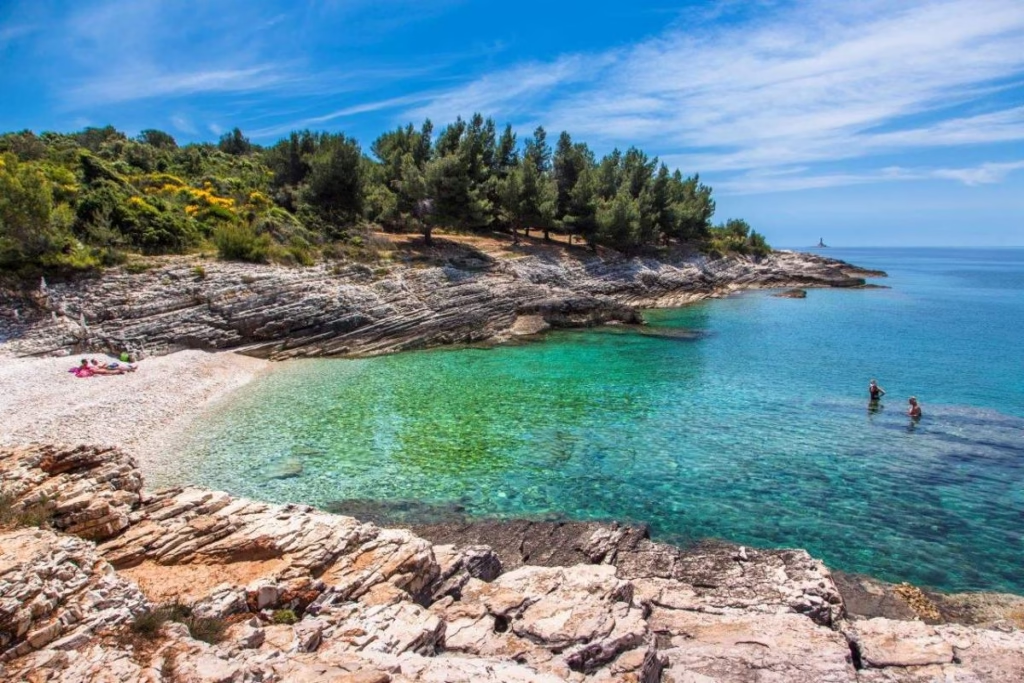
Istria: Easy Road Trips and Organised Beach Areas
Istria is one of the easiest Croatian regions to explore by car. Its western and southern coasts have rocky bathing platforms, small pebble coves, resort beaches and shaded coastal paths. True sand is uncommon, although Bijeca Beach in Medulin has a sandy shore and shallow water.
Medulin suits families and travellers who want beaches close to accommodation. Rovinj combines swimming with an atmospheric old town, while Pula works well for history, restaurants and access to the Verudela Peninsula. Premantura is the better base for exploring the rugged coves of Cape Kamenjak.
Best for: road trips, families, couples, cycling and organised facilities
Good bases: Medulin, Rovinj, Pula, Premantura and Rabac
Main trade-off: much of the coast is rocky, and some natural coves have little shade
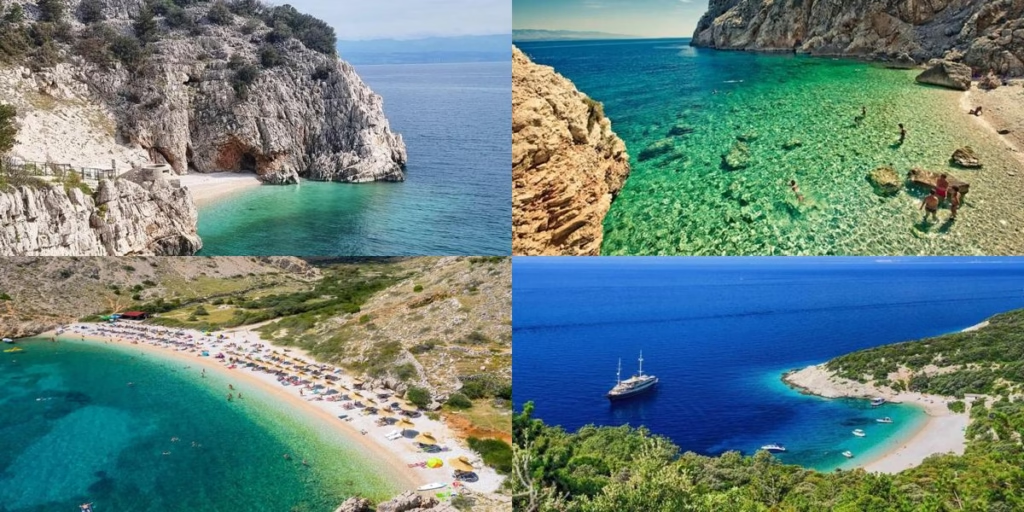
Kvarner: Island Variety and Clear Pebble Bays
Kvarner combines the mainland coast with Krk, Rab, Cres and Lošinj. The region offers more beach variety than first-time visitors often expect. Rab is the strongest choice for sand and shallow water, Krk is the easiest large island to reach by road, Cres feels more rugged, and Lošinj combines beaches with pine forests and long seaside walks.
Rajska Plaža in Lopar is a practical family choice. Vela Plaža in Baška offers restaurants, activities and a dramatic mountain backdrop. Oprna Bay and the coves of Cres are more natural but involve steeper access and fewer facilities.
Best for: island holidays, families, couples and varied beach days
Good bases: Lopar, Baška, Krk Town, Cres Town and Mali Lošinj
Main trade-off: the most scenic coves may require a hike, boat ride or ferry journey
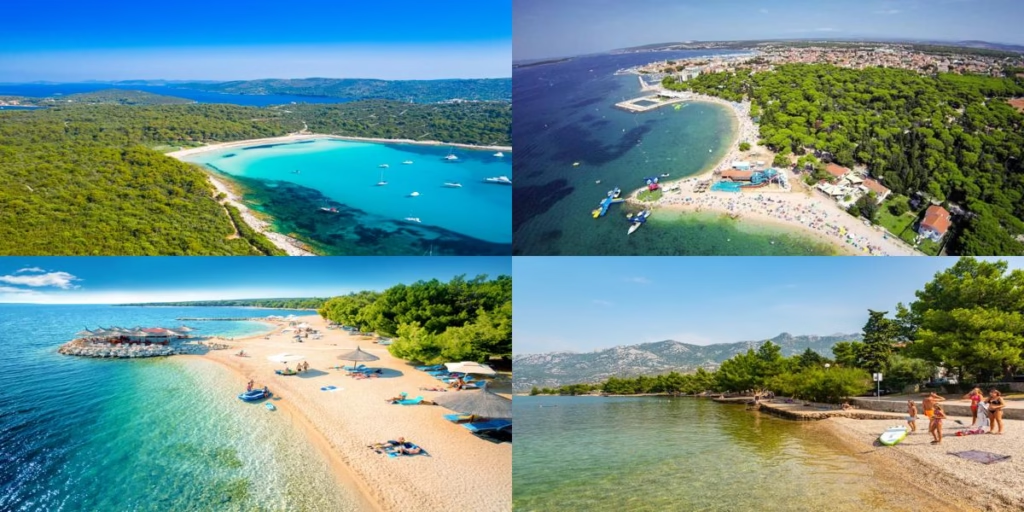
Zadar County and Pag: Sandy Lagoons, Island Scenery and Nightlife
Zadar County combines some of Croatia’s most accessible sandy shallows with island beaches, organised resorts and dramatic open landscapes. The wider area also includes Pag, although the island is administratively divided: Pag Town, Povljana and Šimuni are in Zadar County, while Novalja, Stara Novalja and Metajna belong to Lika-Senj County.
Queen’s Beach near Nin is known for its long sandy shallows and works particularly well for families with younger children. Zaton offers an organised beach-holiday setup, while Zadar is the strongest all-round base for restaurants, historic sights and boat connections. On Dugi Otok, Sakarun provides pale sand, clear water and a broad shallow bay, but staying on the island is more practical if you also want to explore Telašćica and quieter coves.
Pag adds a completely different beach experience. Šimuni, Povljana and Stara Novalja offer more relaxed family stays, while Ručica and Beritnica near Metajna are known for their pale rocky landscapes and walking access. Zrće Beach near Novalja is Croatia’s main beach-club and festival destination.
Best for: families, sandy shallows, unusual scenery, islands, nightlife and mixed sightseeing
Good bases: Zadar, Nin, Zaton, Dugi Otok, Pag Town, Novalja and Šimuni
Main trade-off: ferry schedules, longer island distances, limited natural shade and changing bora conditions require advance planning
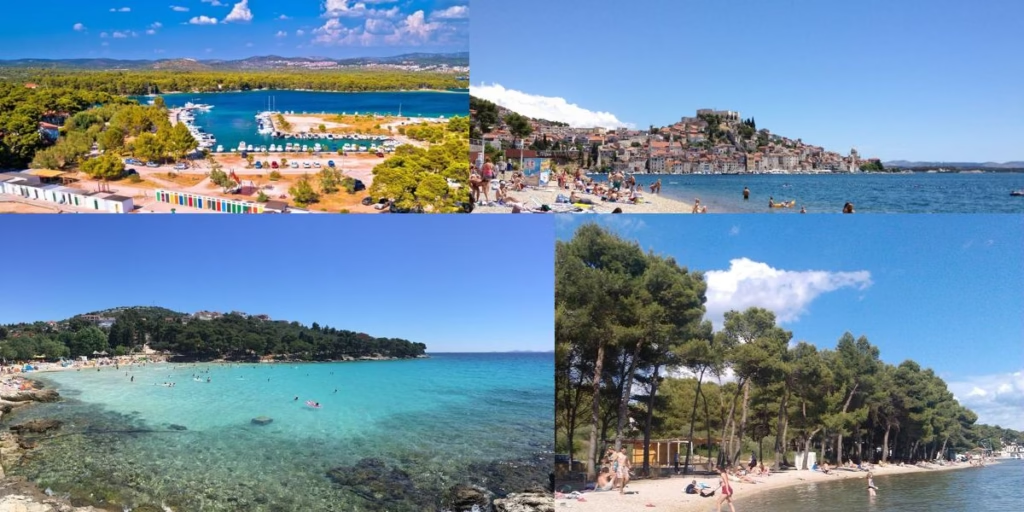
Šibenik-Knin County: Family Beaches and Boat-Based Exploring
The Šibenik coast combines easy town beaches, resort facilities, island trips and access to the Kornati archipelago. Banj Beach is walkable from Šibenik’s centre, while Primošten, Vodice, Brodarica and the resort zone south of Šibenik offer more traditional beach-holiday bases.
Murter is particularly useful for families and boat trips. Slanica has shallow water and seasonal facilities, while quieter coves around the island suit travellers with a car. Zlarin and Prvić work well for a slower island day without moving accommodation.
Best for: families, boat trips, small islands and town-and-beach combinations
Good bases: Šibenik, Primošten, Vodice, Murter and Brodarica
Main trade-off: boat itineraries depend on wind and sea conditions
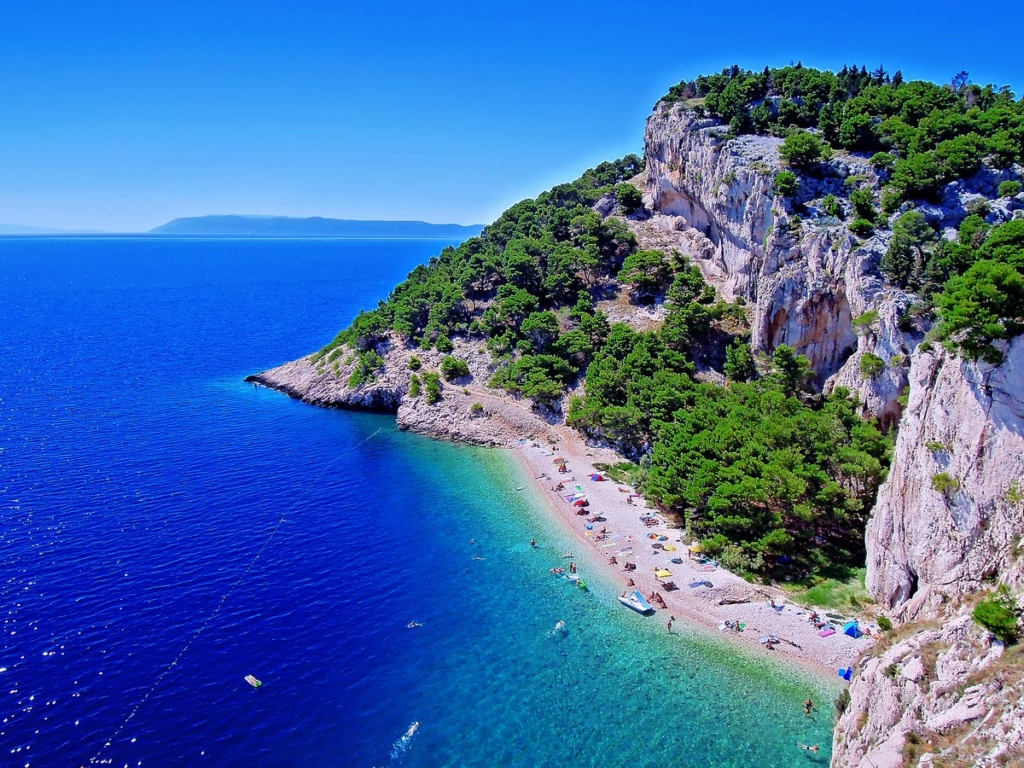
Split-Dalmatia: Famous Beaches and Mountain-Backed Bays
Split-Dalmatia has Croatia’s best-known combination of beaches, islands and historic towns. You can swim at Bačvice or Kašjuni while staying in Split, follow the coast towards Omiš and the Makarska Riviera, or take a ferry to Brač, Hvar, Šolta or Vis.
Zlatni Rat near Bol is formed from fine pebbles rather than sand. Its exposed position also makes it popular for windsurfing. Punta Rata in Brela offers a classic Makarska Riviera setting with pale pebbles, pine shade and the Biokovo mountains behind the coast.
Best for: first-time visitors, island hopping, scenery and water sports
Good bases: Split, Omiš, Brela, Makarska and Bol
Main trade-off: summer traffic, parking pressure and busy ferries require realistic planning
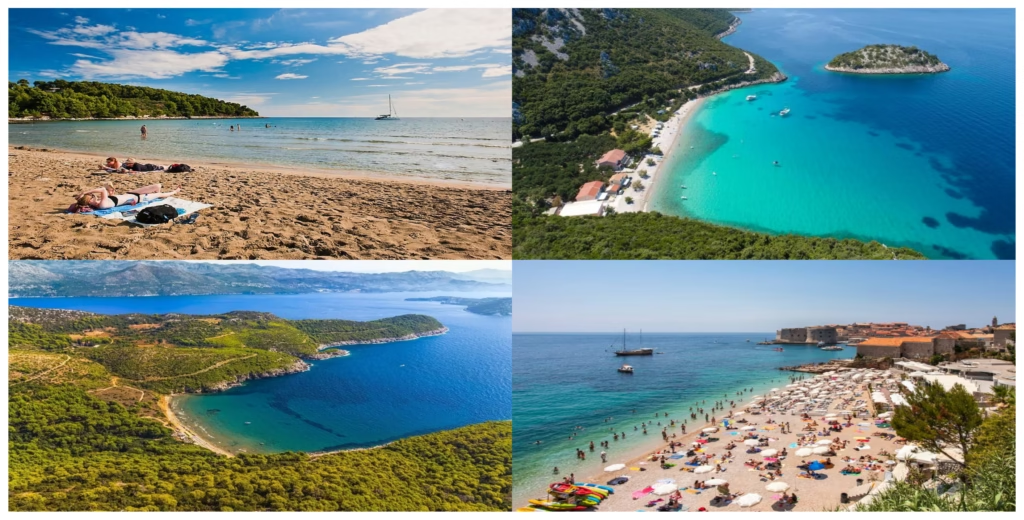
Dubrovnik-Neretva: Island Sand and Southern Dalmatian Coves
Dubrovnik-Neretva combines city beaches with the Elaphiti Islands, Pelješac, Mljet and Korčula. Banje Beach is convenient for views towards Dubrovnik’s old walls, but the region becomes more interesting when you travel beyond the city.
Šunj on car-free Lopud and Vela Pržina near Lumbarda are useful sandy options. Pelješac offers clearer separation between small villages, vineyards and beach coves. Pasjača provides dramatic scenery, but access involves a steep path, steps and short tunnels, making it unsuitable for limited mobility.
Best for: couples, islands, coastal villages and sightseeing
Good bases: Dubrovnik, Cavtat, Lopud, Korčula Town and Pelješac
Main trade-off: many beaches require stairs, boats or longer drives, and Dubrovnik is not the easiest base for daily beach hopping
Choose by Beach Style
Family-Friendly Sand
Nin, Lopar or Medulin for shallow water and family-friendly sand
Easy Road Trips
Istria or Krk for an easier road trip with organised facilities
Beaches and Day Trips
Zadar or Šibenik for a mix of beaches, islands and day trips
Dramatic Coastal Scenery
Brela, Makarska or Bol for dramatic coastal scenery
City Sightseeing and Swimming
Split, Šibenik or Dubrovnik for city sightseeing with swimming
Slower Beach-First Stays
Dugi Otok, Cres, Vis or Pelješac for slower beach-first stays
Summer Nightlife
Novalja and Zrće Beach for summer nightlife
Best Croatian Beaches for Families
A family beach needs more than clear water. Consider the depth of the water, shade, toilets, food, parking and the distance from your accommodation.
Rajska Plaža, Lopar
This long sandy beach on Rab has very shallow water and a broad range of seasonal facilities. It is one of the most practical choices for families with younger children, although the shallow sea is less suitable for adults who want deeper swimming close to shore.
Queen’s Beach, Nin
Queen’s Beach has a sandy shoreline and very shallow water extending into the Nin Lagoon. It suits paddling and younger children, but stronger swimmers may need to walk far before reaching deeper water.
Bijeca Beach, Medulin
Bijeca is one of Istria’s best-known sandy family beaches. Medulin also provides accommodation, restaurants and other beaches within a compact holiday area.
Slanica Beach, Murter
Slanica combines shallow water with seasonal food, activities and family facilities. It becomes busy in midsummer, so staying on Murter makes an early beach start easier.
Velika Plaža, Omiš
The Cetina River has helped create a softer and shallower beach environment around Omiš than on much of the nearby Makarska coast. The town also provides restaurants, activities and practical transport connections.
Šunj Beach, Lopud
Šunj is a sandy bay reached by walking or using local transport from Lopud’s harbour. The island is car-free, but families should still allow enough time for the walk, boat schedule and return journey.
Shallow water does not replace supervision. Conditions, wind and visibility can change even on beaches normally considered suitable for children.
Best Sandy Beaches in Croatia
Most Croatian beaches are pebbly or rocky. Even beaches described as sandy may have a mixture of pebbles on the shore and sand in the water.
Strong sandy options include:
- Queen’s Beach in Nin for very shallow family water
- Rajska Plaža in Lopar for a full beach-holiday setup
- Bijeca Beach in Medulin for an easy Istrian base
- Šunj Beach on Lopud for a car-free island day
- Vela Pržina near Lumbarda for sand, vineyards and a Korčula stay
- Sakarun on Dugi Otok for pale sand, clear shallows and island scenery
- Planjka Trinćel near Stara Novalja for families staying on Pag
Choose the beach according to the entire experience rather than sand alone. Shade, wind exposure, parking and accommodation location often matter more over a full week.
Most Scenic Beaches and Coves
Zlatni Rat, Brač
Zlatni Rat is Croatia’s most recognisable beach shape. It is a fine-pebble cape affected by wind, waves and sea currents. Stay in Bol if you want to enjoy it early in the morning and combine it with other beaches on the island.
Punta Rata, Brela
Punta Rata combines pale pebbles, pine trees and the mountain backdrop of the Makarska Riviera. Brela is a stronger choice than a rushed day trip if beaches are the centre of your holiday.
Stiniva, Vis
Stiniva lies between high cliffs and is reached by boat or a steep rocky trail. The setting is impressive, but the small beach can feel crowded when several boats arrive.
Pasjača, Konavle
Pasjača sits below high cliffs south of Dubrovnik. Reaching it requires a steep descent, and facilities are limited. Wear suitable footwear and carry everything you need back up the path.
Sveti Ivan, Cres
The beach below Lubenice rewards experienced walkers with a remote setting, but the return climb is demanding in summer heat. Boat access is the easier alternative.
Oprna Bay, Krk
Oprna offers clear water beneath the road near Stara Baška. Access involves a steep path, while formal parking and facilities are limited.
These beaches are best for active travellers. Families with pushchairs, visitors with limited mobility and anyone carrying substantial beach equipment should choose easier alternatives.
Best Beaches Without a Car
A car is useful on the Croatian coast, but several destinations allow a good beach holiday without one.
- Bačvice and Kašjuni can be reached from Split by walking, bus or taxi.
- Banj Beach is a short walk from central Šibenik.
- Banje Beach sits close to Dubrovnik’s historic centre.
- Lone Bay can be reached on foot or by bicycle from Rovinj.
- Vela Plaža is walkable from accommodation in Baška.
- Zlatni Rat is connected to Bol by a shaded seaside promenade.
- Šunj can be visited from Dubrovnik using a passenger boat to Lopud.
For a car-free holiday, stay in the town or island where you plan to swim. Do not rely on taxis for several distant beaches every day.
Beaches for Water Sports and Nightlife
Zlatni Rat is one of the strongest choices for windsurfing and other wind-based activities. Vela Plaža in Baška offers a wider organised beach setup, while many larger resort beaches in Istria provide paddleboards, kayaks and seasonal rentals.
Zrće Beach is the clear choice for clubs, festivals and late-night entertainment. Novalja is the most practical base, but travellers wanting quiet nights should stay farther from the main transport route to Zrće.
For relaxed evenings rather than large clubs, consider Split, Hvar Town, Bol, Vodice or Makarska. These places combine beach access with restaurants and bars without making nightlife the entire trip.
Practical Tips for Croatian Beach Days
Pack Water Shoes
Water shoes improve comfort on pebbles, sharp rock shelves and areas where sea urchins may be present. They are especially useful in Istria, Kvarner and natural Dalmatian coves.
Check Access Before Leaving
A beach may look close on a map but still involve steep stairs, an unmarked path or limited roadside parking. Check the final approach, not only the driving distance.
Treat Island Beaches as Full-Day Plans
Passenger catamarans, car ferries and local boats serve different ports. Check the correct port, return time and whether the vessel accepts cars. Summer tickets can sell out on popular routes.
Do Not Depend on Natural Shade
Pine trees appear in many photographs, but shade may cover only part of the beach or disappear as the sun moves. Bring a hat, water and reliable sun protection.
Expect Seasonal Facilities
Beach bars, toilets, rentals and tourist transport may operate only during the main season. Natural coves often have no facilities at all.
Watch the Wind and Sea
The bora can produce sudden gusts, while the maestral often strengthens during the afternoon. Boat trips and exposed beaches may feel very different from sheltered bays on the same day.
Common Croatia Beach Planning Mistakes
- Assuming every turquoise beach has sand
- Choosing a famous beach without checking access and facilities
- Planning beaches in several distant regions as day trips
- Visiting a ferry-dependent island for only a few rushed hours
- Arriving at a small cove in the middle of a busy summer day
- Expecting shade, toilets and food at every beach
- Wearing flip-flops on steep or rocky access paths
- Booking accommodation far from the beaches you want to use most
- Ignoring wind forecasts before a boat trip or exposed beach day
The easiest solution is to choose one strong base, explore nearby beaches and add no more than one or two longer excursions.
Best Time for a Beach Holiday in Croatia
June is a strong choice for long days, active trips and generally lighter crowds than peak summer. The sea can still feel cool to some visitors early in the month.
July and August offer the warmest and busiest beach conditions. Book ferries and accommodation early, expect pressure on parking and start beach days in the morning.
September is often the best balance for adults and couples. The sea usually retains summer warmth, while beaches and roads become calmer after the main holiday period.
May and October can work for coastal walks, sightseeing and occasional swimming, but weather, sea temperature and seasonal services are less predictable.
Plan Your Croatia Beach Holiday
Start with the region that best matches your travel style. Then choose a base close to the beaches you will use most and add one island trip, boat day or scenic cove.
Croatia rewards slower coastal travel. A week spent exploring one part of the Adriatic will usually create a better holiday than a rushed journey between every famous beach.
FAQs About Croatia’s Beaches
Which part of Croatia has the best beaches?
Split-Dalmatia is strongest for famous scenery and island variety. Zadar is excellent for sandy shallows and island trips, while Istria is particularly convenient for road trips and organised beach areas.
Where are the best sandy beaches in Croatia?
The main sandy choices include Queen’s Beach in Nin, Rajska Plaža in Lopar, Bijeca in Medulin, Šunj on Lopud, Vela Pržina near Lumbarda and Sakarun on Dugi Otok.
Which Croatian beaches are best for children?
Rajska Plaža, Queen’s Beach, Bijeca, Slanica and Velika Plaža are practical family choices because of their shallow water or nearby facilities. Always check current sea conditions and supervise children closely.
Are beaches in Croatia free?
Most public beaches are free to enter. You may still pay for parking, ferries, national or nature park access, sunbeds, umbrellas and other services.
Do I need water shoes in Croatia?
Water shoes are highly recommended. Many Croatian beaches have pebbles, rocks or sea urchins around natural swimming areas.
Can I visit Croatian island beaches on a day trip?
Yes, but choose islands with direct passenger connections and realistic return times. Stay overnight on larger islands such as Brač, Hvar, Vis, Korčula, Pag, Cres or Dugi Otok if their beaches are a main priority.
Which Croatian beach is the most famous?
Zlatni Rat near Bol is the country’s most recognisable beach. Punta Rata, Stiniva, Sakarun, Rajska Plaža and Pasjača are also widely known, but each offers a very different beach experience.