
Croatia Travel Destinations
Compare Croatia’s regions, islands, cities and national parks, then choose the places that fit your route, travel style and time.
QUICK PLANNING ANSWER
Not sure where to go in Croatia? Start with the experience that matters most—historic cities, beaches, islands or nature. Compare the destinations below, then choose a practical base close to the places you want to visit.
Best Croatia Destinations by Region
Choose a region first, then narrow your route to the cities, islands, beaches and parks within it. Istria suits food-led road trips, Dalmatia combines historic cities and islands, while inland Croatia is best for nature, culture and slower journeys.
Use the regional guides below to compare atmosphere, highlights, travel styles and practical bases.
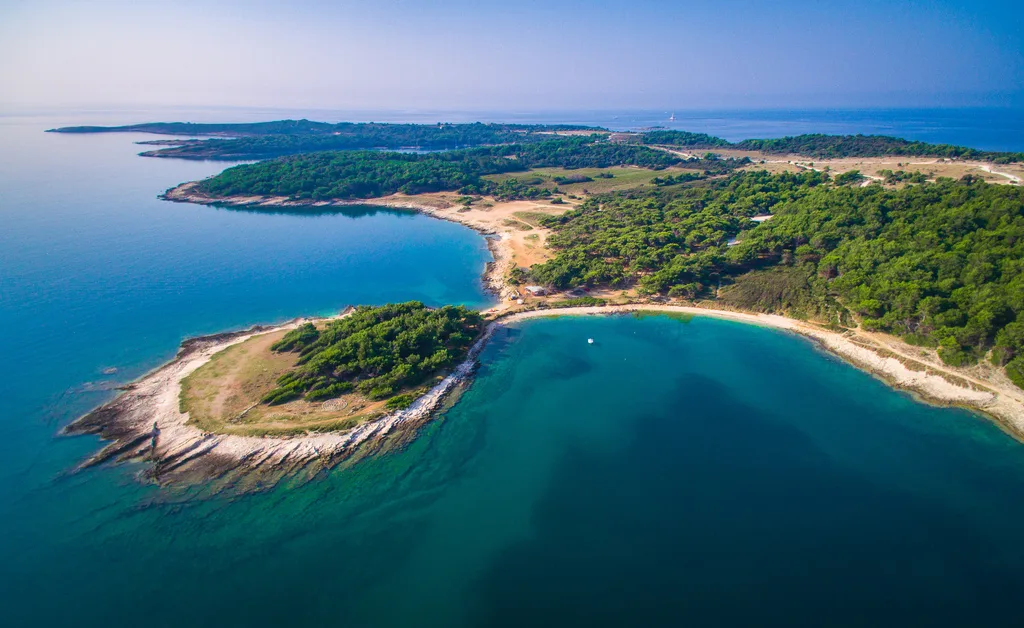
Istria
Coastal towns, Roman history, hilltop villages, wineries and truffle country make Istria ideal for varied short road trips.
Best for: food, couples, families, culture and road trips
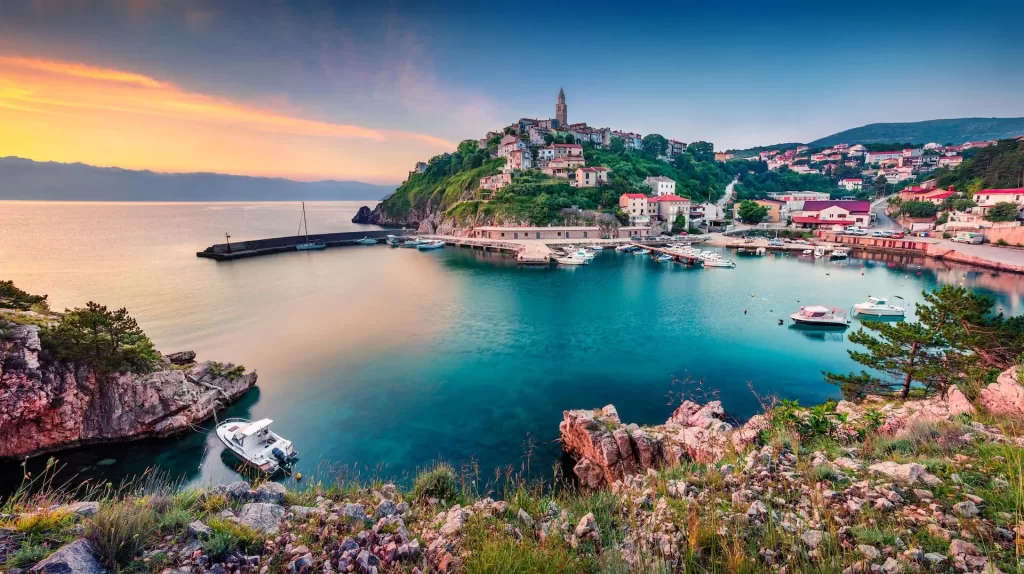
Kvarner
Elegant Riviera towns, large islands and mountain scenery come together in a region that is easy to reach from northern Croatia.
Best for: island hopping, families, hiking and scenic drives
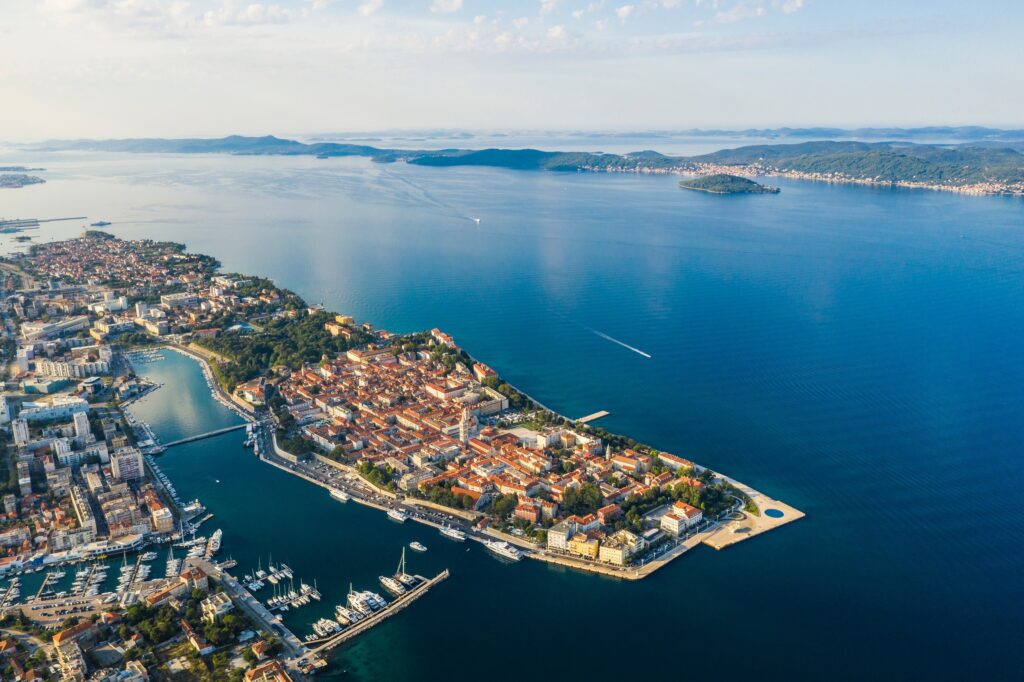
Zadar County
Combine Zadar’s old town with Nin, Pag, Dugi Otok and Paklenica for a balanced mix of coast, islands and outdoor adventures.
Best for: families, beaches, islands, nature and road trips
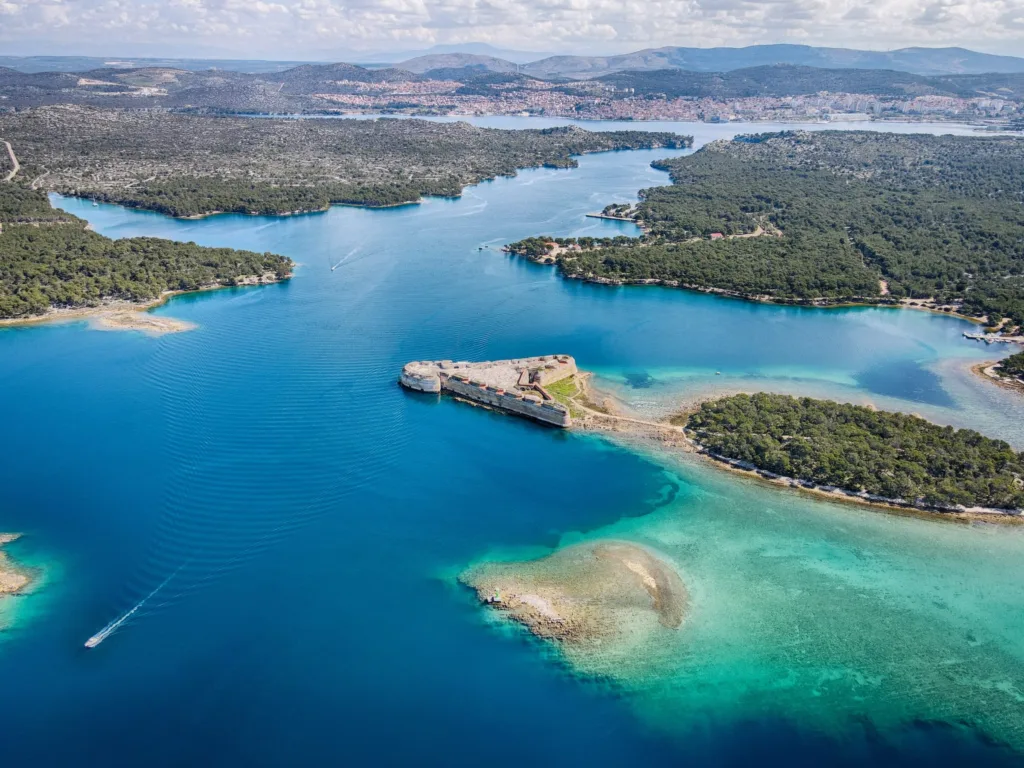
Šibenik-Knin County
Historic Šibenik, Krka’s waterfalls, coastal towns and easy access to Murter and Kornati make this a flexible Dalmatian base.
Best for: nature, boat trips, beaches and cultural breaks
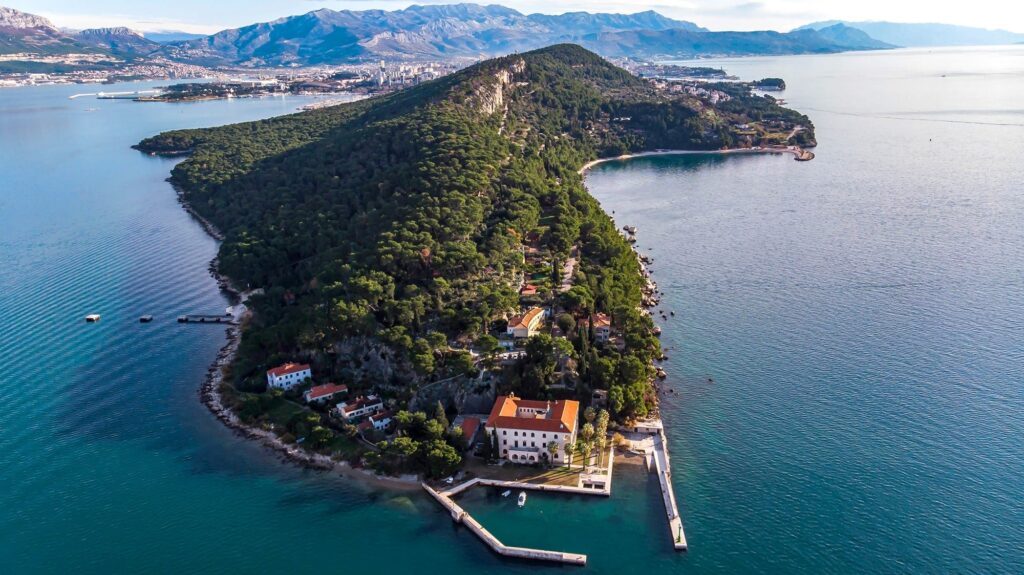
Split-Dalmatia County
Split and Trogir pair naturally with the Makarska Riviera, Biokovo and ferry trips to Brač, Hvar and Šolta.
Best for: first visits, island hopping, couples and families
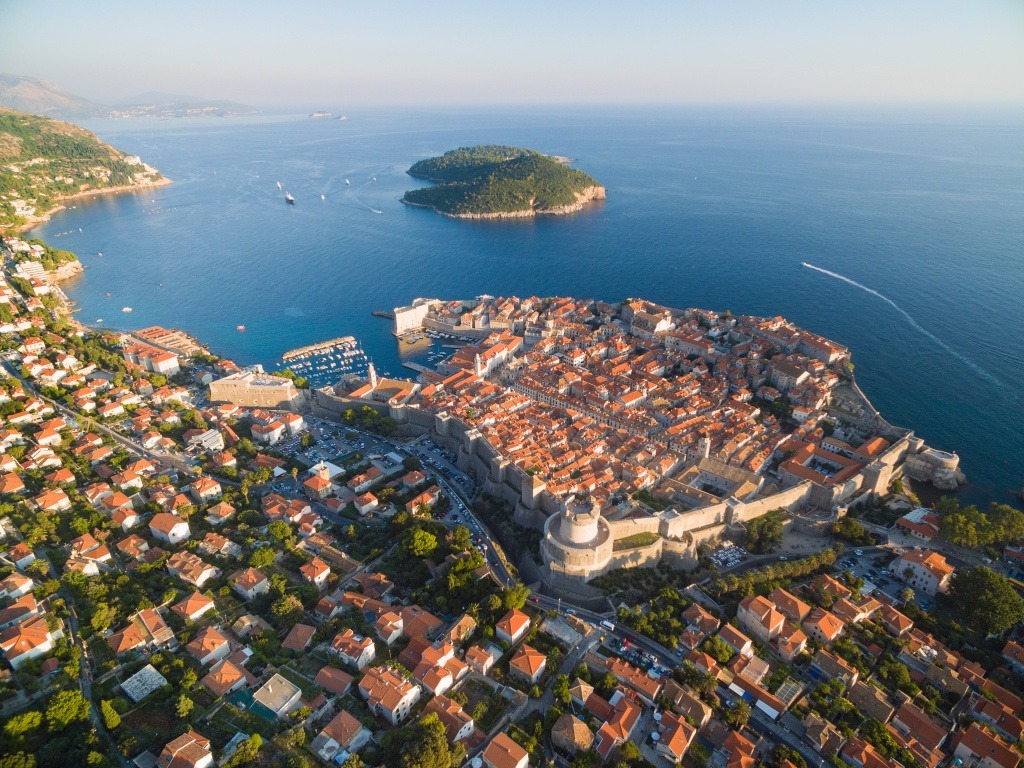
Dubrovnik-Neretva County
Explore Dubrovnik, Cavtat, Korčula, Mljet and Pelješac for old towns, islands, wine routes and dramatic southern scenery.
Best for: history, islands, wine and slower coastal trips
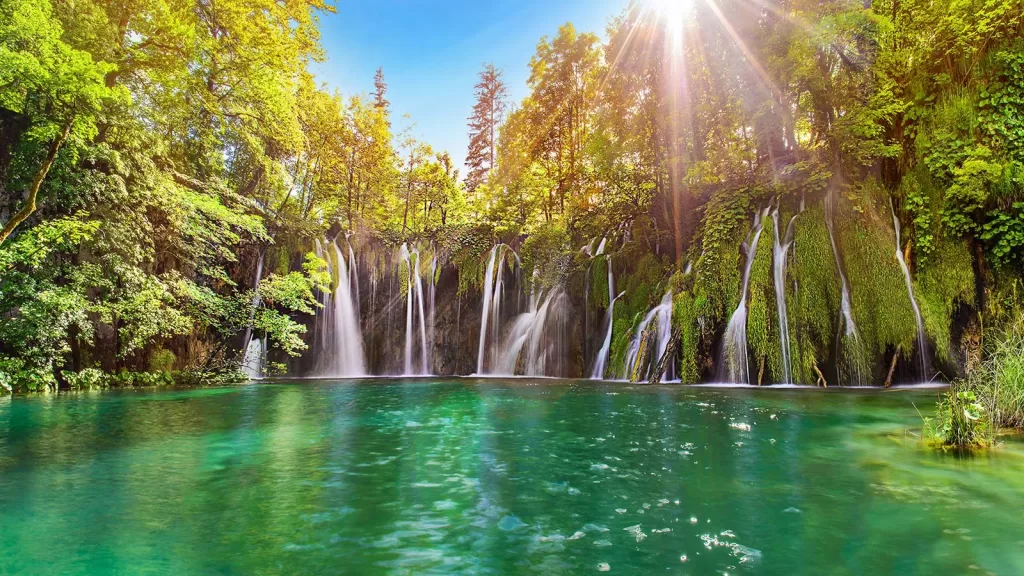
Lika and Karlovac
Plitvice Lakes, Rastoke, river landscapes and Velebit trails make this inland region a natural stop between Zagreb and the coast.
Best for: nature, hiking, national parks and road trips
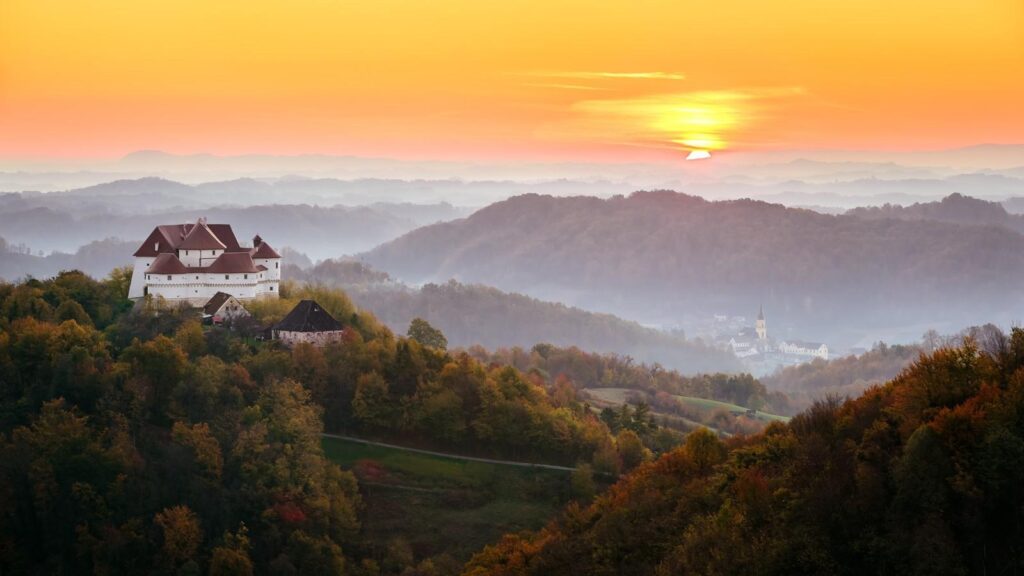
Zagreb and Central Croatia
Zagreb, Samobor, Zagorje, castles, wine hills and thermal spas offer an easy alternative to a coast-focused itinerary.
Best for: city breaks, culture, food and shoulder seasons
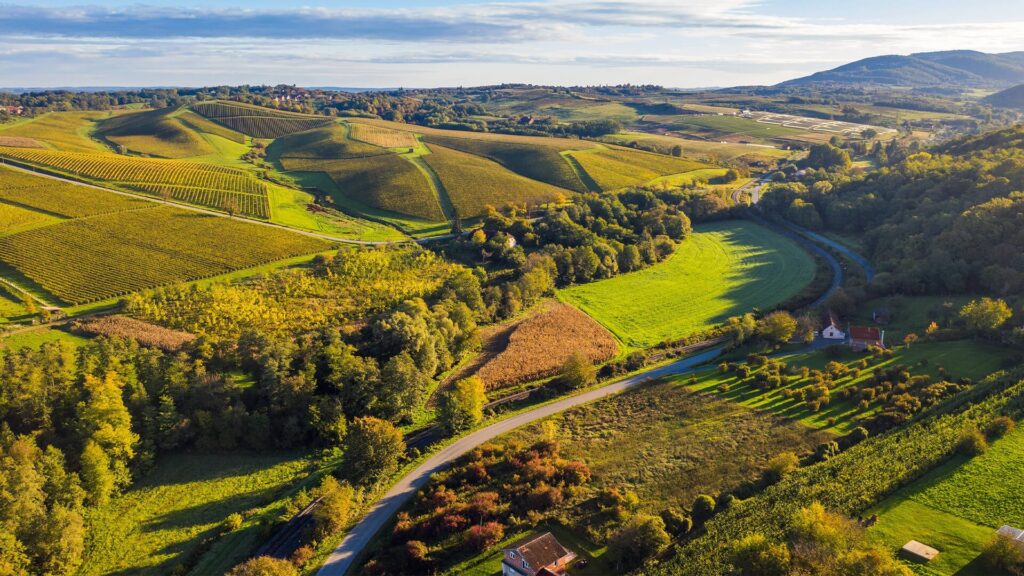
Slavonia and Eastern Croatia
Rivers, wetlands, wine roads and historic towns reveal a quieter side of Croatia around Osijek, Kopački Rit, Vukovar and Ilok.
Best for: slow travel, food, wine, nature and culture
Best Islands in Croatia
Choose an island based on access, atmosphere and what you want to do. Hvar and Pag are livelier, Brač, Krk and Rab work well for families, while Mljet, Cres, Dugi Otok and Lastovo suit nature-focused and quieter stays.
Compare the islands below, then open the full guide for beaches, bases, transport and trip ideas.
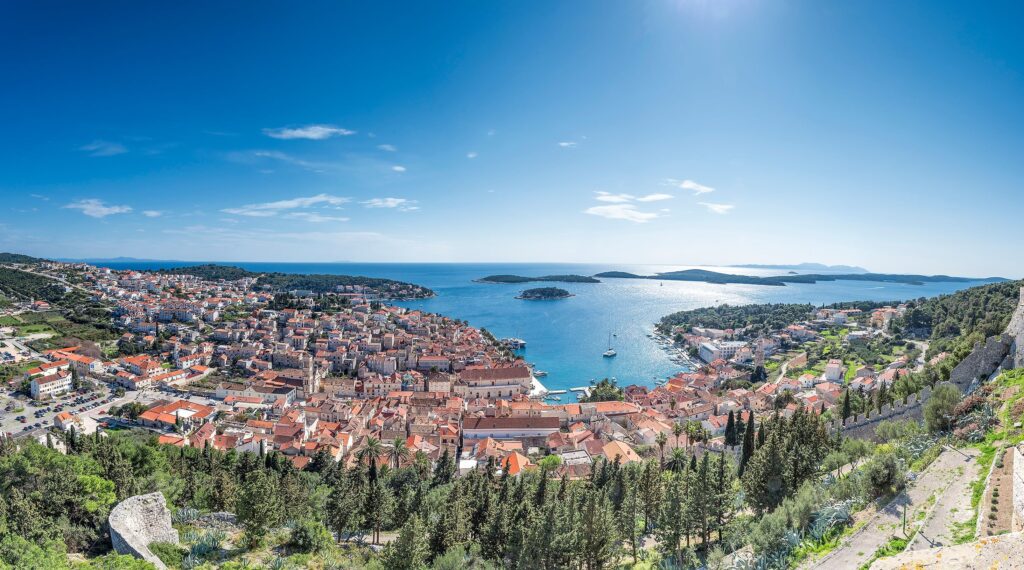
Hvar
Hvar combines an elegant old town, sea views, beaches, the nearby Pakleni Islands and a lively summer atmosphere.
Best for: couples, nightlife, beaches and boat trips
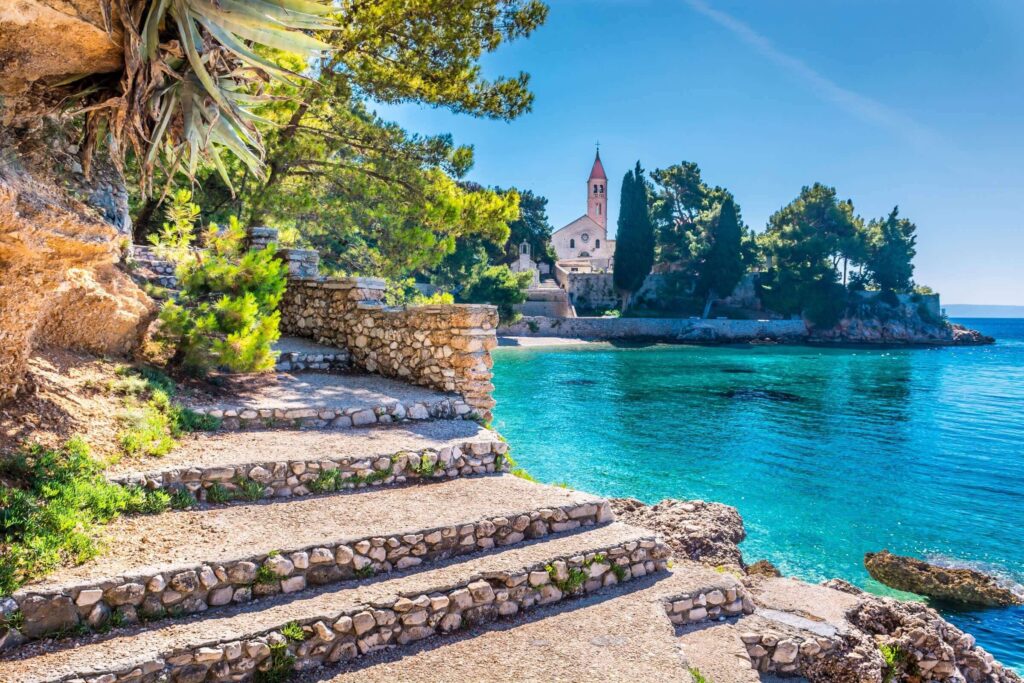
Brač
Frequent ferries, family-friendly towns, Zlatni Rat and quieter inland villages make Brač a practical and varied island choice.
Best for: families, beaches, easy ferries and active holidays
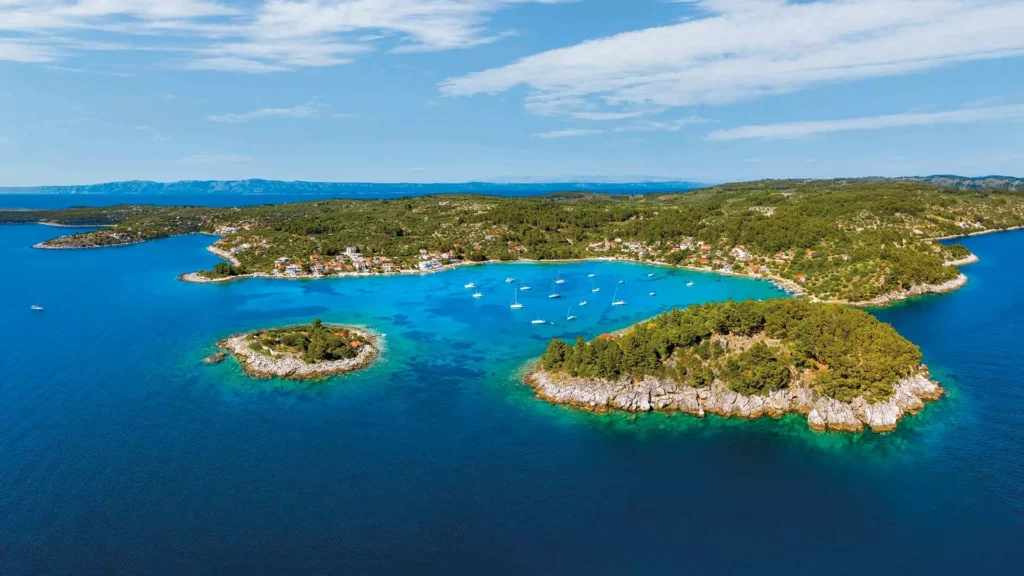
Korčula
Korčula pairs an atmospheric old town with wine villages, beaches and a slower island rhythm.
Best for: couples, wine, culture and slow travel
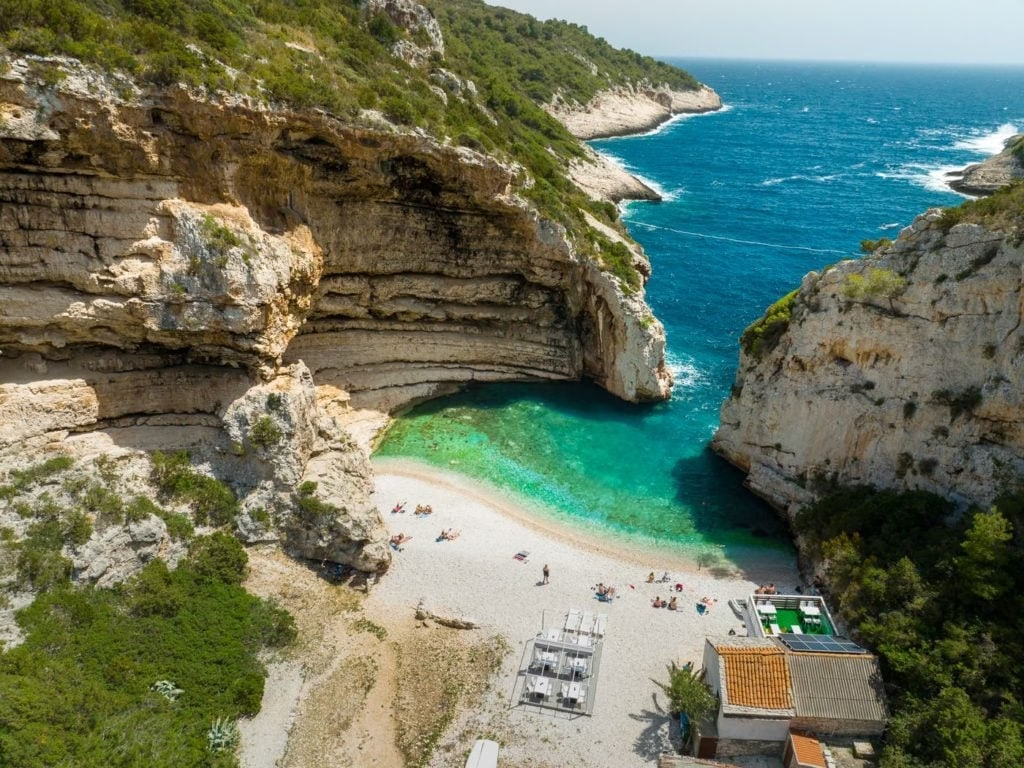
Vis
Remote coves, relaxed villages, boat trips, military history and access to the Blue Cave give Vis a distinctive island character.
Best for: couples, boat trips, quiet beaches and relaxed stays
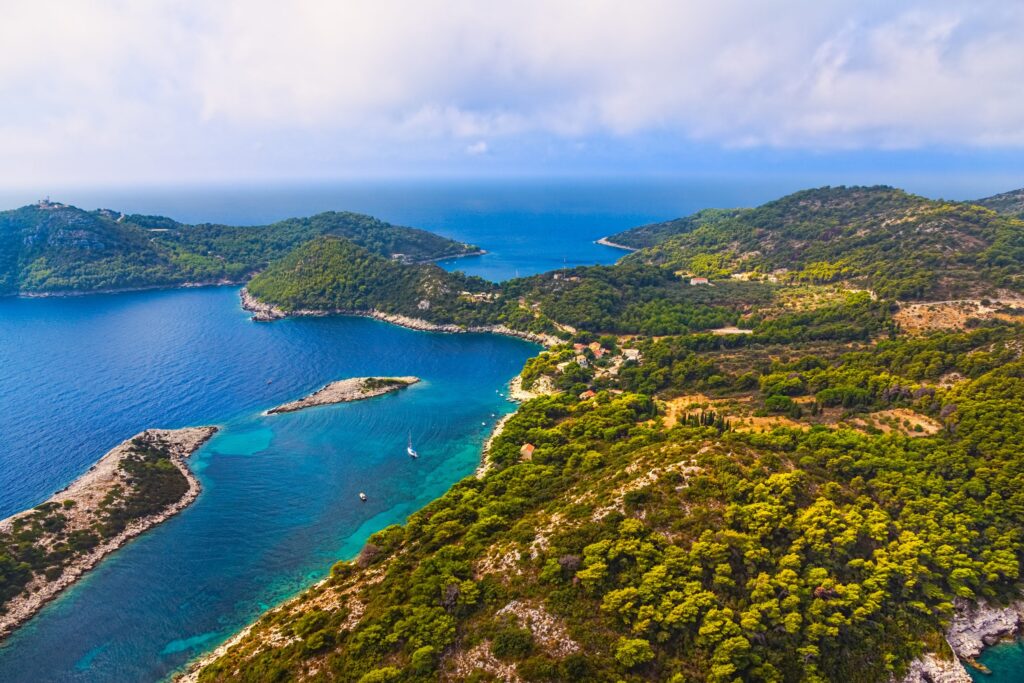
Mljet
Mljet National Park, saltwater lakes, pine forests and peaceful villages make this one of Croatia’s strongest nature islands.
Best for: nature, hiking, cycling, swimming and quiet escapes
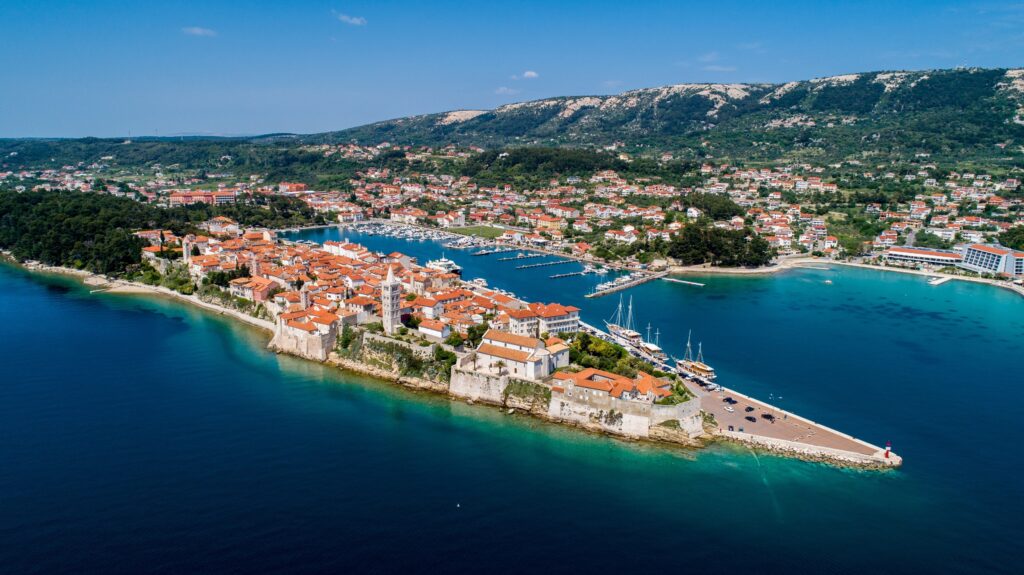
Rab
Rab combines a historic old town with the sandy beaches of Lopar and family-friendly summer resorts.
Best for: families, sandy beaches, old towns and summer holidays
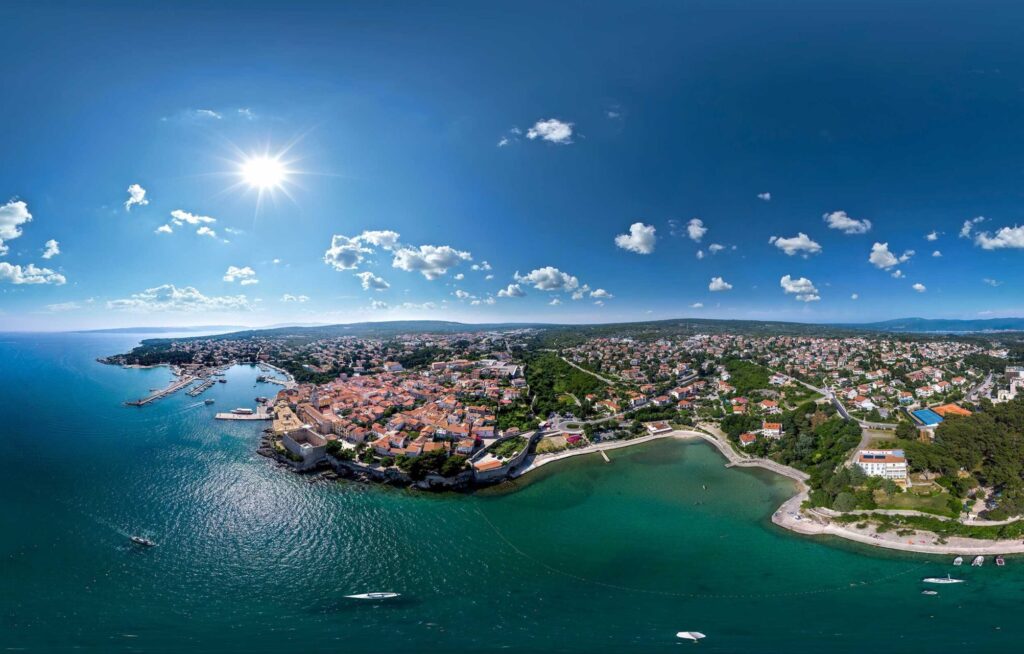
Krk
Connected to the mainland by bridge, Krk offers easy access, historic towns, beaches, wine and varied family bases.
Best for: easy access, families, road trips and beaches
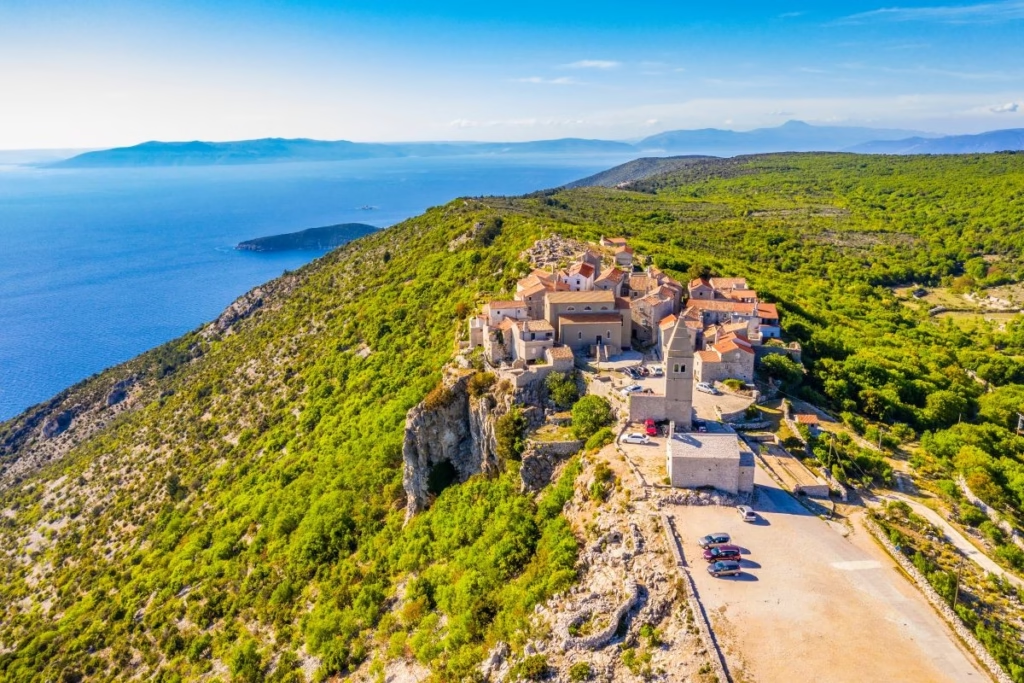
Cres
Cres offers old towns, viewpoints, hidden coves and a wilder, quieter atmosphere than Croatia’s busiest islands.
Best for: nature, quiet beaches, road trips and couples
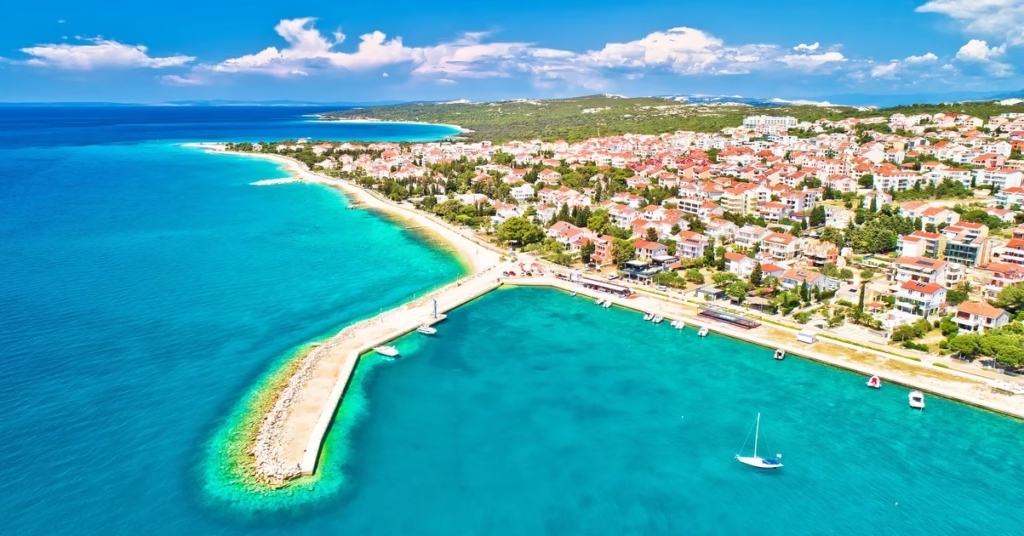
Pag
Pag stands out for lunar landscapes, beaches, cheese and salt heritage, with nightlife around Novalja and quieter family areas elsewhere.
Best for: beaches, nightlife, food and unusual landscapes
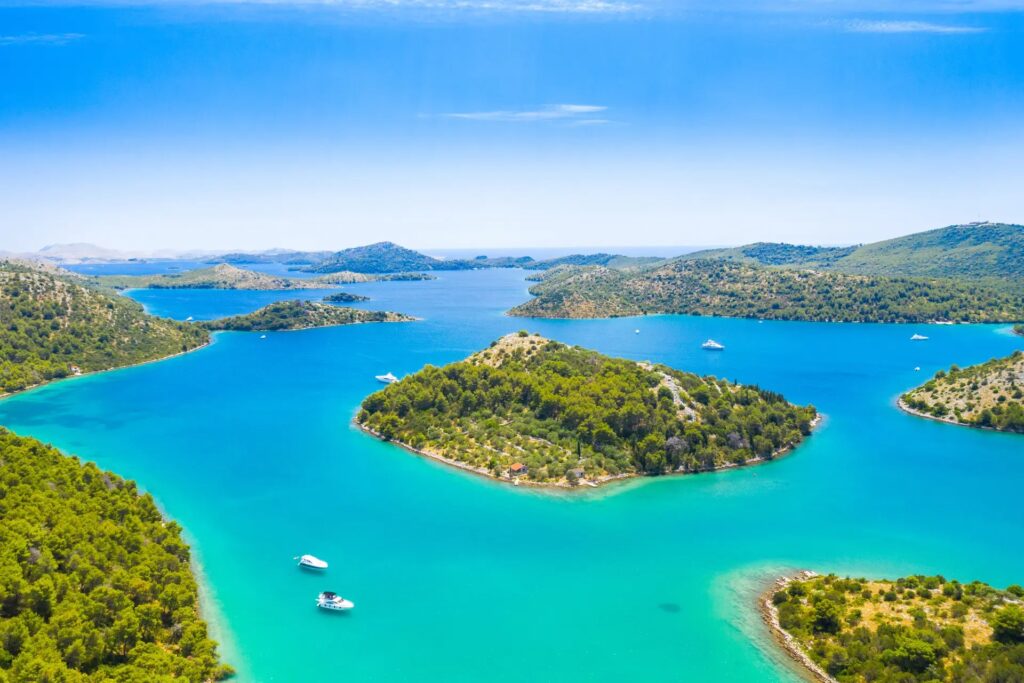
Dugi Otok
Dramatic cliffs, quiet villages, Telašćica Nature Park and Sakarun Beach make Dugi Otok a rewarding escape from Zadar.
Best for: nature, beaches, Zadar day trips and slow stays
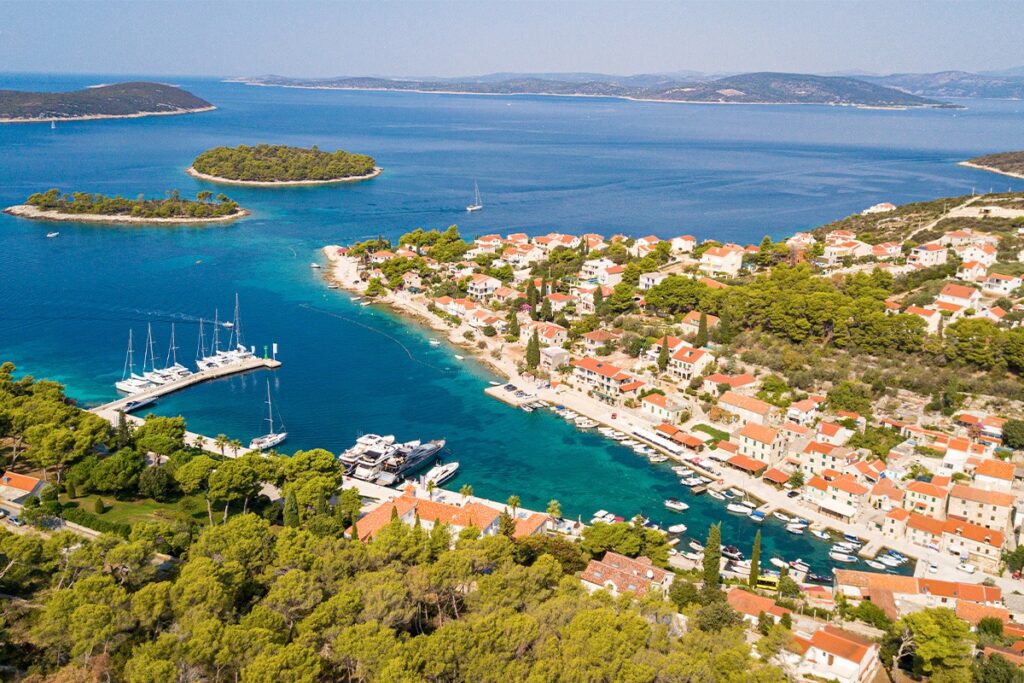
Šolta
Small harbours, quiet coves and easy ferry access from Split make Šolta a simple alternative to busier nearby islands.
Best for: couples, short trips and quiet island escapes
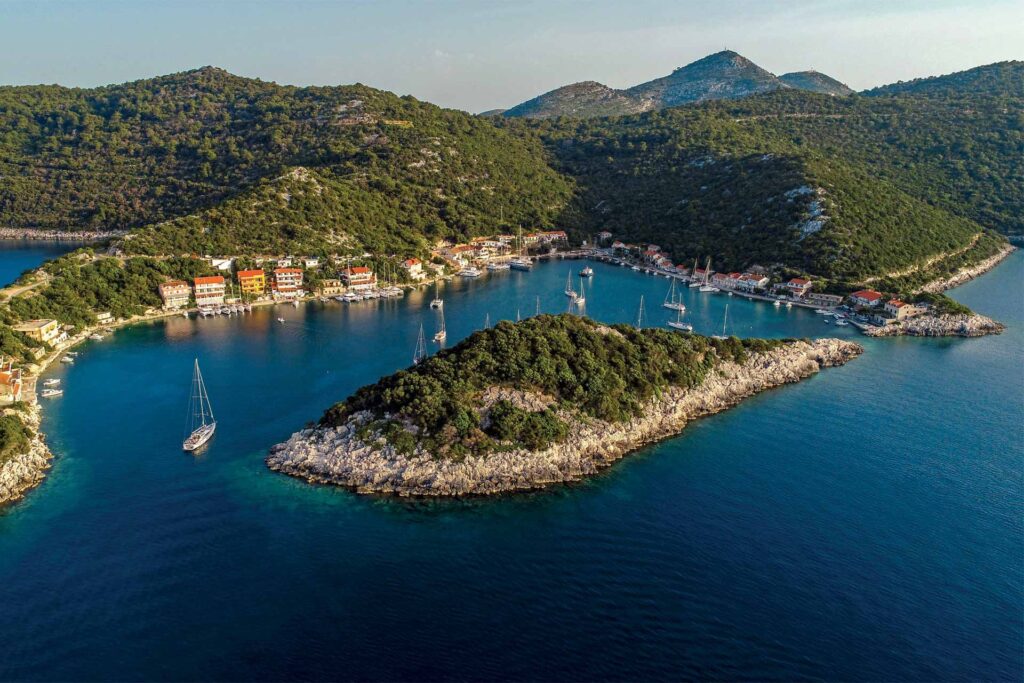
Lastovo
Remote Lastovo offers protected nature, dark skies, quiet bays, hiking and a far-from-the-crowds atmosphere.
Best for: nature, stargazing, slow travel and remote stays
Best Cities and Towns to Visit in Croatia
Choose a city based on the trip you want. Dubrovnik and Split suit iconic first visits, Zadar, Šibenik and Trogir make compact coastal bases, Rovinj and Pula open up Istria, while Zagreb and Opatija work well beyond peak summer.
Compare atmosphere, nearby day trips and travel styles below, then open the full destination guide.
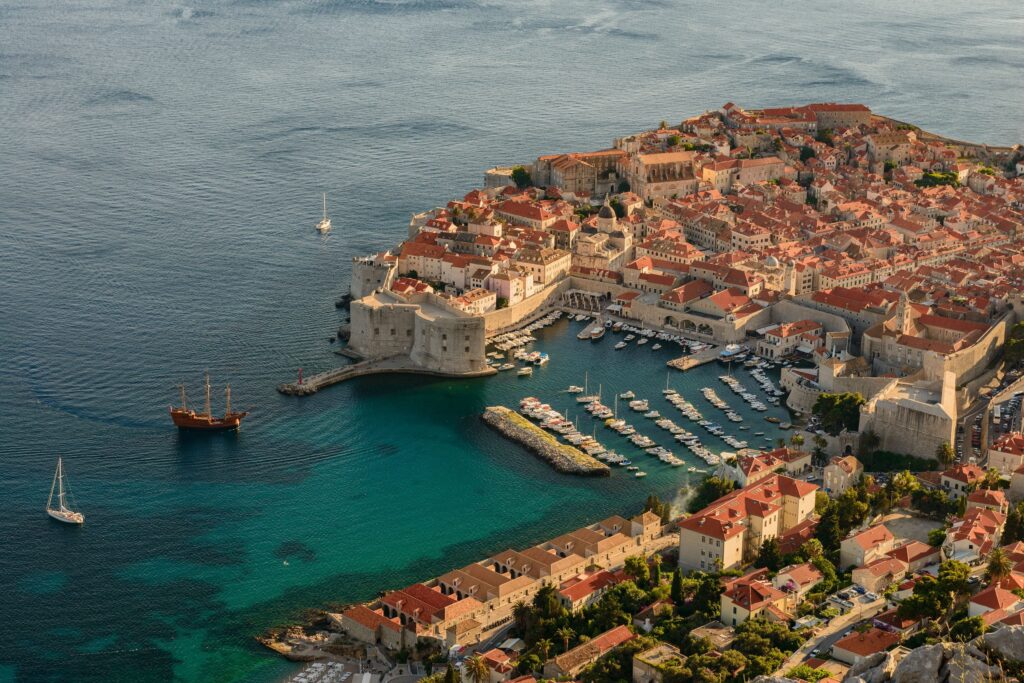
Dubrovnik
Croatia’s best-known city pairs medieval walls, an atmospheric old town, sea views and easy island day trips.
Best for: first visits, history, couples and island trips
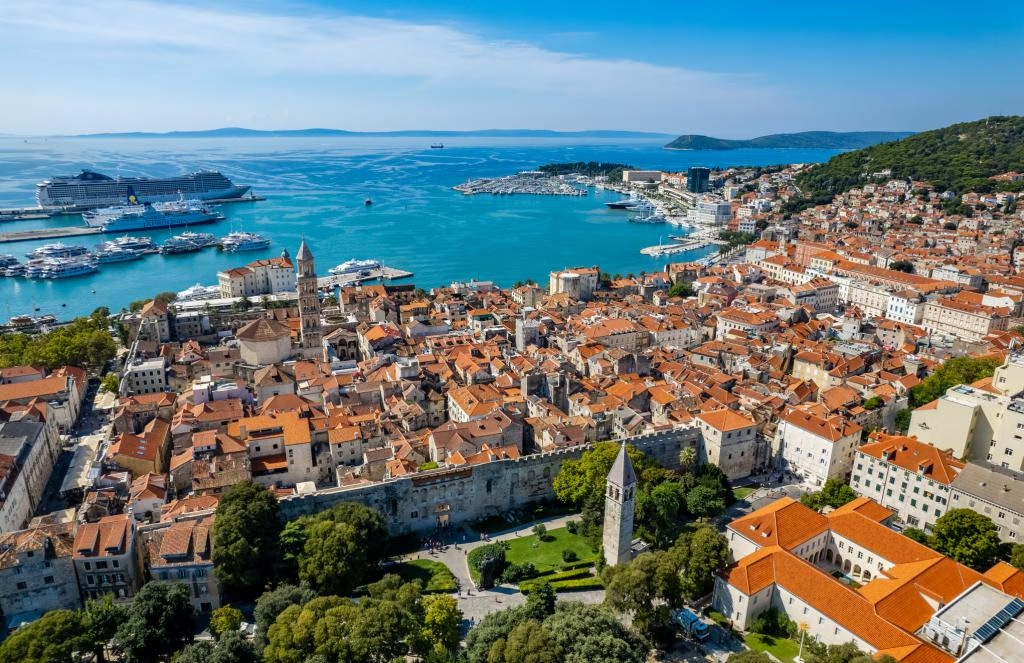
Split
Diocletian’s Palace, ferries, beaches and nearby day trips make Split a practical base for combining city life with the islands.
Best for: first visits, islands, culture and beaches
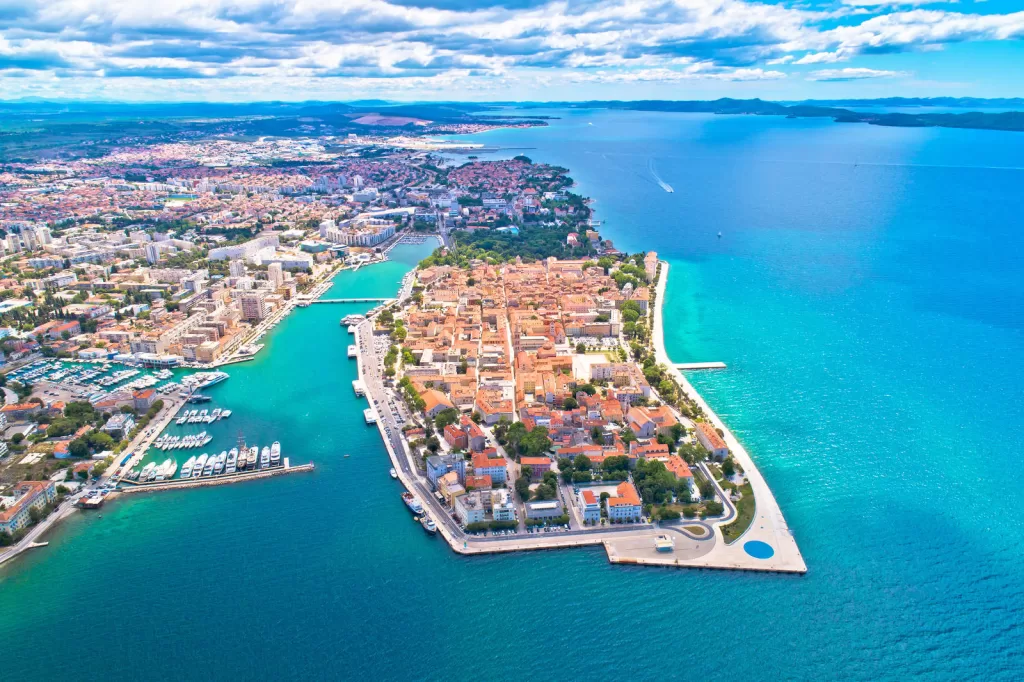
Zadar
Zadar offers old-town atmosphere, memorable sunsets and easy access to Nin, Pag, nearby islands and Paklenica.
Best for: sunsets, island trips, families and nature
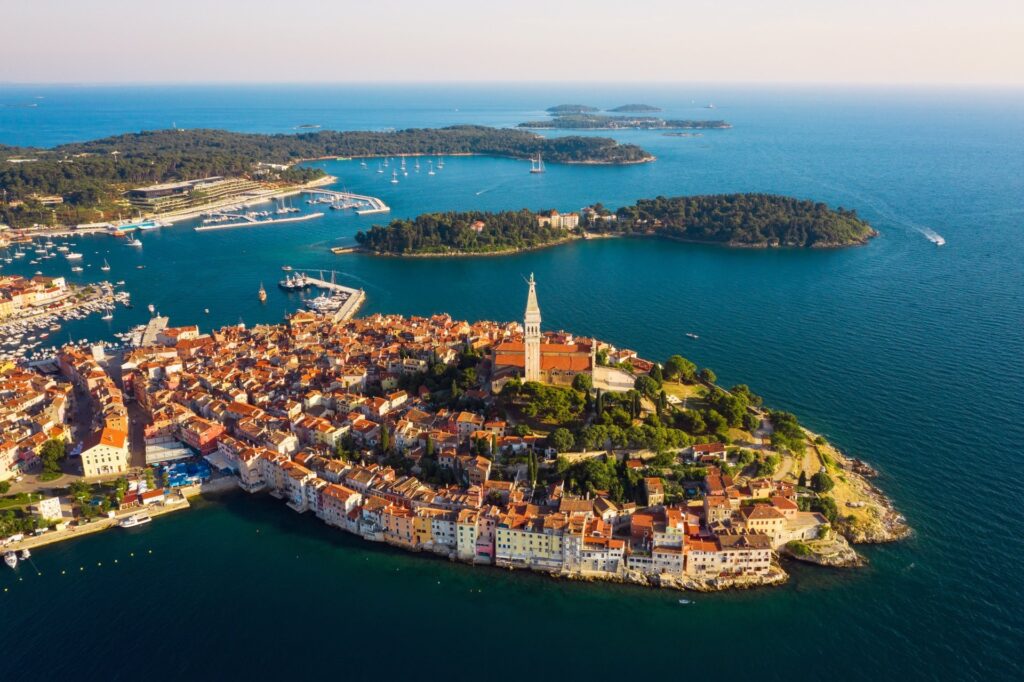
Rovinj
A colourful harbour, compact old town, beaches and excellent Istrian day trips make Rovinj especially appealing for relaxed stays.
Best for: couples, old towns, food and coastal breaks
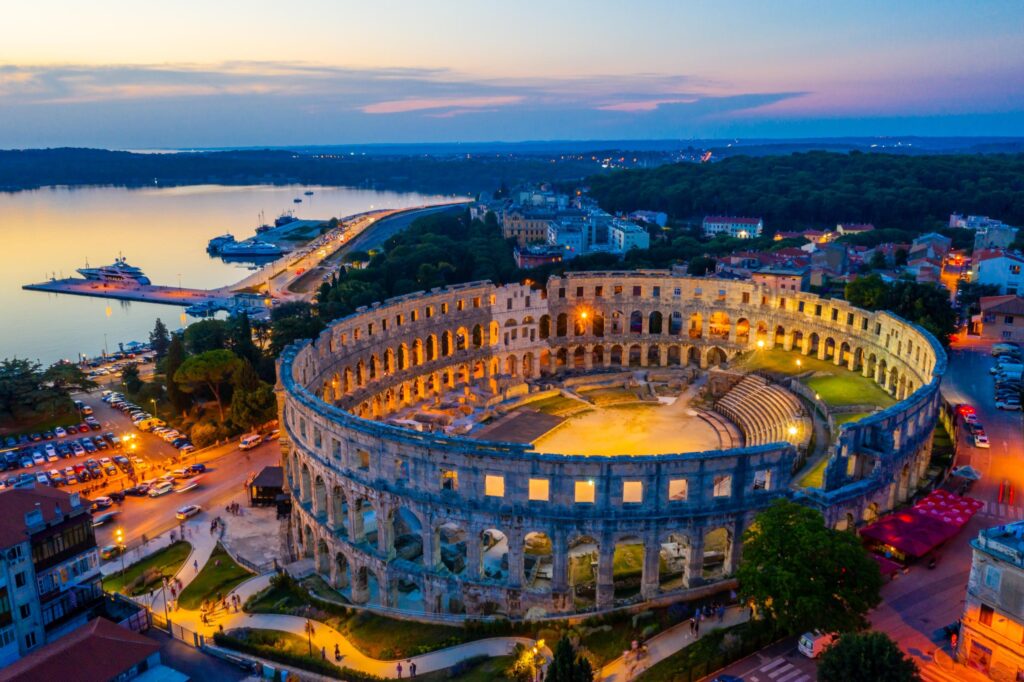
Pula
Pula combines its Roman amphitheatre with beaches, Cape Kamenjak, Brijuni and convenient access to southern Istria.
Best for: Roman history, beaches, families and road trips
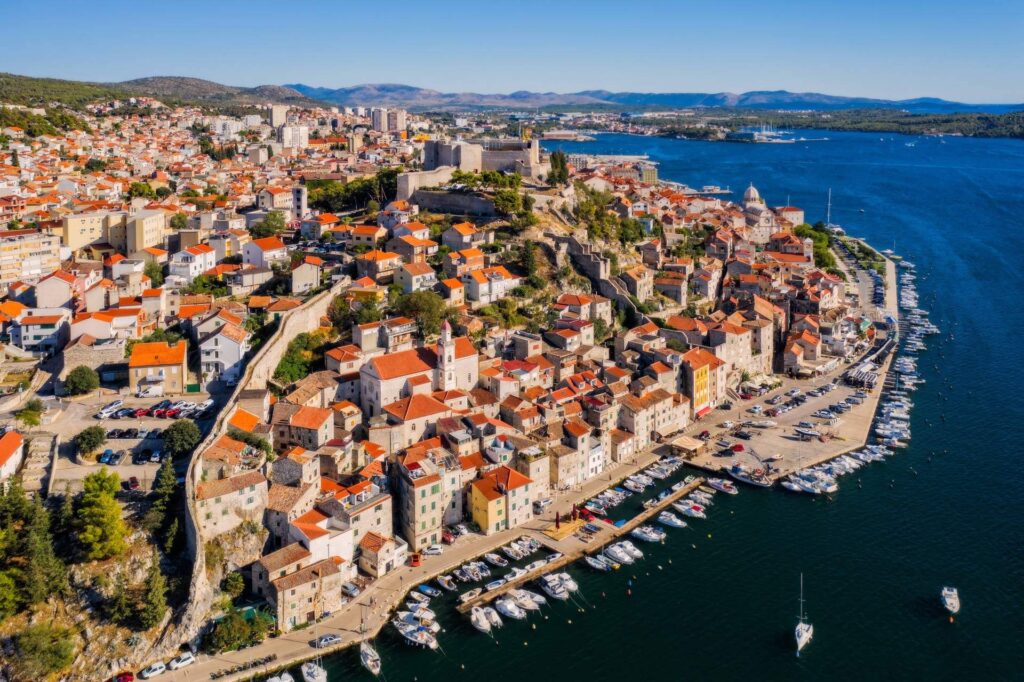
Šibenik
UNESCO heritage, a historic old town, nearby beaches and easy Krka access make Šibenik a strong alternative to larger Dalmatian cities.
Best for: culture, Krka day trips, beaches and quieter stays
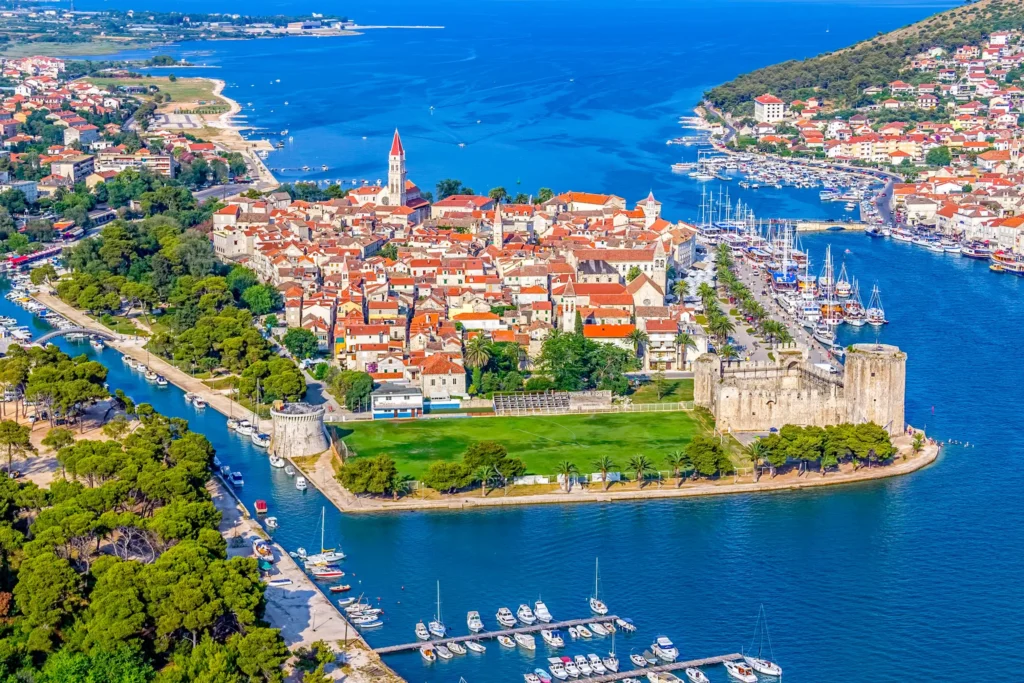
Trogir
Compact, UNESCO-listed Trogir is close to Split Airport, nearby beaches and Split, making it ideal for shorter coastal stays.
Best for: short stays, couples, old towns and easy access
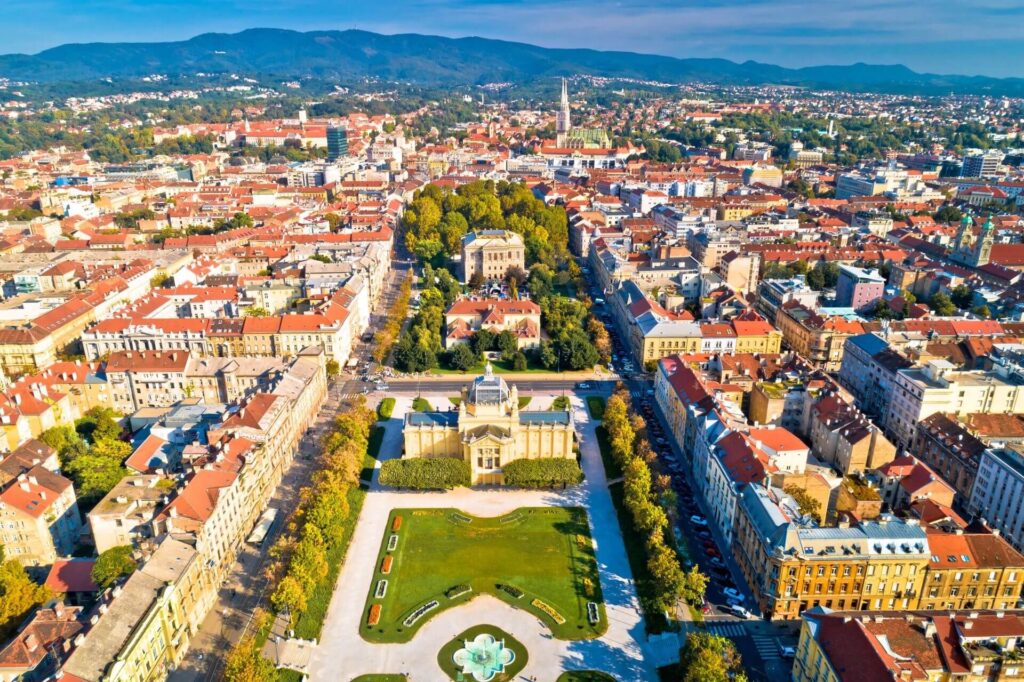
Zagreb
Croatia’s capital offers museums, markets, cafés, food and a lively year-round city-break atmosphere.
Best for: city breaks, museums, food and year-round travel
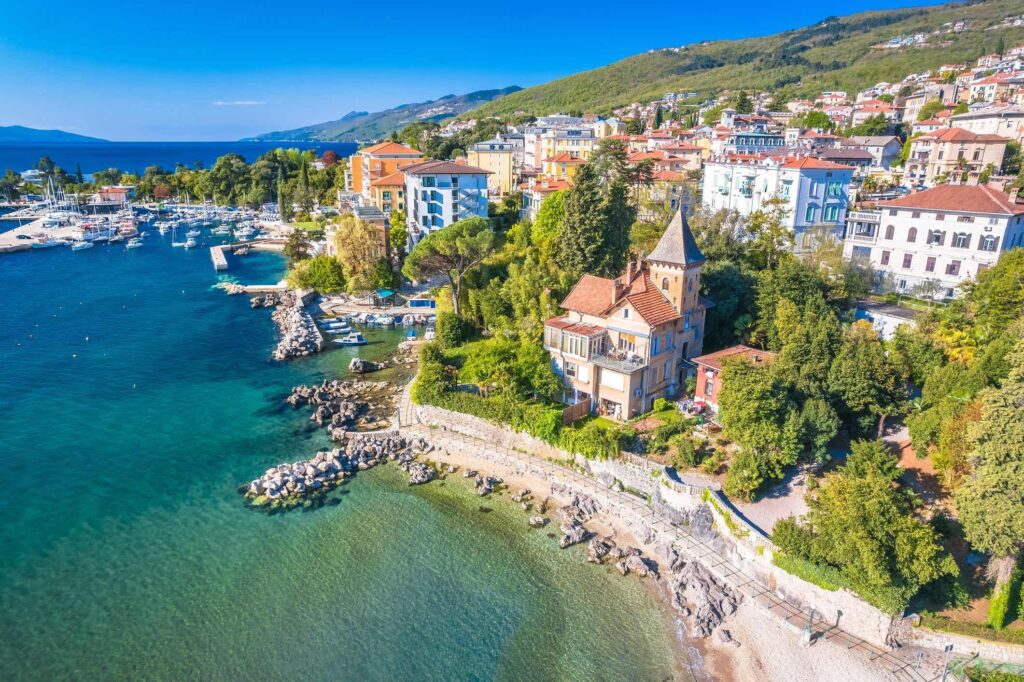
Opatija
Elegant villas, seafront walks, wellness hotels and access to Kvarner and Istria define Opatija’s classic Riviera character.
Best for: couples, wellness, coastal walks and relaxed stays
Croatia National Parks
Croatia’s national parks range from waterfall landscapes and mountain canyons to protected islands and marine scenery. Choose Plitvice or Krka for waterfalls, Paklenica for hiking, or Brijuni, Mljet and Kornati for island-focused experiences.
Open each guide for routes, access, nearby bases and practical trip-planning details.
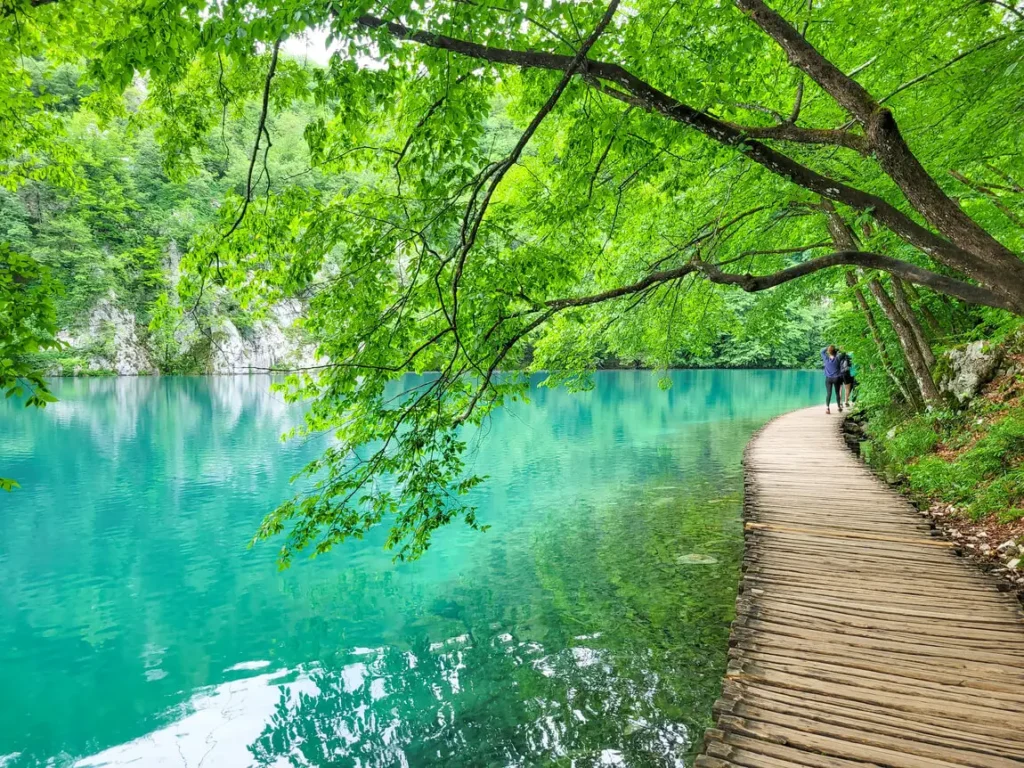
Plitvice Lakes National Park
Turquoise lakes, waterfalls and wooden walking routes make Plitvice Croatia’s most famous national park.
Best for: waterfalls, first visits, nature and scenic walks
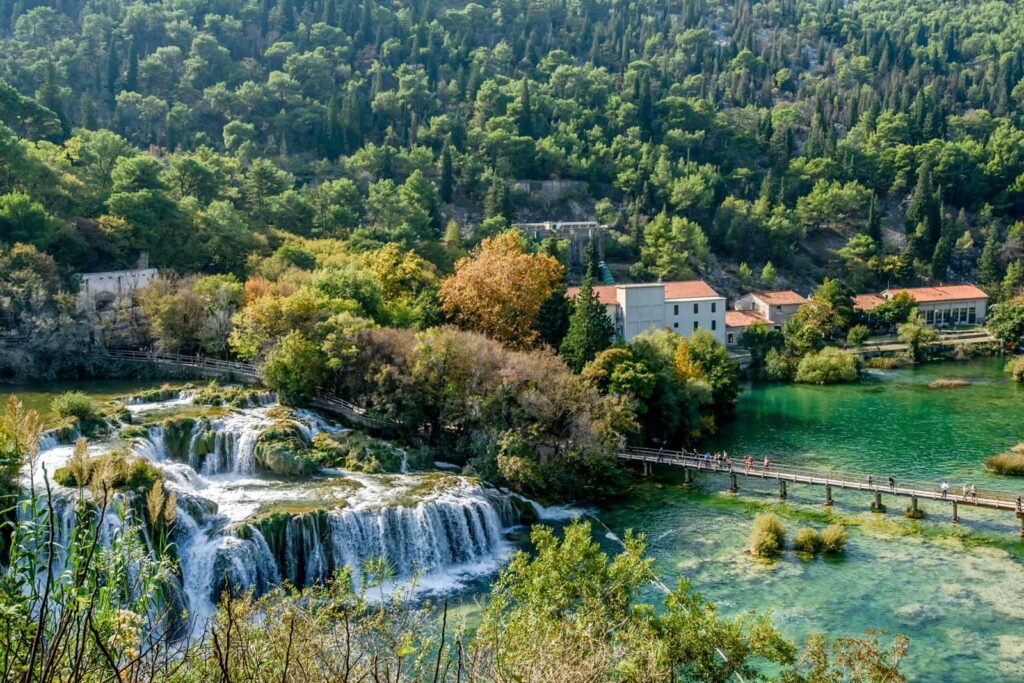
Krka National Park
Krka combines waterfalls, river scenery, viewpoints and cultural sites with easy access from Šibenik, Split and Zadar.
Best for: waterfalls, day trips, families and culture
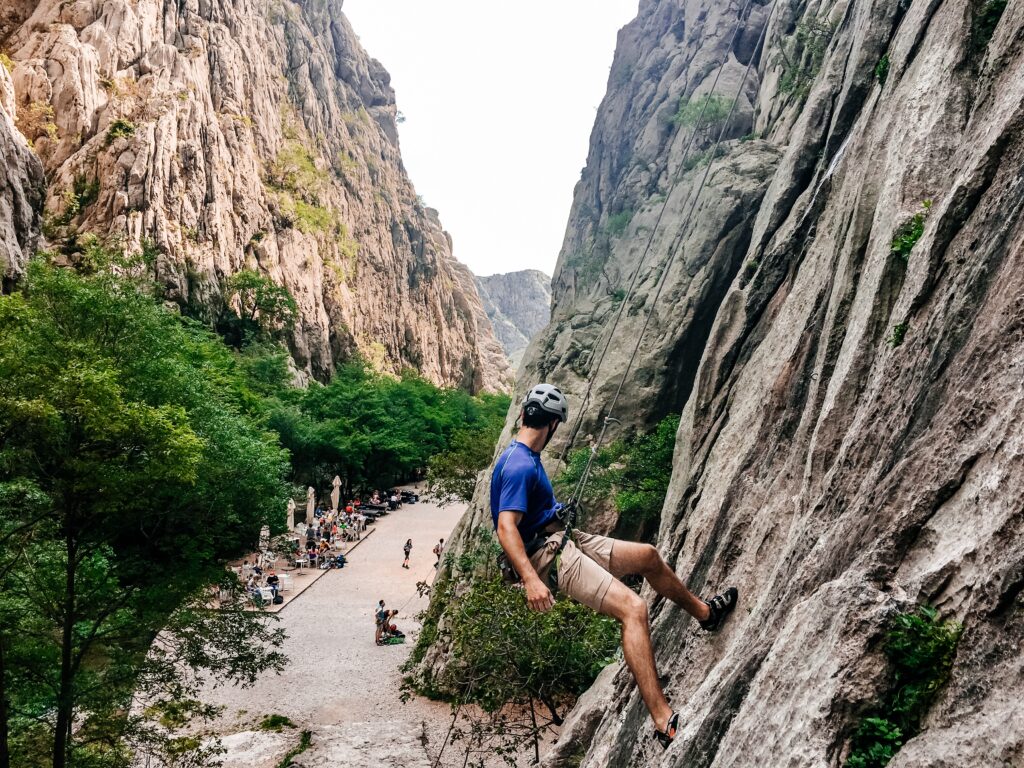
Paklenica National Park
Dramatic canyons near Starigrad make Paklenica one of Croatia’s leading destinations for hiking and climbing.
Best for: hiking, climbing, canyons and outdoor trips
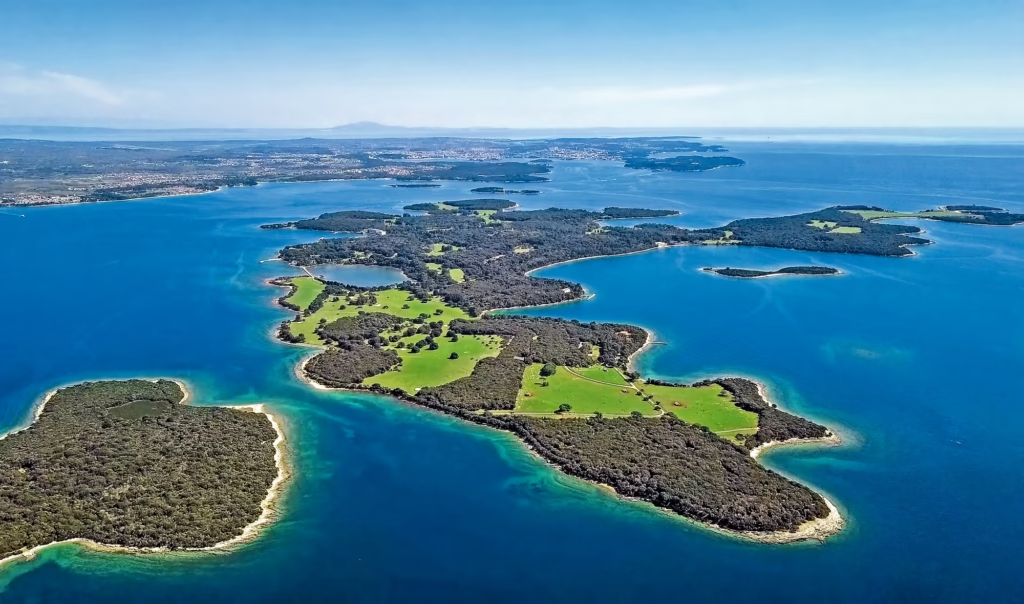
Brijuni National Park
This protected Istrian island group blends nature and history with simple boat access from Fažana.
Best for: history, nature, families and Pula day trips
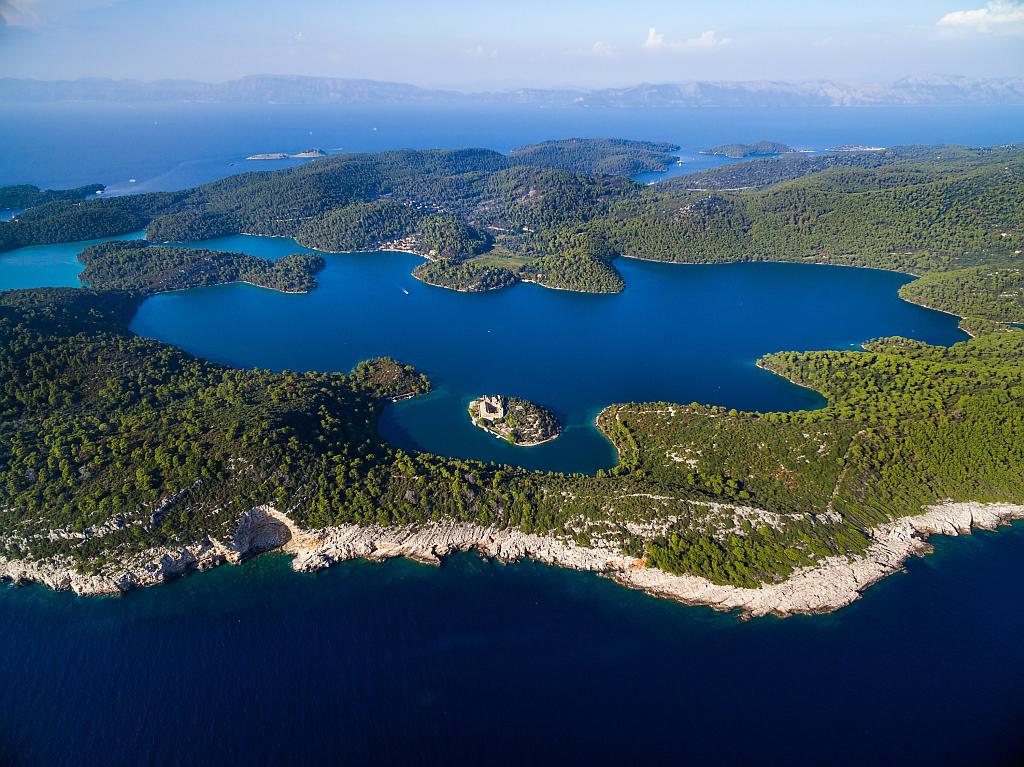
Mljet National Park
Saltwater lakes, forested paths and peaceful swimming areas make Mljet ideal for a slower nature-focused island day.
Best for: nature, hiking, swimming and slow travel
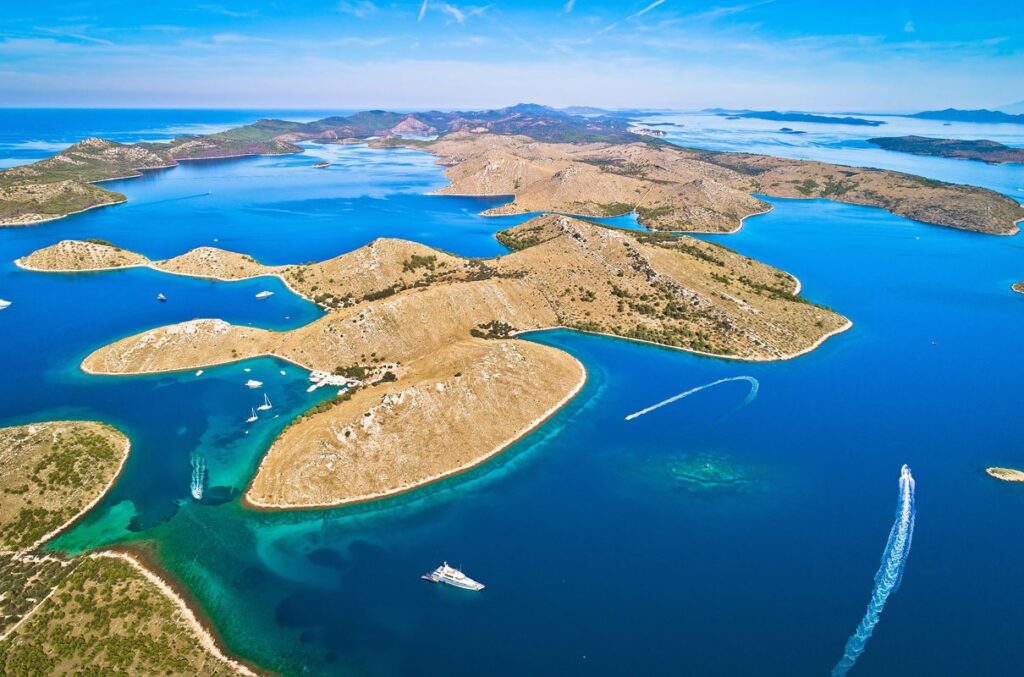
Kornati National Park
Kornati’s rocky archipelago is best experienced by boat from Murter, Zadar or Šibenik.
Best for: sailing, boat trips, sea views and island scenery
Nature Parks and Outdoor Escapes
Croatia’s nature parks add mountain viewpoints, wetlands, island cliffs, lakes and quieter trails to a coastal itinerary. They work especially well as day trips or slower outdoor stops between major destinations.
Use the cards below to compare landscapes, activities and the most convenient nearby bases.
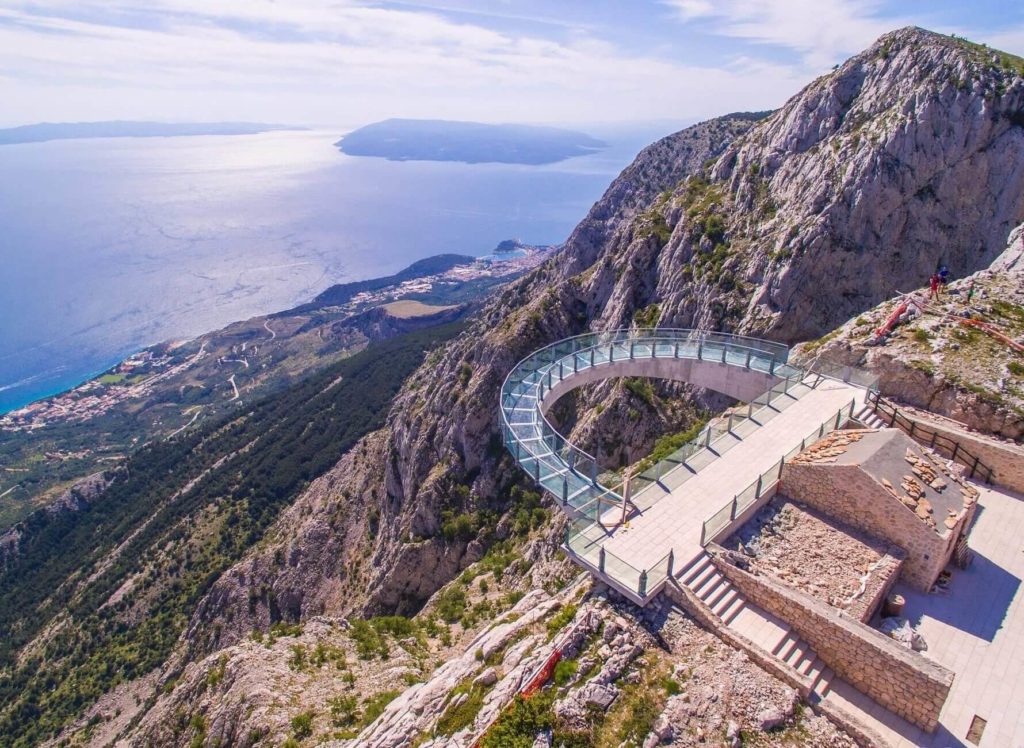
Biokovo Nature Park
Biokovo rises above the Makarska Riviera with dramatic viewpoints and mountain scenery close to the coast.
Best for: viewpoints, mountains, road trips and adventure
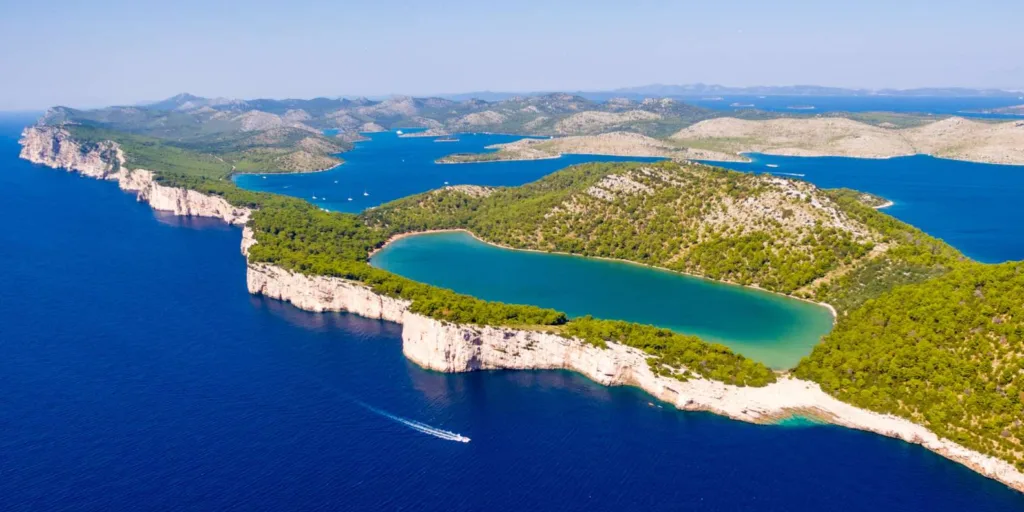
Telašćica Nature Park
Cliffs, salt-lake scenery and quiet island landscapes make Telašćica one of Dugi Otok’s main natural highlights.
Best for: boat trips, cliffs, nature and island stays
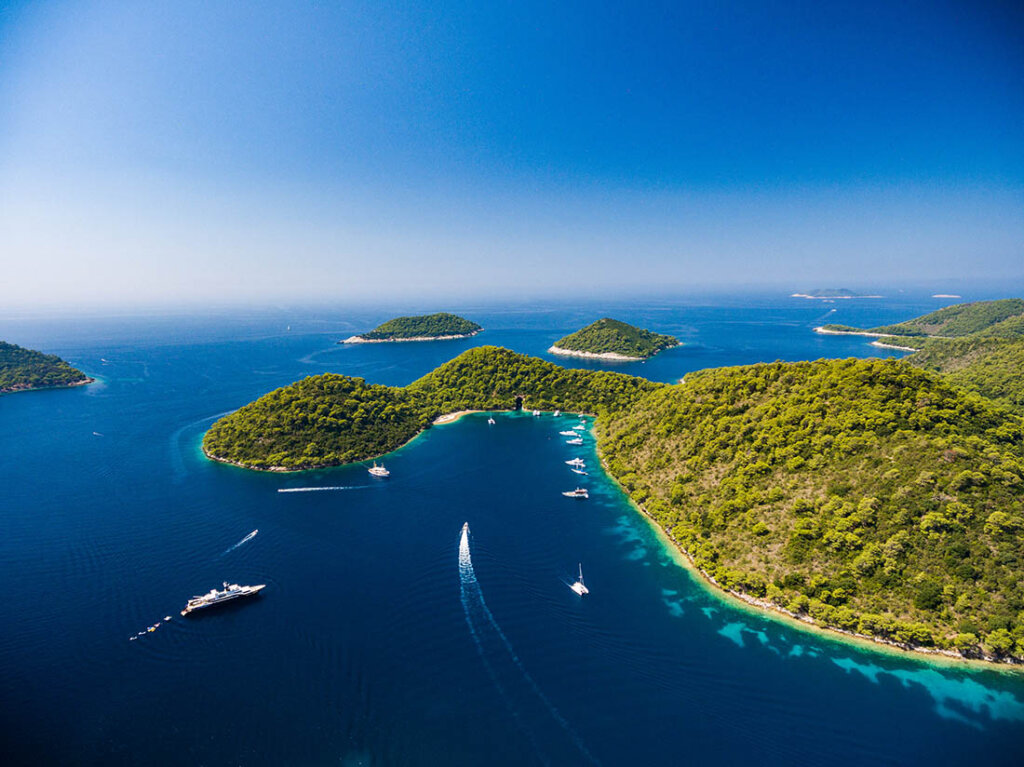
Lastovo Islands Nature Park
Protected islands, quiet bays, walking routes and dark skies reward travellers seeking a remote Adriatic escape.
Best for: quiet bays, hiking, stargazing and slow travel
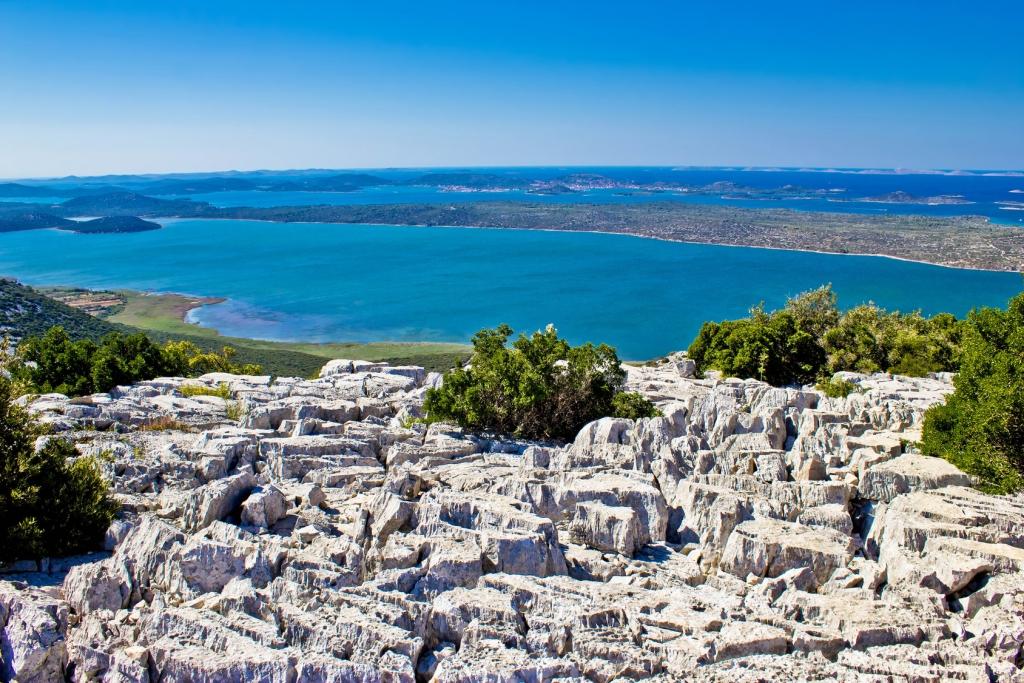
Vransko Lake Nature Park
Between Zadar and Šibenik, Vransko Lake offers birdwatching, cycling and viewpoints away from the beach crowds.
Best for: birdwatching, cycling, viewpoints and easy stops
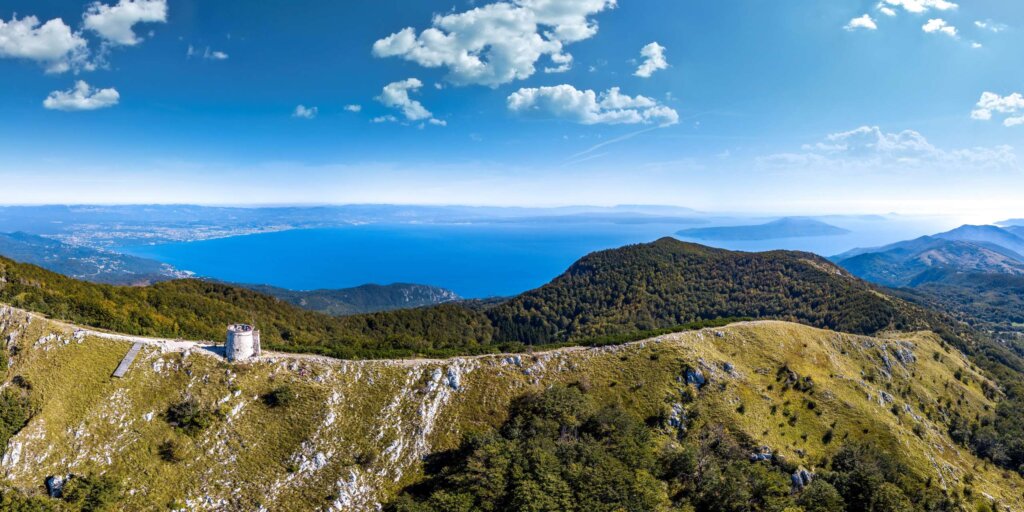
Učka Nature Park
Hiking routes and broad viewpoints above Opatija connect the landscapes of eastern Istria and Kvarner.
Best for: hiking, viewpoints and Istria–Kvarner day trips
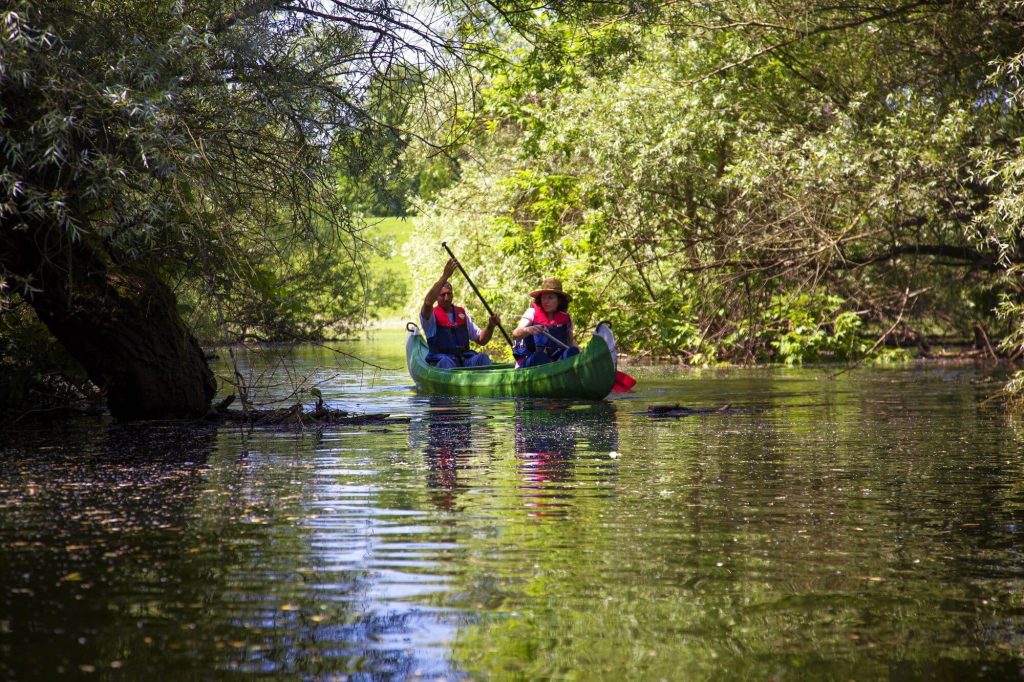
Kopački Rit Nature Park
Near Osijek, Kopački Rit protects a major wetland landscape shaped by the Drava and Danube rivers.
Best for: birdwatching, wetlands, boat tours and Slavonia trips
Where to Stay in Croatia
Your base shapes the entire trip. Choose an area that fits your transport, beach access, day trips and travel style, then compare accommodation options.
First-time visits
Split, Dubrovnik, Zadar, Rovinj and the Plitvice Lakes area combine major sights with practical transport and day trips.
Beach holidays
Consider Rab, Brač, the Makarska Riviera, Pag, Dugi Otok, Murter or Istria for easy access to the sea.
Families
Istria, Zadar County, Rab, the Šibenik area and Split-Dalmatia offer practical bases, apartments and varied short trips.
Couples
Rovinj, Korčula, Hvar, Opatija, Cavtat and Trogir pair old towns and sea views with restaurants and relaxed walks.
Nature escapes
Plitvice, Paklenica, Mljet, Lastovo, Biokovo and Northern Velebit suit hiking, viewpoints and quieter stays.
FAQ About Croatia Travel Destinations
Quick answers to the most common questions about choosing a destination, region or island in Croatia.
What is the best destination in Croatia for first-time visitors?
Dubrovnik, Split, Zadar, Rovinj and Plitvice Lakes are strong first choices. Together they cover historic cities, coastal scenery, beaches, nature and practical day trips.
Which part of Croatia is best for beaches?
Rab, Brač, the Makarska Riviera, Pag, Dugi Otok, Murter and parts of Istria are excellent for beach holidays. Rab is known for sandy beaches, while Brač and Makarska offer dramatic Adriatic scenery.
Which Croatian islands are best for a holiday?
Hvar, Brač, Korčula, Vis, Mljet, Rab, Krk and Cres suit different trips. Choose Hvar for a livelier atmosphere, Rab for families, Mljet for nature and Korčula for old-town character and wine.
Is it better to stay in Split or Dubrovnik?
Split is usually better for ferries, island hopping and central Dalmatian day trips. Dubrovnik is better for a dramatic old-town stay and exploring Cavtat, Mljet, Korčula and the Elaphiti Islands.
What is the best region in Croatia for families?
Istria, Zadar County, Rab and the Šibenik area are especially practical for families, with beaches, apartments, manageable drives and varied day trips.
What is the best region in Croatia for couples?
Istria, Kvarner and southern Dalmatia are strong choices. Rovinj, Opatija, Korčula, Hvar, Cavtat and Trogir work particularly well for sea views, restaurants and slower stays.
Which Croatia destinations are best for nature?
Choose Plitvice and Krka for waterfalls, Paklenica and Velebit for hiking, Kornati for boat scenery, or Mljet, Biokovo, Lastovo and Vransko Lake for quieter outdoor experiences.
How many days do you need in Croatia?
Seven to ten days is a good length for a first trip and allows you to explore one main region well. Ten to fourteen days gives more flexibility for a road trip or island-hopping route.