In Croatia, culture is not only stone lanes on the Adriatic coast. Around Zagreb, Hrvatsko Zagorje, Varaždin, Lepoglava and Međimurje, UNESCO-listed songs, crafts and lace tell a different story. Museums, red licitar hearts, wooden toys and folk songs turn Zagreb and the surrounding hills into a gentle cultural corridor. Here, Croatia’s UNESCO traditions live in workshops, village festivals, and baroque streets rather than in grand monuments.
Use this guide to shape a Zagreb and northern Croatia itinerary that links:
Zagreb for museums and licitar hearts
Hrvatsko Zagorje for castles, wooden toys and spa valleys
Varaždin for baroque streets and festivals
Lepoglava for lace and quiet hills
Međimurje for vineyards, cycling and folk songs
You can mix city museums with day trips to castles, vineyards, spa valleys and folk festivals, and still keep journeys short and easy.

Table of Contents
ToggleZagreb: Capital of Culture, Crafts and Licitar Hearts
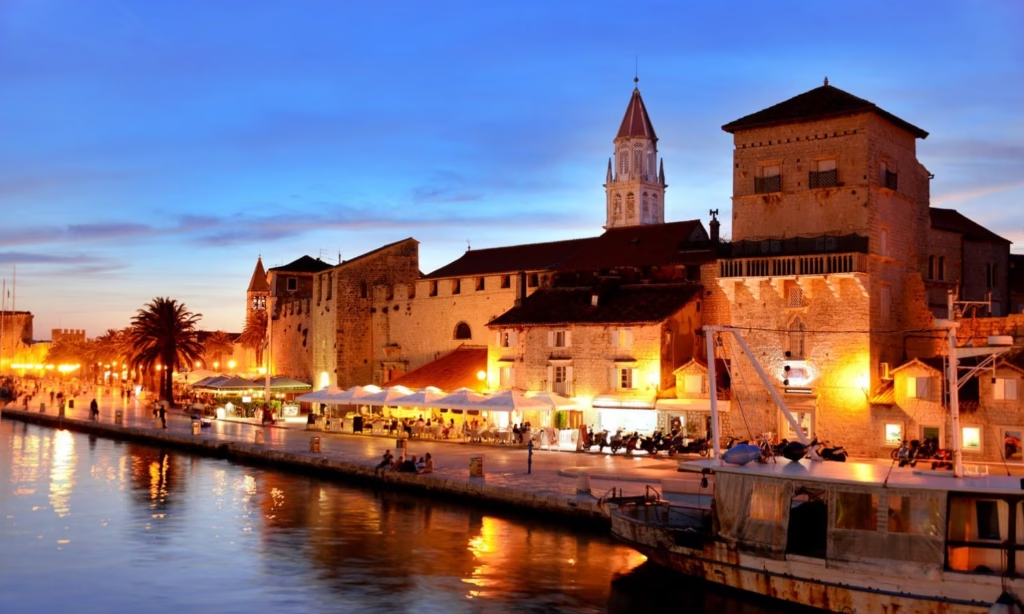
Zagreb is the easiest gateway to northern and continental Croatia. It blends an old Austro‑Hungarian feel with street art, café life, and a high number of museums for its size. For culture lovers, it is a soft landing and a natural base for a Zagreb city break.
Old Town walks and classic sights
Start in the Upper Town, Gornji Grad. Stroll past the colourful roof of St Mark’s Church and the Parliament buildings. Pause at the Stone Gate, where locals still light candles. The views from Strossmayer Promenade show the cathedral spires and the roofs of the Lower Town.
Drop down to Ban Jelačić Square and the grid of 19th‑century streets. The cathedral, Dolac Market, and nearby churches give a first look at everyday faith and food traditions in Zagreb Croatia.
Museums for history lovers and curious minds
Zagreb museums suit many tastes. The Archaeological Museum covers finds from prehistory to Roman times. The Ethnographic Museum explains traditional dress, crafts and customs from across Croatia. Here you can see examples of licitar hearts, folk costumes and wooden toys from Hrvatsko Zagorje. Contemporary art and small private collections add a modern layer.
You do not have to see everything. Pick one or two museums that fit your interests, then leave time for cafés and aimless side‑street wandering. Exploring Zagreb and northern Croatia feels better when you mix exhibits with real street life.
Licitar hearts: sweet symbols of Zagreb and northern Croatia
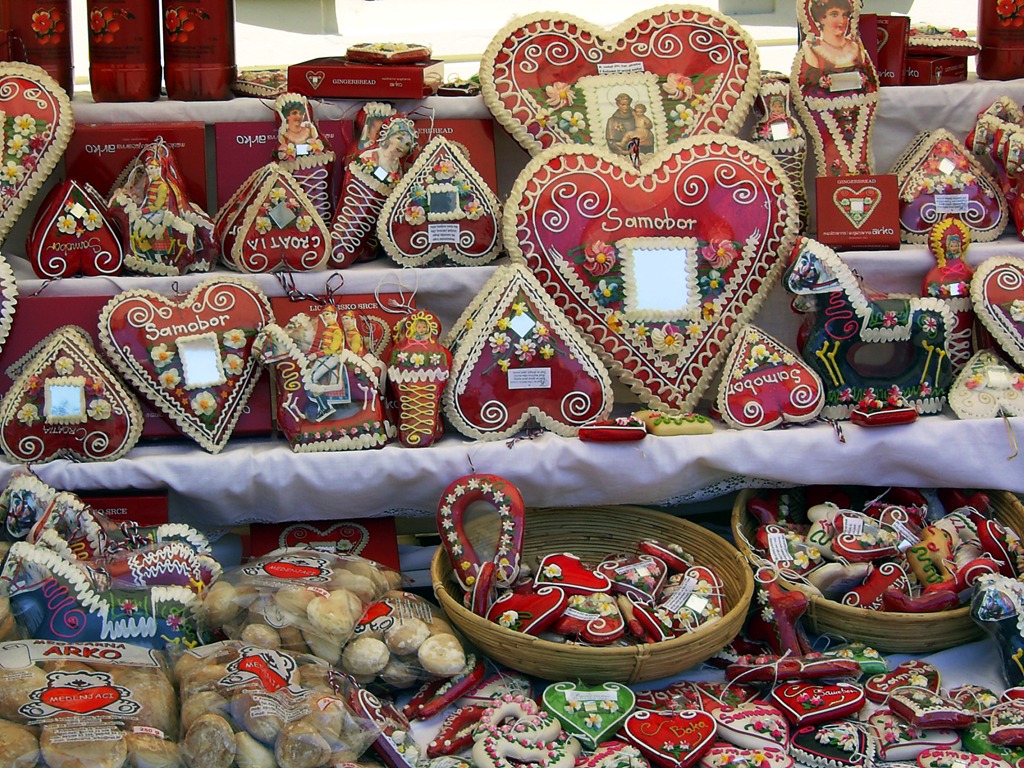
One of the most charming symbols of northern Croatia’s UNESCO traditions is the licitar heart. These are red, decorated gingerbread hearts made from honey dough. The gingerbread craft from northern Croatia is recognised as UNESCO intangible cultural heritage.
In Zagreb, licitar hearts appear in shop windows, on Christmas trees, and in souvenir stalls. You can buy simple small hearts or larger pieces with mirrors and names written in icing. Some workshops and cultural centres offer licitar classes or demonstrations. Look for a Zagreb licitar workshop if you enjoy hands‑on experiences.
A small licitar heart is an easy gift and a reminder that UNESCO Croatia intangible heritage is often something you can hold in your hand.
Folklore, markets and everyday traditions
Beyond museums, look for Zagreb folklore performances on summer evenings or during festivals. Folk dancing and music show how songs and costumes connect regions like Zagorje, Međimurje and Slavonia.
At Dolac Market, food traditions are on display. Women in regional dress still sell cheese, cream, and fresh produce. This is a good place to notice how inland Croatia and the central Croatia region lean towards hearty dishes, dairy, and seasonal vegetables.
In the evening, simply join local life. Sit in a café on Tkalčićeva Street or explore the courtyards of the Upper Town. Zagreb culture often feels low key, but it is there in the rhythm of the day.
From Zagreb to the Hills: Day Trips into Northern Croatia
Northern Croatia sits close to the capital. Within an hour or two, you can move from city streets to castles, vineyards, and spa valleys. This makes Zagreb day trips a key part of any Zagreb and northern Croatia itinerary.
Why choose northern and continental Croatia
Continental Croatia gives a different mood to the coast. The hills of Hrvatsko Zagorje, the baroque town of Varaždin, the wine‑covered slopes of Međimurje and the lace centre of Lepoglava all show another layer of Croatia cultural heritage.
Distances are short and roads are good. You can stay in Zagreb and book day trips, or design a northern Croatia road trip that links a few small towns and countryside stays. Either way, you meet a softer, slower side of the country.
Hrvatsko Zagorje: Castles, Wooden Toys and Spa Valleys
Hrvatsko Zagorje, often called Croatian Zagorje, lies just north of the capital. For many visitors, this is the easiest first day trip from Zagreb. It is a region of rounded green hills, villages, and warm springs. For centuries it has been a retreat for nobles and city people alike.
Wooden toys: a colourful UNESCO craft
One of the most charming UNESCO Croatia traditions lives in small workshops in Hrvatsko Zagorje. The traditional manufacturing of children’s wooden toys in Hrvatsko Zagorje is recognised as UNESCO intangible cultural heritage.
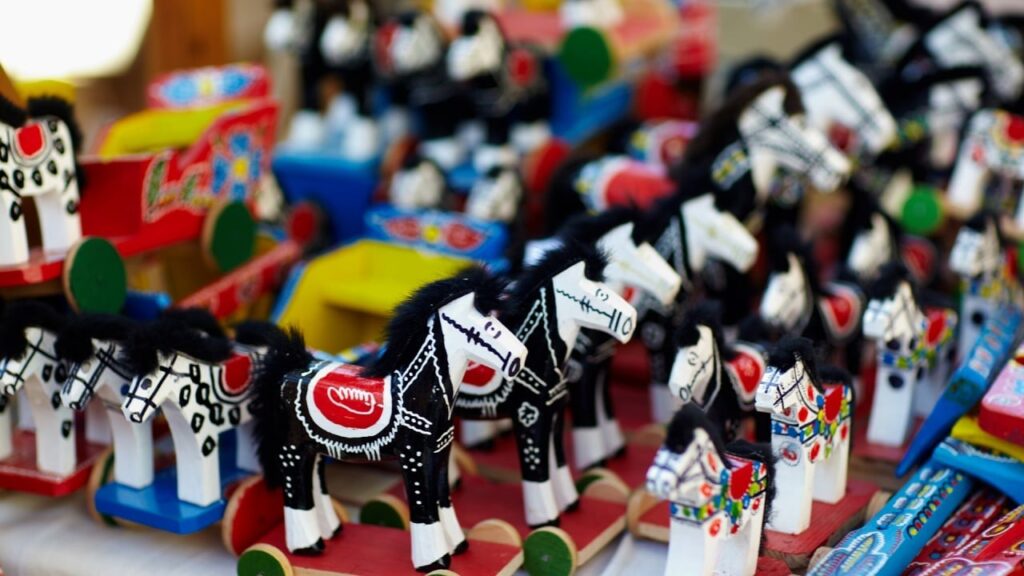
Craftsmen carve toys from local wood. Women paint them with simple floral and geometric patterns in bright colours. The shapes are modest: horses, birds, whistles, drums, and little cars. They are still sold at fairs, near shrines such as Marija Bistrica, and in selected shops.
Travellers can visit villages known for wooden toys as part of a Zagreb and Zagorje day trip. Watching a toy take shape under a knife and paintbrush says more about this part of Croatia than a shelf of standard souvenirs.
Castles and hilltop views
Zagorje castles give the landscape a fairytale touch. Trakošćan Castle sits above a small lake, ringed by forest paths. Inside, rooms show noble life, weapons and portraits. Outside, gentle trails circle the water.
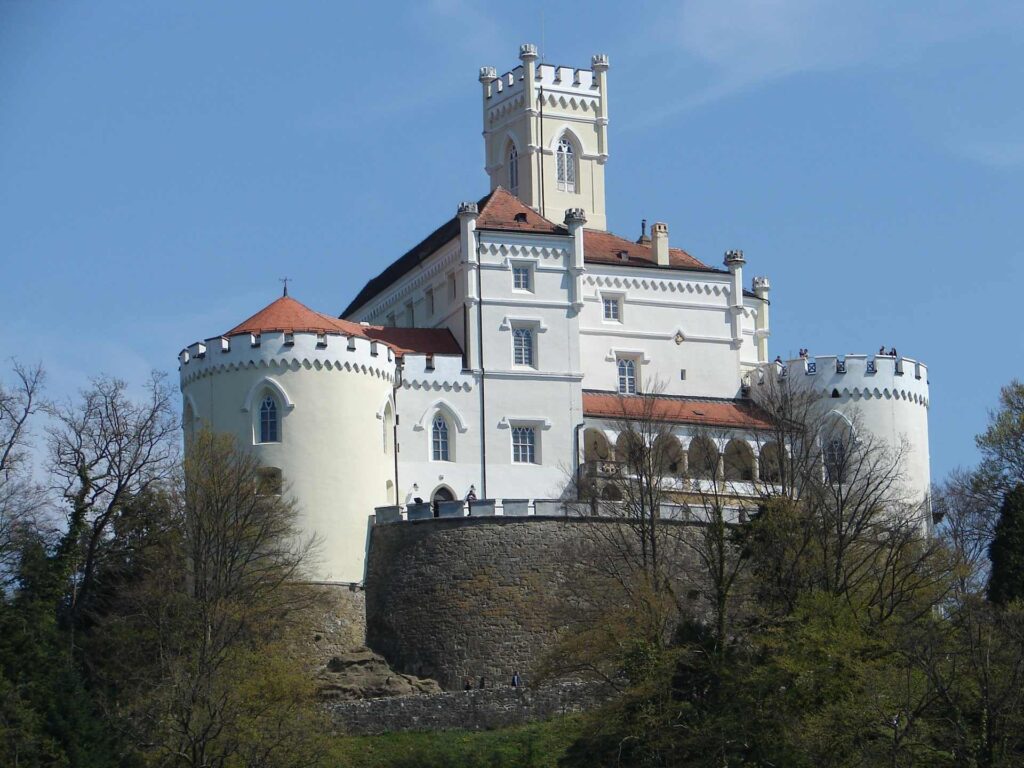
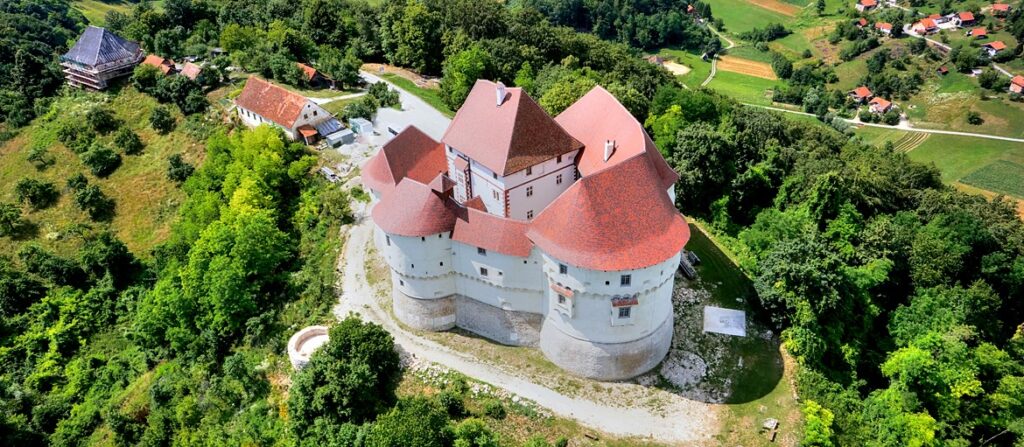
Veliki Tabor Castle crowns another hill. Its white walls and towers dominate the surrounding countryside. Exhibitions explain local legends and everyday life over the centuries.
You can visit one or both on a day trip from Zagreb, either on an organised tour that also includes Varaždin and Trakošćan or on a simple self‑drive loop. The mix of castles, village churches, and small museums fits well for culture lovers who enjoy short walks between sights.
Spas, wine and food in the hills
Hrvatsko Zagorje is also known for thermal spas and simple but rich food such as Zagorje štrukli and hearty stews. Spa complexes sit on warm springs and offer pools, saunas, and wellness treatments. They are popular with families and couples alike.
Between villages, vineyards crawl up slopes. White wines are common, often served in small family‑run cellars. Meals focus on soups, stews, poultry, and sweet pastries. A night or two in Zagorje thermal spas with visits to nearby wine roads makes a gentle end to a busy city break.
Varaždin: Baroque Streets and Festival Energy
Varaždin lies north of Zagreb, near the Drava River. It is famous as a baroque town with a compact historic centre. For a cultural city break in Croatia, it works as a quieter partner to the capital.
Baroque townscape and everyday charm
In Varaždin old town, pastel facades, churches and palaces line narrow streets. The Old Town castle stands in a park, surrounded by lawns and trees. Walking here feels calm, and everything is close.
Look up to notice baroque details on windows and doorways. Step inside churches to see altars and painted ceilings. This mix of architecture and quiet daily life makes Varaždin Croatia attractive for slow travellers.
Music and street festivals
Varaždin hosts lively cultural events. In late summer, Špancirfest turns streets into a maze of performers, artisans and food stalls. Music, theatre, and workshops fill courtyards and squares.
Earlier in autumn, Varaždin Baroque Evenings focus on classical music. Concerts take place in churches and halls, often highlighting works from the baroque period.
If your Zagreb and northern Croatia itinerary falls in festival season, plan at least one night in Varaždin. The town shows how a small inland Croatia city can feel both historic and creative.
Lepoglava: Lace Threads and a Niche UNESCO Story
West of Varaždin, the small town of Lepoglava sits among hills and forests. It might look ordinary at first glance, but it hides a UNESCO‑listed tradition.
Lacemaking in Croatia: fine work from Lepoglava
Lacemaking in Croatia is part of the UNESCO intangible heritage list. Lepoglava lace is one of the key regional styles. Here, women create delicate designs with bobbins and fine thread.
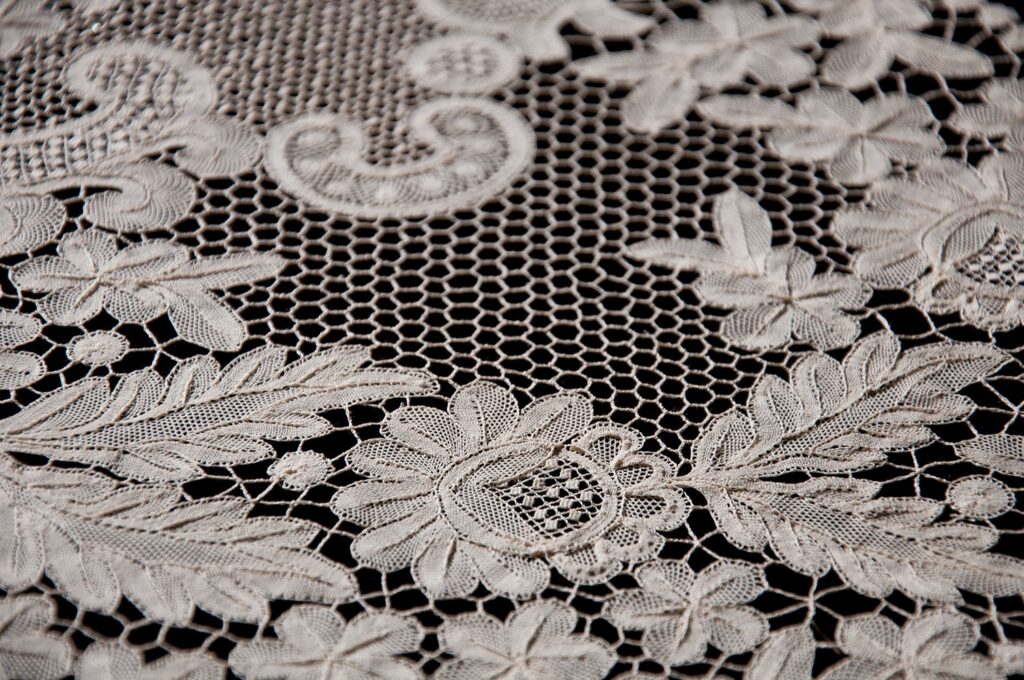
Patterns appear on collars, tablecloths, and liturgical items. Motifs are often light and airy, with repeating floral and geometric shapes.
For visitors, this craft makes Lepoglava worth a stop. Small exhibitions and workshops show how lace is made and how the skill has passed through generations. If you enjoy textiles and detailed handwork, this is a quiet highlight of the UNESCO sites and traditions in northern Croatia.
Lace festival and visiting tips
Each year, Lepoglava hosts a lace festival. Makers from Croatia and abroad meet, display work, and share techniques. The event adds concerts, talks and special church services.
Even outside festival dates, you can combine Lepoglava with a trip to Varaždin, Trakošćan Castle or nearby villages. It fits neatly into a northern Croatia cultural weekend with a focus on crafts.
Međimurje: Folk Songs, Vineyards and River Landscapes
North of Varaždin, between the Mura and Drava rivers, lies Međimurje. This small region blends vineyards, farm stays, and a strong musical identity.
Međimurska popevka: a song on the UNESCO list
Međimurska popevka is a gentle folk song tradition from this area. It is recognised as UNESCO intangible cultural heritage. The songs are simple, emotional, and often tell stories of love, nature, and everyday life.
In the past, women often sang these songs while working or in small gatherings. Today, choirs, solo singers and folk groups perform them at events, weddings and festivals.
As a visitor, you might hear Međimurska popevka at a folk evening, a local celebration, or a cultural programme at a spa hotel. It is one of the most direct ways to feel cultural Croatia through sound rather than objects.
Wine roads, cycling and spa time
Međimurje wine road winds along hills with views of vineyards and small villages. Many cellars welcome guests for tastings. Whites and light reds suit local dishes such as stews and river fish.
Cycling routes follow ridges and rivers, with gentle climbs and long views. These paths work well for couples and families who enjoy slow travel and fresh air.
Sveti Martin na Muri spa combines pools, wellness and sports facilities. It is a comfortable base for exploring Međimurje vineyards, cycling, and nearby river landscapes.
Itinerary Ideas: From Zagreb to the Northern Hills
You can enjoy UNESCO traditions in and around Zagreb and the northern hills in a few days or stretch them into a longer inland Croatia trip. These ideas keep travel times short while giving you a mix of city, villages, and countryside.
Long weekend: Zagreb with a taste of Zagorje
Spend two days in Zagreb. Explore Gornji Grad, Dolac Market and a couple of museums. Look for licitar hearts and Zagreb traditional crafts.
On the third day, join a Zagreb and Zagorje day trip. Include at least one castle such as Trakošćan or Veliki Tabor and a stop in a village that makes wooden toys.
Four to five days: Zagreb, Varaždin and Lepoglava
Use Zagreb as a base for two nights. Then travel to Varaždin for baroque streets and castle walks. If dates match, enjoy Špancirfest or a concert from the Varaždin Baroque Evenings.
Add Lepoglava for a few hours or a night to focus on lace. Watch demonstrations, visit any local display spaces, and spend the rest of the day in the hills.
One week: Northern Croatia cultural road trip
For a full northern Croatia road trip, start in Zagreb and move north in stages. Combine the capital with castles and spas in Hrvatsko Zagorje, Varaždin old town, Lepoglava lace and Međimurje vineyards.
Plan one or two nights in each area. You keep distances short but build a rich picture of Croatia culture and traditions. Whichever plan you choose, keep one flexible day for a festival, spa or winery you discover along the way.
Who Will Enjoy Zagreb and the Northern Hills
Travel in Zagreb and northern Croatia suits many types of visitors.
Couples will enjoy city cafés, spa evenings, wine tastings and gentle castle walks. Families can mix short museum visits with wooden toy workshops and hotel pools. History lovers can dive into baroque architecture, castles and local museums. Art and craft lovers will find plenty in lace, licitar hearts and wooden toys.
Northern Croatia is also a strong choice for travellers who like Croatia off the beaten path. You see far fewer tour groups here than on the coast, especially outside major festivals.
Practical Tips for Zagreb and Northern Croatia Itineraries
Public transport links Zagreb with Varaždin and some Zagorje towns, but a car makes day trips easier. Roads are well kept and distances are short.
Weather can be warm in summer and cold in winter, with snow in the hills. Spring and autumn suit Zagreb city break plans and countryside walks. Check festival dates early if you want to align your trip with Špancirfest, Varaždin Baroque Evenings or the Lepoglava lace festival.
Keep plans flexible. If you find a village or spa you like, stay an extra night. Cultural Croatia often feels richest when you slow down.
Start Planning Your Zagreb and Northern Croatia Itinerary
If you enjoy cities with character, small towns, and living traditions, this region is a good match. Use Zagreb as your starting point, then add castles, lace, wooden toys and song to build your own Zagreb and northern Croatia itinerary.
Choose one or two day trips from the capital, or link the hills into a short road trip and start sketching your own Zagreb and northern Croatia itinerary today. Either way, you will meet a quieter but very real side of Croatia cultural heritage, shaped by hands, voices and time.
FAQs
Is Zagreb a good base for exploring northern Croatia?
Yes. Zagreb lies close to Hrvatsko Zagorje, Varaždin, Lepoglava and Međimurje. You can organise day trips or short overnights with little travel time.
How many days do I need for Zagreb and the northern hills?
A long weekend gives a taste of the region. Four to seven days let you mix Zagreb, castles, spas, lace and vineyards at a calmer pace.
Do I need a car to visit Hrvatsko Zagorje and Međimurje?
A car offers more freedom for small villages, wine roads and spa stays. However, you can still reach key towns like Varaždin by train or bus and join local tours.
When is the best time to enjoy cultural festivals in northern Croatia?
Late summer and early autumn bring many events. Špancirfest, Varaždin Baroque Evenings and the Lepoglava lace festival usually fall between August and October.
Is northern Croatia suitable for families with children?
Yes. Wooden toy workshops, castles, spa pools and easy countryside walks keep children engaged. Travel distances are short, which helps with family trips.
Disclosure: This page may contain affiliate links. This means that we get a small commission from any purchase you make, at no additional cost to you!