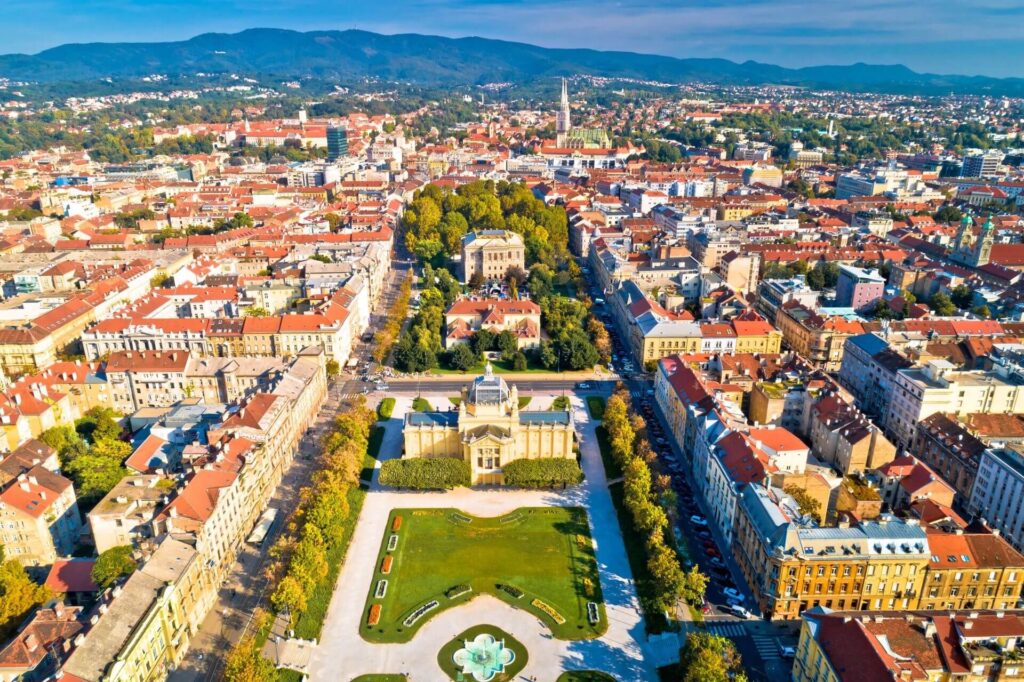
Lonjsko Polje Nature Park is one of the most surprising places to visit in inland Croatia. This vast wetland along the Sava River combines wild floodplain forests, traditional wooden villages and rich birdlife. It is an easy nature escape from Zagreb and a gentle base for slow travel in the Posavina region. Use this Lonjsko Polje Nature Park travel guide to see where this Croatian wetland is and why it matters. Then plan an easy day trip from Zagreb or a slow weekend break in Posavina.
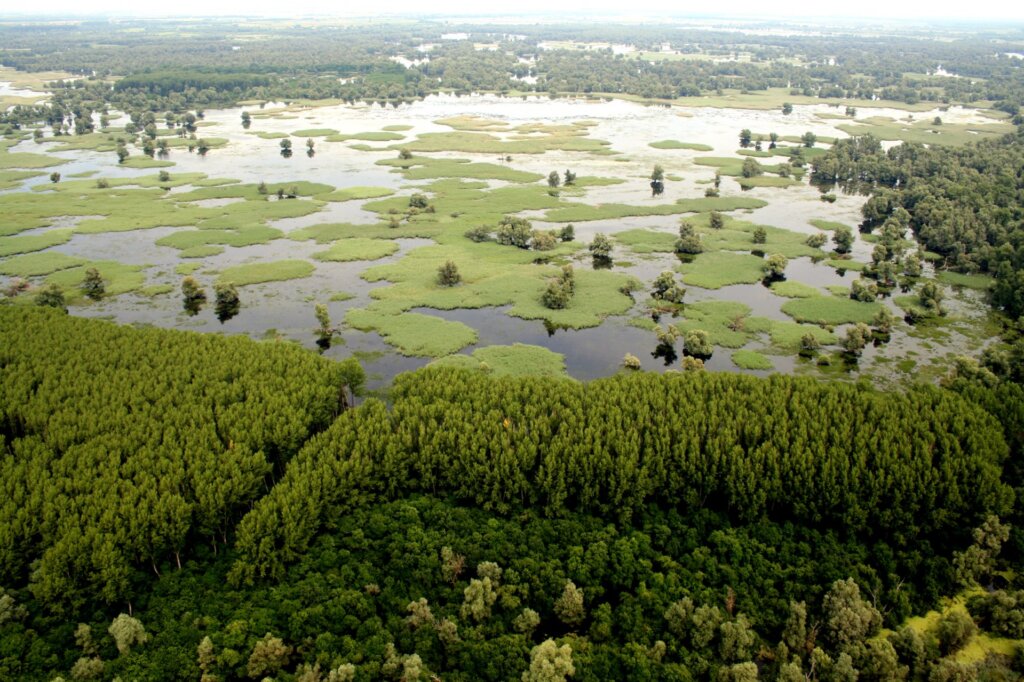
Table of Contents
ToggleWhere is Lonjsko Polje Nature Park in Croatia?
Lonjsko Polje Nature Park lies in central Croatia, in the Posavina region along the Sava River. It stretches between Sisak and Nova Gradiška and covers more than 50,000 hectares of wetlands, meadows and floodplain forests.
The park sits south of the A3 motorway and north of the border with Bosnia and Herzegovina. Small villages such as Krapje, Čigoč, Lonja, Mužilovčica, Kratečko and Puska form the heart of the protected landscape.
Lonjsko Polje Nature Park from Zagreb and nearby cities
Lonjsko Polje Nature Park is close enough for a simple day trip from Zagreb. Driving times vary slightly depending on which entrance or village you choose.
Zagreb to Lonjsko Polje Nature Park: about 1 to 1.5 hours by car
Sisak to Lonjsko Polje Nature Park: about 30 to 45 minutes
Kutina to Lonjsko Polje Nature Park: around 30 to 40 minutes
Slavonski Brod to Lonjsko Polje Nature Park: about 1 to 1.5 hours
Public transport options are limited. You can usually reach Sisak or Kutina by train or bus, then continue by taxi or pre arranged transfer. For full flexibility, especially if you want to explore several villages, a car is the best choice.
What makes Lonjsko Polje Nature Park special?
Lonjsko Polje Nature Park is all about wide wetlands, rich birdwatching, traditional wooden villages and easy day trips from Zagreb.
Lonjsko Polje is the largest protected wetland in both Croatia and the entire Danube basin. It is also one of the wildest floodplain landscapes in the country. Seasonal flooding of the Sava River shapes everything here. Water covers wide meadows and creates shallow lakes in winter and spring, then retreats to leave rich pastures and wetlands.
Wetlands, floodplains and forests
The park protects a mosaic of wetlands, wet meadows, pastures and floodplain oak forests. These habitats are rare in Europe. Lonjsko Polje is listed as a Ramsar site, part of the Natura 2000 network and an Important Bird Area.
During high water, Lonjsko Polje acts as a giant natural reservoir. It stores floodwaters and protects the lower Sava basin. When the water drops, common grazing returns and the landscape shifts into a wide green plain.
Birdlife and wildlife
Lonjsko Polje Nature Park is famous for birdwatching. Around 250 bird species use the wetlands and forests, and many of them nest within the park. You may see white storks, herons, spoonbills, egrets and birds of prey. Migrating flocks stop here on their journeys along the Sava and Danube flyways.
Small mammals, amphibians and reptiles thrive in the mosaic of habitats. Indigenous breeds still graze freely or in semi wild herds. Look out for Posavina horses, Podolian cattle and Turopolje pigs in the meadows and near the villages.
Traditional wooden villages and cultural landscape
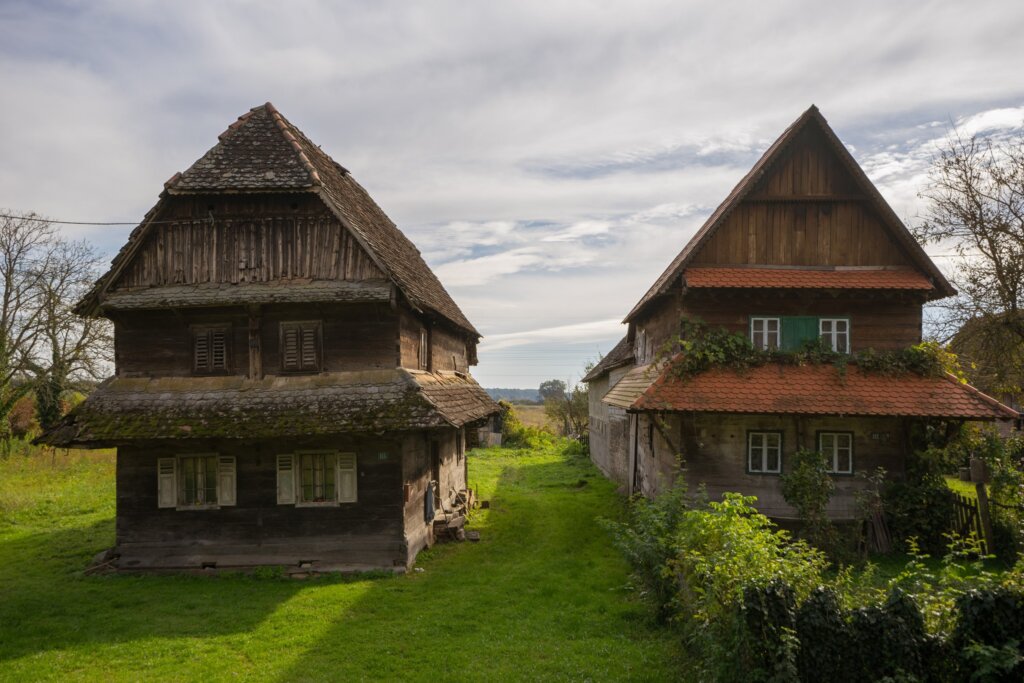
Lonjsko Polje is not just a nature reserve. It is also a cultural landscape shaped by centuries of life with floods. Villages along the Sava keep a strong architectural identity. Traditional Posavina wooden houses stand on raised foundations or stilts to cope with high water.
Several settlements are particularly well known.
Čigoč stork village: the first European stork village, where many white stork nests sit on roofs and poles.
Krapje village of architectural heritage: a protected ensemble of wooden Posavina houses with carved balconies and wooden details.
Lonja, Mužilovčica, Kratečko and Puska: small riverside villages with wooden houses, barns and simple riverfront promenades.
Because of this blend of wetlands and traditional settlements, Lonjsko Polje appears on the UNESCO tentative list as a cultural landscape with wooden architecture.
Practical information for visiting Lonjsko Polje Nature Park
A visit to Lonjsko Polje is simple as long as you prepare for changing conditions.
Best time to visit Lonjsko Polje Nature Park
You can visit Lonjsko Polje Nature Park in every season, but the landscape changes a lot through the year.
Spring brings higher water, fresh green colours and very active birdlife, including the return of storks to Čigoč.
Summer is best for cycling, canoeing and easy family outings, with long days and more services open.
Autumn offers mild temperatures, migration birds and warm colours that suit walking and photography.
Winter can be quiet and sometimes flooded, so it fits keen birdwatchers and photographers who do not mind limited services.
Entrance fees and opening hours
Entrance fees for Lonjsko Polje Nature Park are usually modest and help support conservation and local services. Fees can differ between visitor centres and activities such as guided tours, boat trips and bicycle rental.
Opening hours for visitor centres change with the season. Spring and summer usually see longer opening times, while winter hours are shorter. Check the official information before you travel.
Rules, safety and responsible travel
Lonjsko Polje is a fragile wetland. Visitors need to respect a few simple rules.
Stay on marked paths and dykes.
Follow instructions from park staff and signs, especially during floods.
Do not disturb nesting birds or approach herds of animals too closely.
Take your litter with you and avoid single use plastic.
Swimming is not a focus in Lonjsko Polje. Water is shallow, muddy and used by wildlife and livestock. Always follow local advice about where you can and cannot enter the water.
Dogs are usually allowed if kept on a leash and under control, but always check specific visitor centre rules. This helps protect wildlife, livestock and other visitors.
What to pack for Lonjsko Polje
Your packing list depends on the season, but a few items are always useful.
Comfortable walking shoes or boots
Waterproof footwear or rubber boots in flood season
Lightweight layers and a windproof jacket
Sun protection, hat and sunglasses in summer
Mosquito repellent in warm months
Binoculars and a camera
A reusable water bottle and snacks make it easier to spend a full day outdoors.
Where to stay near Lonjsko Polje Nature Park
Most visitors explore Lonjsko Polje Nature Park on a day trip from Zagreb or nearby towns. However, staying overnight allows you to enjoy quiet mornings and evenings in the wetlands.
Options include small guesthouses, rural tourism farms and simple apartments in villages such as Čigoč, Krapje, Lonja and Mužilovčica. Nearby towns like Sisak and Kutina offer hotels and more urban services.
When choosing a base, decide whether you want to wake up in a quiet village or prefer more restaurant choices and shops in town. In all cases, check access routes in seasons with high water.
Is Lonjsko Polje Nature Park worth visiting?
Lonjsko Polje Nature Park is ideal for travellers who enjoy quiet nature, traditional villages and slow days outdoors. It does not offer adrenaline parks or crowded promenades. Instead, you find wide skies, bird calls and the steady rhythm of the Sava River.
Families appreciate the easy terrain, short distances and clear focus on nature. Couples and solo travellers often enjoy the sense of space and the chance to disconnect from busy schedules.
If you want to experience a different side of Croatia, away from the coast and big cities, Lonjsko Polje Nature Park deserves a place on your itinerary.
FAQs
Is Lonjsko Polje Nature Park good for families?
Yes. Lonjsko Polje is well suited to families. Flat terrain, short walks and safe cycling routes make it easy to spend time outdoors with children. Kids usually enjoy stork watching in Čigoč, meeting horses and cattle and exploring wooden villages.
Can you visit Lonjsko Polje Nature Park in winter?
You can visit Lonjsko Polje in winter, but conditions depend on water levels and weather. Winter can be beautiful, with flooded meadows and quiet trails. Some services may be limited, so always check opening hours and access before travelling.
Do you need a guide in Lonjsko Polje Nature Park?
You do not need a guide to visit the villages and basic trails. However, guided tours help you understand the floodplain ecosystem and spot wildlife. Birdwatching, canoeing and specialised tours are usually guided for safety and interpretation.
Are there entrance fees for Lonjsko Polje Nature Park?
Entrance fees are modest and may be charged at visitor centres or for specific services. Prices can change, so always confirm current fees before your visit.
Can you camp in Lonjsko Polje Nature Park?
Wild camping is generally not allowed in Lonjsko Polje Nature Park due to the fragile environment and changing water levels. Look for official campsites or rural tourism properties outside or on the edge of the park.
Is swimming allowed in Lonjsko Polje Nature Park?
Swimming is not a main activity in Lonjsko Polje. Water is shallow, muddy and intended for wildlife and livestock. Always follow local advice. If you want to swim during your holiday, combine a visit to Lonjsko Polje with lakes or rivers outside the protected area.
Are dogs allowed in Lonjsko Polje Nature Park?
Dogs are usually allowed if kept on a leash and under control, especially near livestock and wildlife. Some trails or zones may have specific rules. Check with visitor centres before you set out.
How many bird species are in Lonjsko Polje Nature Park?
Lonjsko Polje hosts around 250 bird species across the year, which is more than two thirds of all bird species recorded in Croatia. Numbers vary with the season, water levels and migration patterns. Spring and autumn are the most active periods.
Plan your visit to Lonjsko Polje Nature Park
Lonjsko Polje Nature Park offers a rare combination of wetlands, traditional villages and slow travel experiences in inland Croatia. Whether you come for a simple day trip from Zagreb or a quiet weekend in Posavina, the floodplain landscape leaves a strong impression.
Start planning your visit to Lonjsko Polje Nature Park. Check current trails, guided tours and water levels before you go. You can keep it simple with a Lonjsko Polje Nature Park day trip from Zagreb. Or stretch it into a slow weekend in Posavina. Choose your base in one of the riverside villages or nearby towns. Decide whether you want to focus on birdwatching, cycling, canoeing or relaxed walks between wooden houses. Then give yourself time to follow the rhythm of the Sava River and watch the sky. Enjoy one of Croatia’s most unique nature parks.
Disclosure: This page may contain affiliate links. This means that we get a small commission from any purchase you make, at no additional cost to you!