When people think of cultural Croatia and UNESCO heritage, they often picture coastal cities like Dubrovnik or Split. But far from the Adriatic, in the eastern plains of Slavonia, a different side of Croatia’s cultural story waits to be discovered – one of fertile fields, wine hills, Danube river views and living traditions that have earned their place on UNESCO lists.
Here, culture is not only in churches and fortresses. It lives in songs improvised late into the night, in colourful folk costumes, in spring processions through small villages and in the careful breeding of white Lipizzan horses. If you are curious about authentic experiences beyond the usual tourist trail, Slavonia is a rewarding place to explore.
In this guide, you will discover how UNESCO Croatia goes far beyond famous stone cities, and how Slavonia’s music, festivals, horses and historic towns enrich the story of cultural Croatia.

Explore This Guide
ToggleUNESCO in Croatia – Beyond the Famous Cities
Croatia is home to several UNESCO World Heritage sites, most of them on the coast or in the mountains, including historic cities like Dubrovnik, Split and the old town of Trogir. There are also natural landscapes such as Plitvice Lakes.
Alongside these famous places, Croatia also protects a wide range of intangible traditions on the UNESCO lists. These include crafts, songs, rituals and festive events that are still practiced in everyday life.
Slavonia, in eastern Croatia, plays an important role in this living heritage. The region is strongly represented on the UNESCO intangible cultural heritage list, and its main city, Osijek, has a baroque fortress quarter on Croatia’s UNESCO Tentative List.
For visitors, this means you can combine city walks and historic architecture with festivals, music and rural traditions that remain a real part of local life.
Slavonia at a Glance
Slavonia stretches across the eastern part of Croatia, framed by the Drava, Sava and Danube rivers. It is a landscape of broad fields, gentle wine-growing hills and quiet riverside towns rather than dramatic cliffs or high peaks.
The region is sometimes grouped with Baranja and Srijem and is often described simply as eastern Croatia. Its main urban hub is Osijek, with other important towns including Đakovo, Vinkovci, Vukovar, Ilok and Slavonski Brod. So what does all this mean for visitors today?
For tourists, Slavonia offers:
A slower, more traditional pace of life.
Strong folk music and dance traditions.
Festivals that fill streets with costumes and songs.
Historic towns with Austro-Hungarian and baroque architecture.
Wine routes and hearty regional cuisine.
It is an ideal region for travellers who enjoy culture, food, road trips and rural tourism, and who want to see a side of Croatia that many never reach.
UNESCO Intangible Heritage in Slavonia
Bećarac – Songs of Wit and Community
One of Slavonia’s most distinctive contributions to UNESCO intangible heritage is bećarac singing and playing from eastern Croatia. These are humorous, often improvised folk songs performed in decasyllabic couplets.
Bećarac is usually sung in a call-and-response style, accompanied by tamburica instruments. The lyrics can be playful, teasing or even a little cheeky, and singers often compete to invent the most imaginative lines on the spot.
You are most likely to hear bećarac at village celebrations, weddings, fairs and folk festivals. It is not a staged show created only for tourists. It is part of how people celebrate together, and it tells you a lot about Slavonia’s character – sociable, warm, proud and with a sharp sense of humour.
If you visit during a major festival such as Đakovački vezovi or Vinkovačke jeseni, you will almost certainly hear bećarac echoing through the streets and squares.
Spring Procession of Ljelje – Queens from Gorjani
Another UNESCO-listed tradition from Slavonia is the spring procession of Ljelje, or Queens, from the village of Gorjani.
Each spring, usually on Whitsunday, young women and girls in Gorjani form two groups. Some dress as “kings”, wearing hats with flowers, shirts and trousers, and carrying sabres. Others play the role of “queens”, wearing white dresses and wreaths like veils.
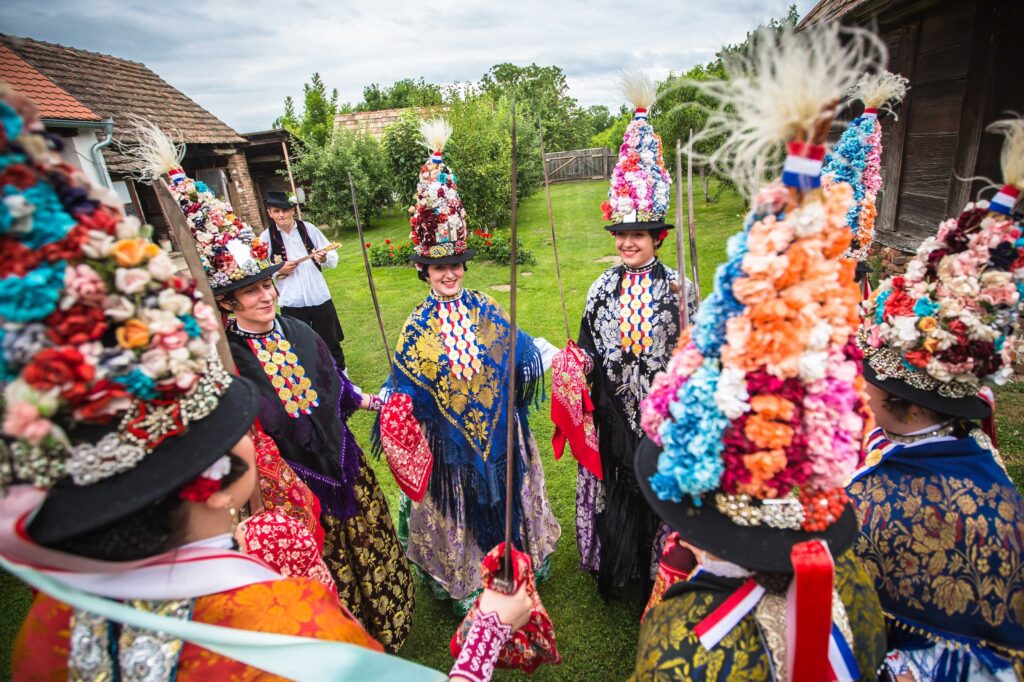
The group moves through the village, stopping to dance and sing in front of homes. In return they receive small gifts from the families they visit. The procession symbolises renewal, protection of the community and the passage of customs to the next generation.
For visitors, this is a vivid and photogenic event that shows how ritual and everyday life are still closely connected in Slavonia. If you are planning a cultural Croatia itinerary in late spring, a visit to Gorjani or nearby Đakovo around Whitsunday can add a unique experience to your trip.
Lipizzan Horse Breeding Traditions – Đakovo Stud
Lipizzan horse breeding traditions are recognised by UNESCO as a multinational intangible heritage element, and Croatia is part of this through the famous stud farms at Đakovo and Lipik.
The Đakovo State Stud Farm has a history that stretches back several centuries. It is one of the oldest stud farms in Europe and is known for its elegant white Lipizzan horses, which are used in dressage, ceremonial parades and festive events.
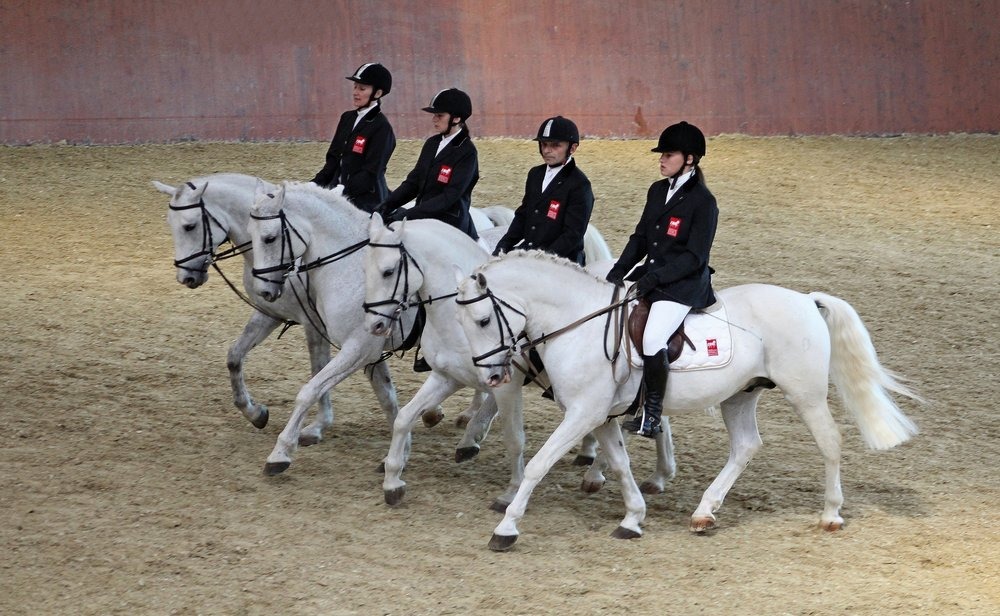
During a visit, you can walk through the stables, learn about breeding and training methods, and sometimes watch riding demonstrations or carriage rides. The bond between people and horses is strong here and forms a key part of local identity.
If you are exploring Slavonia as part of a wider UNESCO Croatia trip, Đakovo is a natural stop. You can combine a visit to the cathedral and the stud farm, then continue to wine cellars, villages and festivals nearby.
Osijek and Tvrđa – A Fortress on the UNESCO Tentative List
Osijek – Cultural Capital of Eastern Croatia
Osijek is the largest city in Slavonia and a comfortable base for exploring the region. It stands on the Drava River and has a relaxed, green feel, with riverside promenades and parks.
The city has three main faces. The baroque fortress area, known as Tvrđa, preserves a dense ensemble of historic buildings. The 19th century “upper town” has grand avenues and a neo-Gothic cathedral. Modern neighbourhoods stretch outward with cafés, markets and student life.
For travellers, Osijek offers museums, galleries, churches and plenty of small bars and restaurants, many of them in atmospheric old houses.
Tvrđa – Baroque Quarter with UNESCO Ambitions
Tvrđa is the historic fortified part of Osijek. It developed in the 18th century as a Habsburg military and administrative centre and still shows a clear baroque street grid inside the former defensive walls.
Today, Tvrđa is on Croatia’s UNESCO Tentative List as the “Historical-town planning ensemble Tvrda (Fort) in Osijek”. This status recognises its value as a well-preserved baroque fortress town that reflects the meeting of Central European and Balkan influences.
As you walk through Tvrđa, you can see:
The main square with a baroque Holy Trinity column.
Historic palaces and town houses with arcades and courtyards.
Churches and former military buildings.
Museums such as the Museum of Slavonia and the Archaeological Museum.
Plan to spend at least a couple of hours wandering its streets and main square.
By day, Tvrđa feels like a quiet open-air museum. In the evening, especially during the academic year, it becomes one of the liveliest parts of Osijek, with student bars, pubs and restaurants.
For a cultural Croatia itinerary, Tvrđa offers an excellent contrast to coastal UNESCO cities. It is less crowded and more relaxed, yet it carries the same sense of layered history.
Festivals that Keep Slavonian Traditions Alive
In Slavonia, festivals and folk events are not just staged performances. They are major moments in the yearly calendar when towns and villages show their pride in traditional music, costumes and crafts.
Đakovački vezovi – Embroidered Summer in Đakovo
Đakovački vezovi is one of Croatia’s biggest folklore festivals and a highlight of Slavonia’s cultural year. It usually takes place in early summer, bringing together ensembles from across the region and from other parts of Croatia.
During the festival, the streets of Đakovo fill with people in richly embroidered costumes. Parades showcase village groups, tamburica bands, horse-drawn carriages and Lipizzan horses from the local stud farm.
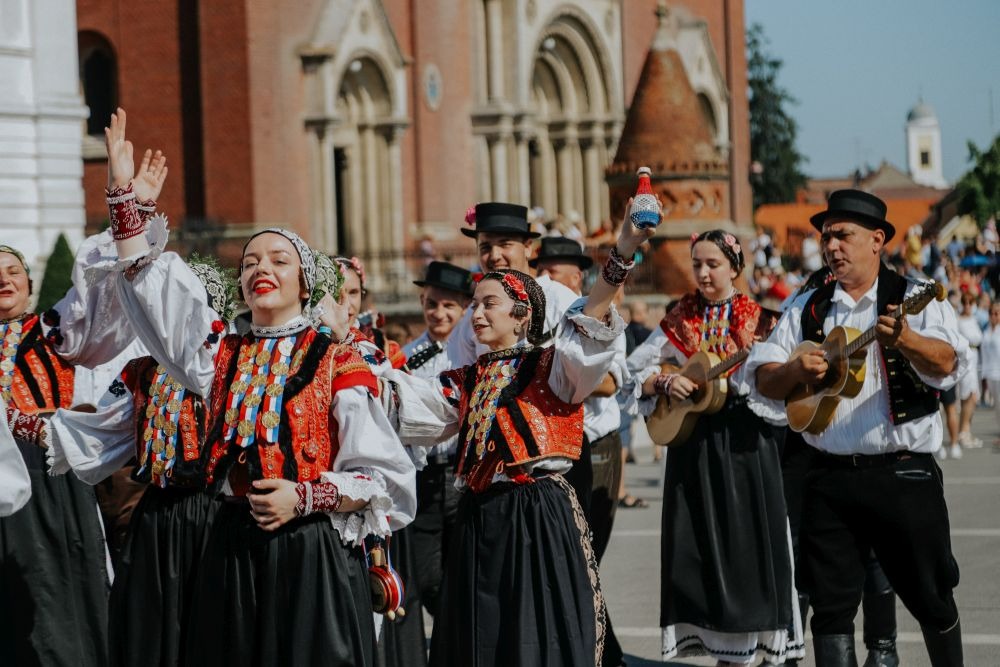
Concerts, exhibitions and craft markets run alongside the main events. For a visitor, it is one of the best chances to experience bećarac songs, circle dances and regional costumes in a single place.
If you plan a cultural trip through Slavonia, consider timing your visit around Đakovački vezovi. Book your accommodation early, as this period is popular with both domestic and international visitors.
Vinkovačke jeseni – Autumns of Vinkovci
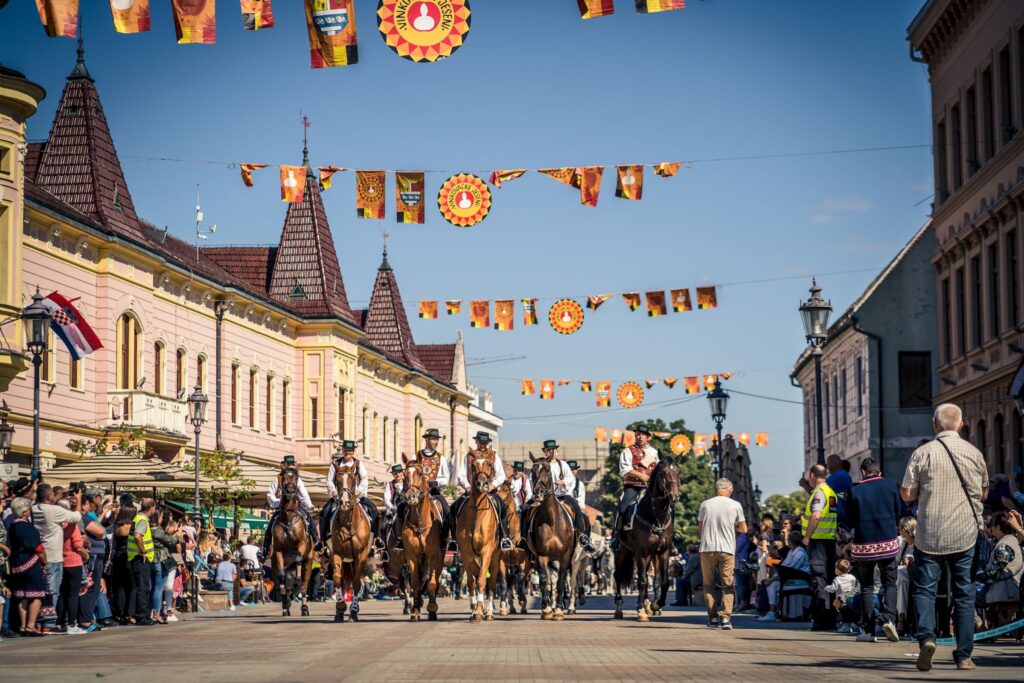
Vinkovačke jeseni, or the Autumns of Vinkovci, is another major festival of traditional culture in Slavonia. Held in September, it celebrates the end of summer and the start of the autumn season.
For about ten days, Vinkovci hosts parades, evening concerts, folklore performances, children’s events and craft presentations. The streets and parks fill with stalls offering local food, sweets, souvenirs and traditional products.
The festival has a warm, community feel. Families come out to watch the parades, and visitors are welcome to join in the atmosphere, listen to music and try local dishes.
Brodsko kolo – Folklore in Slavonski Brod
In Slavonski Brod, the Brodsko kolo festival focuses on traditional music and circle dances. The town’s large fortress provides a dramatic backdrop for performances and parades.
If your trip includes Slavonski Brod, this event offers another opportunity to see how local groups keep folk culture alive, from children’s ensembles to long-established adult troupes.

Everyday Culture – Food, Wine and Rural Life
Hearty Slavonian Cuisine
Cultural Croatia is also experienced at the table, and Slavonia is known for its rich, flavourful cuisine.
Some dishes and products to look for include:
Slavonian kulen – a cured sausage seasoned with quality paprika and garlic.
Čobanac – a spicy meat stew, often cooked in a large cauldron outdoors.
Fiš paprikaš – a hot and aromatic fish stew made with river fish and paprika.
Meals are often generous and shared with family and friends. In rural areas you can still find traditional methods of curing meat, making homemade cheeses and baking bread in wood-fired ovens.
Wine Routes and Cellars
Eastern Croatia is one of the country’s key wine regions. Hills around Ilok, Baranja and other parts of Slavonia grow grape varieties that thrive in the continental climate.
Graševina (welschriesling) is the best-known white wine from this part of Croatia. You can visit historic cellars in Ilok, try wine tastings in Baranja, or follow signposted wine routes that link family-run wineries and larger estates.
Combining wine tours with visits to cultural sites is a natural way to build a relaxed Slavonia itinerary. Taste local wines after a walk through Tvrđa in Osijek, or pair a visit to Đakovo’s cathedral with lunch and a glass of graševina in a nearby village.
Rural Tourism and Village Stays
One of Slavonia’s strengths is rural tourism. Many villages now offer guesthouses, farm stays and small family-run hotels where you can experience daily life in the countryside.
Typical experiences include:
Staying in traditional houses with wooden porches and colourful gardens.
Joining a bećarac evening with local musicians.
Taking a carriage ride or short horse trek, especially near Đakovo.
Learning about crafts such as embroidery, weaving or pottery.
If you are looking for a slower pace after busy days in big cities, a few nights in Slavonian countryside can be very relaxing.
Planning Your Cultural Croatia Itinerary in Slavonia
How Long to Stay
To get a good feel for Slavonia’s cultural heritage, plan at least three or four days in the region. This gives you time to explore Osijek and Tvrđa, visit Đakovo and the Lipizzaner stud farm, and add one or two more towns or wine regions.
If you want to attend a major festival such as Đakovački vezovi or Vinkovačke jeseni, consider a week. This allows you to enjoy festival days and still fit in quieter excursions.
Suggested Itinerary Ideas
Here are a few simple ideas to start planning:
Short break in Osijek – two or three days focused on Tvrđa, museums, riverside walks and a day trip to nearby wine country.
Slavonia road trip – five to seven days combining Osijek, Đakovo, Vinkovci, Vukovar, Ilok and Slavonski Brod, with stops at festivals when dates match your travel.
Cultural and nature mix – base in Osijek or Đakovo and add day trips to Kopački Rit Nature Park for birdwatching and river landscapes.
Slavonia connects well with the rest of Croatia, so you can easily add it before or after coastal destinations as part of a longer cultural Croatia route.
Practical Tips for Visitors
Public transport links exist between major towns, but a car gives you more freedom for rural areas.
Summer can be hot, so consider spring or early autumn for festivals and comfortable sightseeing.
English is widely spoken in younger generations and in tourism services.
Traditional festivals can be busy, so reserve rooms in advance.
Plan Your Cultural Trip to Slavonia
If you are planning a trip to Croatia and want to go beyond the most famous UNESCO sites, make space in your itinerary for Slavonia, where cultural heritage lives on in songs, horse parades, homemade dishes and village celebrations.
Choose a weekend city break in Osijek, a longer Slavonia road trip or a tour that combines festivals, wine routes and rural stays.
Start planning your route: check festival dates, choose your base in Osijek or Đakovo, and map out your cultural Croatia itinerary through the heart of Slavonia.
FAQs
Is Slavonia worth visiting for culture lovers?
Yes. Slavonia is one of the best regions in Croatia for traditional music, festivals, food and rural life. It offers a strong sense of identity and several UNESCO-listed traditions.
What UNESCO heritage can I experience in Slavonia?
You can experience bećarac singing, the spring procession of Ljelje in Gorjani and the Lipizzan horse breeding traditions at the Đakovo State Stud Farm. Osijek’s baroque quarter Tvrđa is also on the UNESCO Tentative List.
Which towns should I visit in Slavonia?
Osijek is a natural base, with its Tvrđa fortress quarter and riverside walks. Đakovo, Vinkovci, Vukovar, Ilok and Slavonski Brod are also worth adding for festivals, wine and historic architecture.
When is the best time to visit Slavonia for festivals?
Early summer is ideal for Đakovački vezovi in Đakovo, while September brings Vinkovačke jeseni in Vinkovci. Other events, concerts and smaller festivals take place throughout the year.
Can I combine Slavonia with other parts of Croatia?
Yes. Many travellers connect Slavonia with Zagreb and coastal regions. You can start in the capital, continue to eastern Croatia for culture and wine, then finish on the Adriatic coast.
Disclosure: This page may contain affiliate links. This means that we get a small commission from any purchase you make, at no additional cost to you!