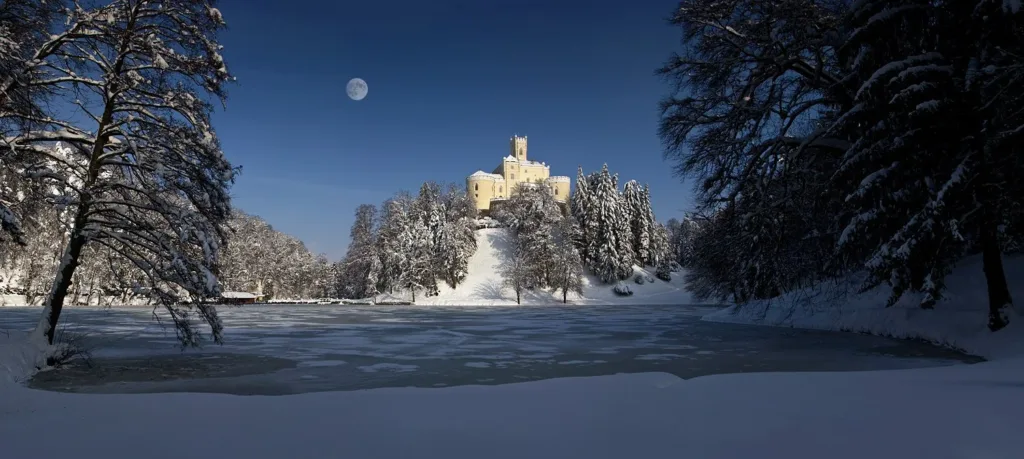
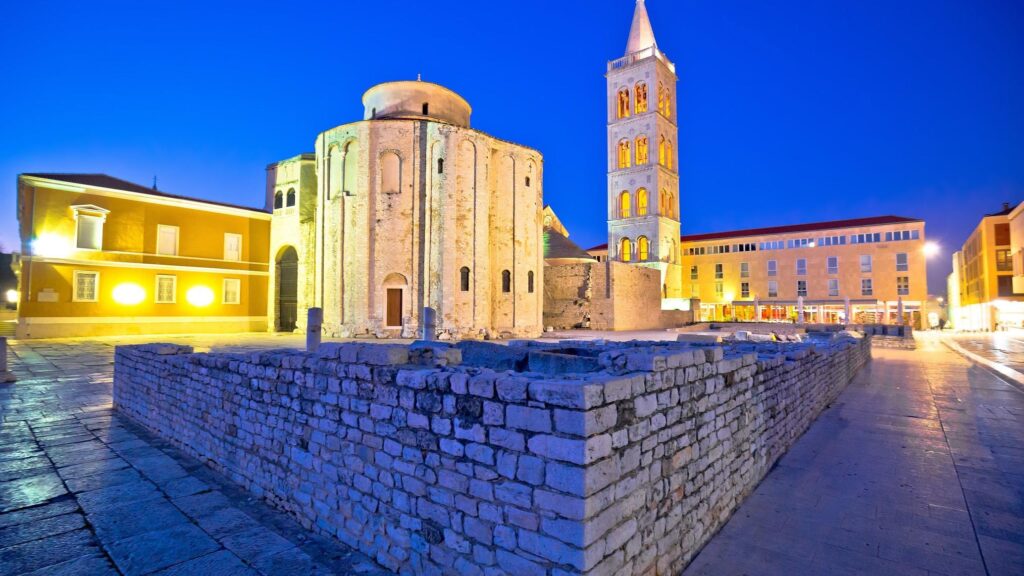
Croatia in winter offers three quite different trips: a city break in Zagreb, a visit to the colder landscapes of Lika and Gorski Kotar, or a coastal stay built around historic towns and seaside walks. Choosing between them matters more than trying to see the whole country in one holiday.
Snow is possible inland, especially in the mountains, but it is never guaranteed for a particular visit. Along the Adriatic, winter usually means milder temperatures, rain and occasional strong winds rather than snowy beaches. Thermal spas provide another option when outdoor sightseeing loses its appeal.
The most rewarding approach is to choose a main base with enough to do in poor weather, then add excursions when conditions suit.

Explore This Guide
ToggleQuick Planning Answer
- Choose Zagreb for a short city break with museums, cafés and seasonal Advent events.
- Consider Lika or Gorski Kotar for winter landscapes, allowing flexibility for snow and road conditions.
- Pick Opatija, Split or Dubrovnik for coastal walks and cultural sightseeing rather than a beach holiday.
- Allow three or four nights for one base; give two contrasting regions around a week.
- A car helps with rural stays and thermal resorts. A central city stay is easier without one.
- Check Plitvice access before travelling: winter visits usually cover a reduced part of the park.
Winter Weather on the Coast and Inland
Croatia’s mountains separate the Adriatic coast from much of the colder interior. That creates a substantial difference between a walk beside the sea and a journey through the highlands, even within the same trip.
Zagreb and the inland lowlands can experience frost, fog and snow. Higher areas of Lika and Gorski Kotar generally have colder conditions and more persistent snow cover, making them a more sensible focus for a trip centred on winter scenery. A snow-covered landscape still depends on recent weather.
The coast is generally milder, but sunshine is only part of the picture. Wet spells and strong winds can change outdoor plans. The bura, a cold wind blowing towards the sea, can make exposed waterfronts uncomfortable and disrupt transport.
Choose a coastal break for walking, food and heritage, with indoor alternatives for unsettled days. Choose the highlands for the possibility of snow, accepting that the same conditions can restrict access.
Best Places to Visit in Croatia in Winter
Zagreb for Culture and Advent
Zagreb is a practical starting point for a first winter visit because a trip can combine outdoor sightseeing with cafés, galleries and museums. The Upper Town and the streets and squares of the Lower Town provide a manageable focus for a short stay.
During Advent in Croatia, festive events add an evening programme to the city break. Check the official programme for the venues and activities operating during your visit, rather than assuming every attraction runs throughout winter.
Outside the festive period, build the visit around the city itself. Allow time for a museum, a walk through the centre and a relaxed meal instead of expecting Christmas markets to be a permanent seasonal attraction. Snow is a possibility rather than a reason to book Zagreb on its own. Look for Croatian winter dishes such as sarma or štrukli on local menus.
Plitvice Lakes for a Weather-Dependent Nature Visit
Plitvice Lakes can offer snow, ice formations and waterfalls framed by bare woodland. Those scenes depend on the conditions, and a winter ticket does not mean access to the full summer route network.
The park’s official guidance says that the Lower Lakes are usually open in winter while the Upper Lakes are closed. Further restrictions are possible, so check the current alerts, available entrances and operating routes before setting off. Boat and panoramic vehicle services should also be confirmed for the day.
Treat the visit as a flexible excursion. Wear footwear with good grip and follow the routes authorised by park staff. Travellers whose main aim is to walk a long circuit through both lake systems should consider a season with broader access.
For a short holiday based in Zagreb, an organised excursion can simplify transport, provided its itinerary reflects current park access. Independent visitors need a confirmed return connection and enough daylight for the available walk. For other options, see Croatia’s national parks in winter.
Gorski Kotar for a Stay in the Highlands
Gorski Kotar, between inland Croatia and the northern Adriatic, is a more natural choice for a rural winter stay. Delnice is one possible base for exploring the region, with forested highland scenery forming the main attraction.
Book around the experience of staying in the mountains rather than a promise of snow outside the door. Confirm heating, vehicle access and nearby food options before choosing an isolated holiday home. A property that looks conveniently close on a map may involve smaller local roads.
Platak, in the hinterland of Rijeka, offers skiing and sledging when conditions and operations allow. Check its official operating information before making a dedicated journey. Snowfall alone does not establish that slopes, lifts or sledging areas are open.
Split or Dubrovnik for Historic Coastal Streets
Split works well for travellers who want a city stay centred on Diocletian’s Palace and the Riva. Its historic core can be explored in shorter outings, with individual paid attractions added according to their opening times.
Dubrovnik is a different choice for visitors whose main interest is the walled Old Town. The city walls and museums have winter schedules, so organise sightseeing around their actual opening hours. The walls involve steps and exposed sections; wet or windy conditions can make a shorter indoor visit more appealing.
For a brief break, choose the city that best matches your interests and available transport. Combining both adds a transfer day, while boat excursions and island visits need more checking than a mainland city itinerary.

Opatija for Seaside Walks and Wellness
Opatija suits a winter break built around the waterfront, parks and time at a hotel spa. The Lungomare promenade connects the town with neighbouring coastal settlements, so a walk can be as short or as substantial as the weather allows.
A central stay makes it easier to alternate a coastal walk with lunch or an indoor afternoon. Hotel facilities matter more in winter: check whether the pool is indoors and operating, whether spa access is included, and whether treatments require a separate booking.
Opatija also has an Advent programme, but the town’s seaside setting remains the main reason to choose it outside the celebrations. Leave exposed stretches of promenade for suitable weather rather than treating a long coastal walk as a fixed daily plan.
Thermal Spas for Time Indoors
Northern Croatia’s thermal resorts offer a useful alternative to sightseeing in cold or wet weather. Terme Tuhelj in Hrvatsko Zagorje and Terme Sveti Martin in Međimurje both have indoor pool facilities.
Choose according to the type of break you want. Families may value pool access and suitable water attractions; couples may place more emphasis on sauna arrangements, treatments and quieter facilities. Check the specific package because pool entry, sauna access and treatments can have different conditions.
An overnight stay can make more sense than a day trip when the spa is the main purpose of the visit. Day visitors should confirm admission availability, particularly during busy holiday periods, and check for maintenance closures.

Where to Stay for a Winter Break
Choose accommodation for evening convenience and winter facilities as well as proximity to attractions. A central location or dependable indoor pool can be more useful than a summer feature such as beach access.
In Zagreb, the Lower Town is a practical starting point for walking between central sights, restaurants and public transport. Upper Town accommodation offers a historic setting, but check the approach if slopes, steps or luggage are a concern.
In Opatija, look near the central waterfront for easy access to the promenade and dining. Compare indoor spa facilities carefully rather than relying on a general “wellness hotel” description.
In Split, staying in or beside the historic centre helps keep a short city break walkable. In Dubrovnik, compare the atmosphere of an Old Town stay with accommodation around Pile or Ploče, checking the exact walking route and number of steps. Drivers should confirm parking separately.
For Plitvice or Gorski Kotar, prioritise effective heating, accessible parking and food within a realistic distance. At Plitvice, match the accommodation location to the entrance operating during your visit. A rural stay requires more transport planning than a city hotel.
Compare winter stays in your chosen base, checking heating, cancellation terms and the facilities included in the rate.
Disclosure: This page may contain affiliate links. This means that we get a small commission from any purchase you make, at no additional cost to you!
Getting Around and What Stays Open
A car is useful for combining rural accommodation, thermal resorts and highland scenery. For a short stay in Zagreb, Split or Dubrovnik, a central base can remove the need to drive and park each day.
Before a winter road trip, check HAK’s road reports and the weather forecast. Snow and ice affect inland routes, while strong coastal winds can lead to traffic restrictions. Confirm that a rental vehicle has the equipment required for the route and conditions; do not assume every hire arrangement includes the same equipment.
Public transport remains an option, but build the itinerary from the services available on your travel dates. Confirm both directions before booking a rural excursion, especially when the return journey falls late in the day. Zagreb has urban tram and bus services; intercity and rural journeys need separate planning.
For island travel, check the operator’s current timetable and service notices. Some routes run throughout the year, while seasonal services and excursion boats may be unavailable. Wind can also interrupt a scheduled crossing. An island day trip needs a workable return sailing and an alternative if conditions change.
Major cities generally provide more year-round choice than small holiday resorts, where restaurants, hotels and visitor services may close seasonally. Museums and paid attractions can have reduced hours or weekly closing days. Confirm the few places central to your trip before arranging the rest of the day around them.
How Long to Spend and What to Budget
Three or four nights suit a single city or a seaside hotel break, allowing time for sightseeing without changing accommodation. For a week, spend three nights in Zagreb and four in Opatija. Keep one day flexible for a trip to Plitvice Lakes from Zagreb, depending on park access and road conditions.
Avoid building a short winter itinerary around Zagreb, Plitvice, Split and Dubrovnik together. The extra transfers reduce the time available for the places you came to see, particularly when daylight and attraction opening hours are limited.
Winter can offer better accommodation value than peak summer, but festive weekends, public holidays and popular spa stays may cost more. Compare the full trip cost, including flights or land transport, parking, attraction tickets and any spa supplements.
A lower room rate in a remote location may provide little saving once car hire and extra driving are included. For travellers without a car, paying more for a central room can be a practical use of the budget.
What to Pack
Pack layers, a waterproof outer jacket and shoes with reliable grip. Add warm accessories for inland stays and exposed coastal walks, plus swimwear for indoor pools.
For a holiday combining the coast and highlands, prepare for both wet and freezing conditions. Carry a small day bag so spare layers stay available during transfers and outdoor visits. Snow activities require equipment suited to the activity and the current conditions.