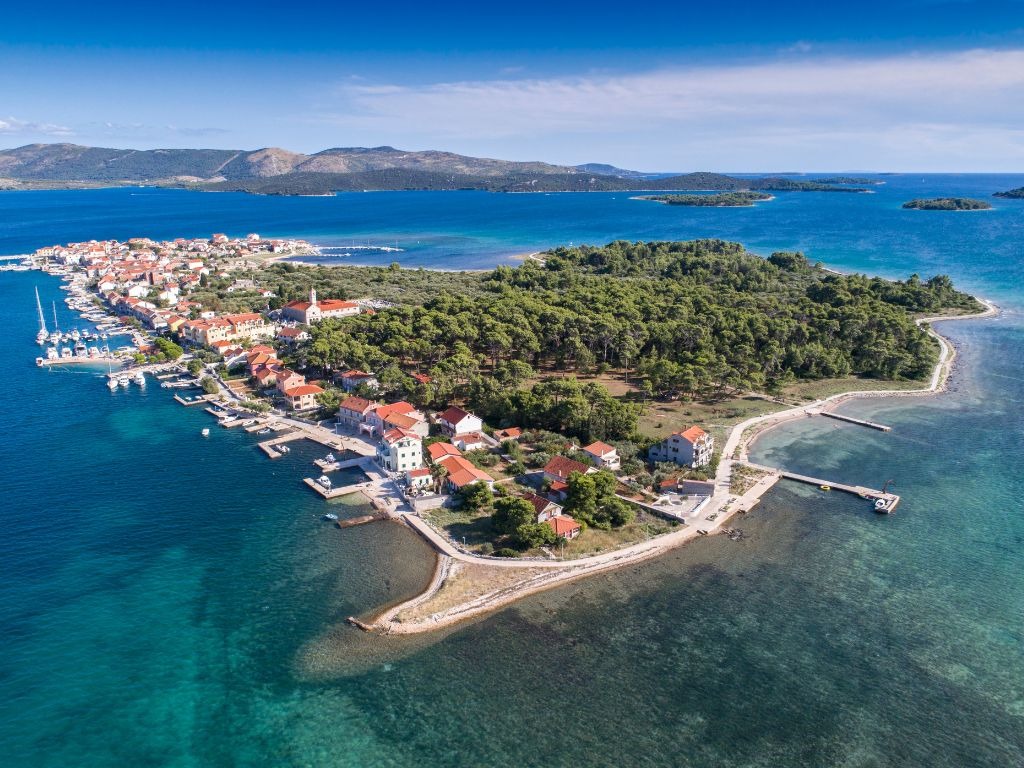
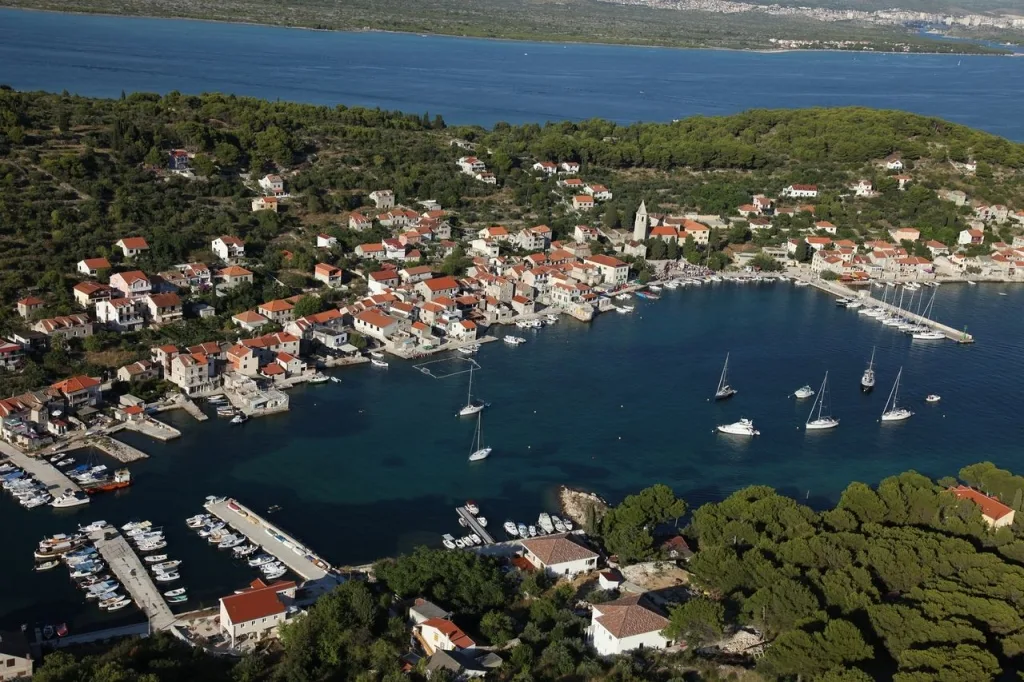
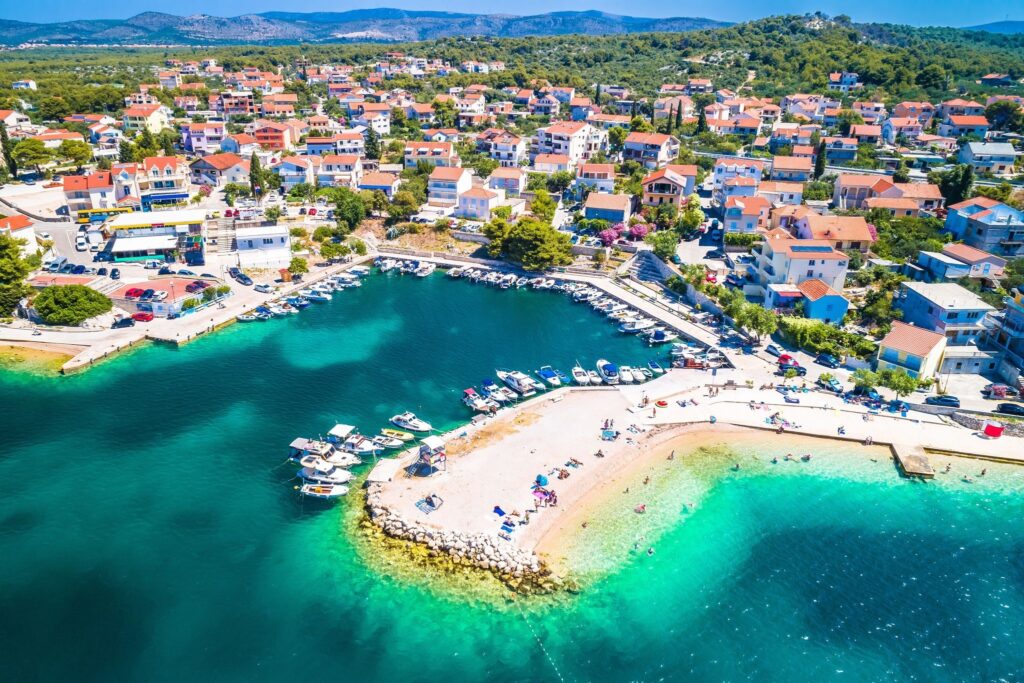
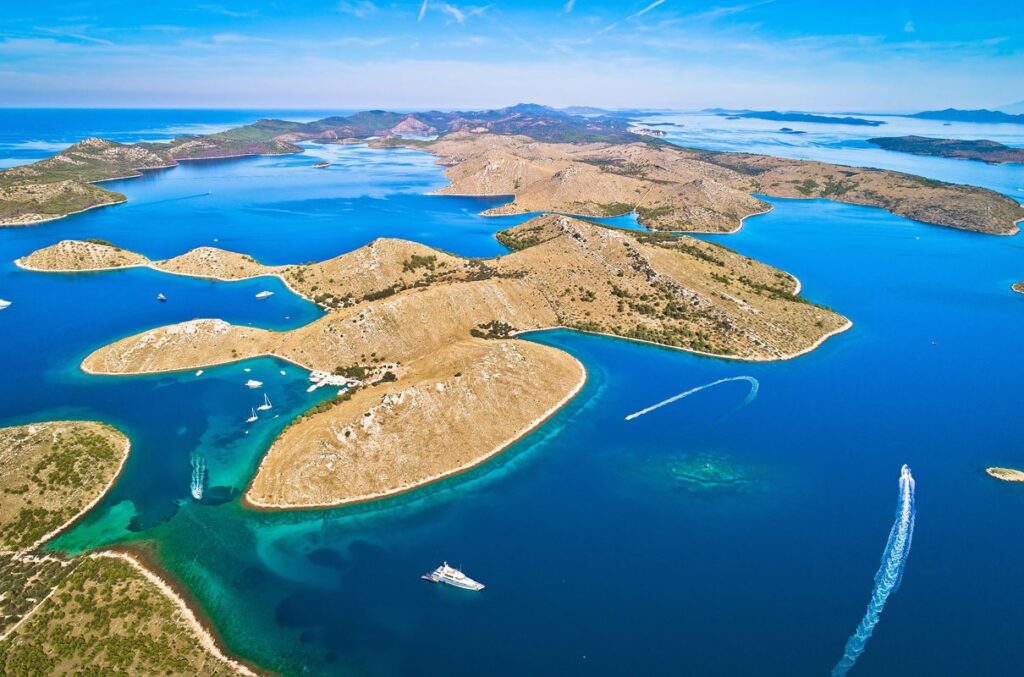
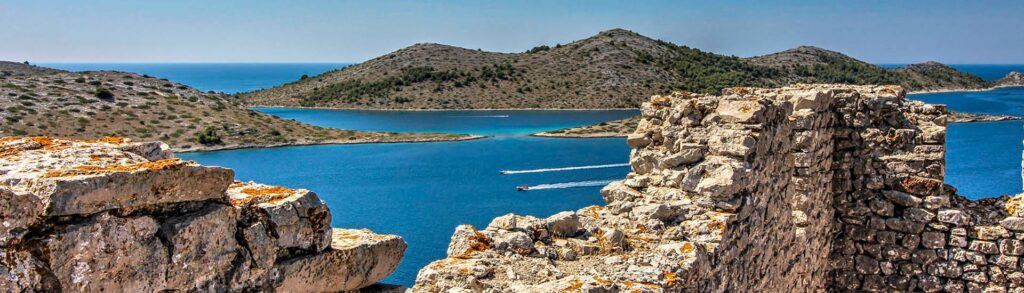
Kornati National Park is one of Croatia’s most iconic sea landscapes. It is a national park made mostly of water. The islands rise from a deep blue Adriatic. The coastlines look raw and almost lunar.
The park today covers about 217 km². It includes 89 islands, islets, and reefs. It was proclaimed a national park in 1980. Many visitors come for a single day. Sailors often stay longer.
Kornati feels different from classic beach destinations. There are no big towns inside the park. There is little natural shade. The beauty is the emptiness. You come for cliffs, coves, and open sea.
Explore This Guide
ToggleKornati at a glance
Best for: a full-day cruise, or a 2 to 4-day sailing loop.
Closest classic bases: Zadar area and Murter.
Top must-see: the krune sea cliffs.
Best swim stop: Levrnaka and Lojena Beach.
Good to know: pack water and sun protection. There is very little shade.
Why Kornati National Park is worth it
This place is made for travelers who love nature. It is also perfect for people who want a “wow” day on the water.
Expect these highlights.
A maze of islands and channels.
Clear water for swimming and snorkeling.
Quiet coves with a true away-from-it-all feel.
Dramatic sea cliffs called krune or “crowns”.
Epic views at golden hour.
Kornati is not a theme park. It is a protected landscape. That is why it feels so special.
Where is Kornati National Park
The archipelago sits off the central Dalmatian coast. It lies south of Zadar and north of Šibenik. The nearest classic jumping-off points are on the mainland and nearby islands.
Most tourists choose one of these bases.
Zadar area for easy access and many tour options.
Murter for a closer start and a more nautical vibe.
Dugi Otok if you want to pair it with Telašćica.
How to visit Kornati National Park
You cannot drive into Kornati. You reach it by sea.
There are three main ways to visit.
1) Join a Kornati National Park boat trip
This is the simplest choice. You book a tour. You show up at the pier. Then you enjoy the ride.
Tours range from classic excursion boats to faster speedboats. Excursion boats feel relaxed and social. Speedboats feel quicker and more flexible.
A Kornati National Park boat trip often includes.
A full-day cruise.
One or more swim stops.
Viewpoints from the sea.
Sometimes lunch on board or at a stop.
Best for.
First-timers.
Families.
Travelers without boating experience.
Watch for.
Long cruising time from bigger ports.
Short swim stops on packed routes.
2) Rent a boat with a skipper
This is for travelers who want flexibility. You can slow down. You can choose quieter swim bays. You can time your day for the best light.
Best for.
Couples and small groups.
Photo stops and quiet coves.
A custom pace.
Watch for.
Higher cost.
Wind can change the plan.
You still need smart sun and water planning.
3) Visit by your own boat
This is the classic sailing route. Kornati is one of the top sailing zones in Croatia. You can explore at your own pace. You can stay overnight in allowed areas.
Best for.
Sailors who want quiet mornings.
Multi-day routes and sunset swims.
Snorkeling before day boats arrive.
Watch for.
Ticket rules by vessel and duration.
Limited services in the archipelago.
Strong wind and quick sea changes.
Kornati boat tour from Zadar
Zadar is a popular starting point. It has a large selection of operators. You will usually spend more time cruising. That is the trade-off.
Choose Zadar if.
You stay in Zadar city.
You want the widest tour choice.
You prefer simple logistics.
Look for tours with.
Early departure times.
Fewer “extra” stops outside the park.
Clear information about swim time.
Kornati boat trip from Murter
Murter is closer to the islands. That means more time inside the archipelago. It often feels more focused.
Choose Murter if.
You stay on Murter Island.
You want a shorter transfer.
You like a sailing-forward atmosphere.
Murter is also a great base for rentals. Many sailors start here.
Best time to visit Kornati National Park
The best season depends on your style.
Spring and early summer
May and June are great. The sea is warming. The light is bright. The crowds are still manageable.
Peak summer
July and August offer the warmest water. They also bring the most visitors. Boat traffic can be heavy. Book early if you want specific tours.
Early autumn
September is often the sweet spot. The sea is still warm. The days feel calmer. The light is softer.
Wind and sea conditions
The Adriatic can change fast. Strong wind can affect tours. It can also shape your sailing plan. Check forecasts and operator updates.
Kornati National Park tickets and entrance fee basics
Many people search for Kornati National Park tickets. That makes sense. Entry is controlled. It is also enforced.
If you join an organized tour. The operator often includes the ticket or buys it for you. Always confirm what is included. It helps you avoid paying twice.
Here is the key idea. Buying ahead is usually cheaper. Buying inside the park is usually more expensive.
Tickets are sold through official channels. One-day tickets can also be bought inside the park. That is done at mobile reception desks. It is usually a higher price. Multi-day tickets must be bought in advance. Some combined ticket types are sold only online. The park publishes a Kornati National Park price list. Prices can change by season and vessel type.
Ticket quick facts
One-day tickets follow one calendar day.
They are typically valid until 12:00 the next day.
One-day tickets can be bought inside the park. That is done at mobile reception desks. It is usually a higher price.
Multi-day tickets must be bought in advance. Some combined ticket types are sold only online.
Price depends on vessel length, season, and duration.
Tip. If you go on a tour. Ask if the entrance fee is included.
Kornati National Park rules you should know
The park is protected. Rules are part of the experience. They help keep the sea clear and wild.
Follow these basics.
Respect marked zones and restrictions.
Do not disturb wildlife.
Take trash back with you.
Avoid loud music in quiet bays.
Do not pick plants or remove stones.
There are strict protection areas. These zones can have extra limits. Your skipper should know them. If you sail yourself, study the guidance.
Kornati National Park anchoring and mooring buoys
This section matters for sailors. It also matters for private rentals.
Anchoring is not “anywhere you like.” Anchoring and overnight stays are allowed only in specific bays. These are listed by the park.
Mooring buoys exist in some areas. They help protect the seabed. They also make nights easier.
Good practice in Kornati.
Use buoys where available.
Anchor only where permitted.
Keep distance from other boats.
Watch depth and seabed type.
Avoid damaging seagrass.
ACI Marina Piškera and practical sailing notes
Many sailors mention ACI Marina Piškera. It is a key logistics point in the archipelago. It can be useful for.
A safe overnight stop.
Basic services.
Meeting friends or crew changes.
Still, plan like you are going remote. Stock up before entering the island maze. Services can be limited once you are inside.
The famous Kornati crowns cliffs and krune
If Kornati has a signature view, this is it. The krune are steep sea-facing cliffs. They look like walls rising from the water.
You see the best cliff lines from the outer side. Many tours include a pass along these dramatic edges. Sailing near them feels unforgettable.
Tips for cliff viewing.
Sit on the open deck.
Keep your camera ready.
Bring a wind layer.
Expect spray in choppy seas.
Best swimming and snorkeling in Kornati
The water is often crystal clear. That is why people search for Kornati snorkeling. Visibility can be excellent.
Still, think like a swimmer at sea. Choose calm conditions. Use water shoes on rocky entries.
Kornati Levrnaka and Lojena Beach
Levrnaka is one of the best-known swim stops. It is famous for Lojena Beach. The shore is mostly white pebbles. The seabed is often sandy. Many visitors call it the closest thing to a sandy beach in Kornati.
Why it is popular.
Softer entry than many rocky coves.
Great color in shallow water.
Easy for a relaxed swim stop.
Arrive earlier if you can. It can get busy in peak season.
Other Kornati swimming spots
Many coves feel perfect. Your best bay depends on wind and route. A good tour skipper will adapt. A good sailor will keep a backup plan.
Look for.
Sheltered bays.
Clear shallow patches.
Safe entry points.
Space away from traffic.
A simple Kornati National Park day trip plan
This is a practical outline for most visitors. It fits a standard full-day tour.
Morning: cruise into the archipelago
Enjoy the approach. Watch the islands multiply. Let the coastline fade behind you.
Late morning: cliff pass and photos
This is the “Kornati moment.” Stay outside. Use wide shots. Look for scale.
Midday: swim stop
A stop like Levrnaka works well. Swim. Snorkel. Dry off. Have a simple snack.
Afternoon: a second calm cove
This is where you slow down. Choose a quiet bay. Float. Rest. Take it in.
Late afternoon: return with golden light
The ride back can be beautiful. Sunlight often turns the islands bronze. This is a great time for photos.
A sailing itinerary idea for two to four days
Sailing is the best way to feel Kornati. You can wake up in silence. You can swim before the boats arrive.
Here is a simple route concept. Adjust it to wind, crew, and ticket rules.
Day 1: enter the archipelago and settle in
Choose an allowed bay. Pick a buoy if offered. Swim at sunset. Cook something simple.
Day 2: explore outer-island scenery
Plan a cliff pass. Add snorkeling in a sheltered cove. Keep time for a short walk on land.
Day 3: Levrnaka swim day
Arrive earlier. Enjoy Lojena Beach. Then move to a quieter overnight spot.
Day 4: slow morning and exit
Swim once more. Have coffee on deck. Then head back to your base.
What to pack for Kornati
Kornati is exposed. Short preparation helps a lot.
Bring these basics.
Plenty of water.
Sun hat and high SPF sunscreen.
Light long sleeves for sun protection.
Wind layer for fast boat rides.
Water shoes for rocky entries.
Snorkel mask if you have one.
Dry bag for phone and wallet.
Simple snacks.
If you get motion sick. Take prevention early. Sea conditions can vary.
Safety tips that make the day better
These are simple. They matter.
Do not jump from cliffs.
Do not swim near moving boats.
Keep kids within arm’s reach.
Reapply sunscreen often.
Drink water before you feel thirsty.
Respect your skipper’s instructions.
If you are sailing. Check anchor holding. Check wind shifts. Do not rely on one forecast.
Responsible travel in a fragile sea park
Kornati stays beautiful because it is protected. You can help keep it that way.
Do this.
Leave no litter.
Avoid single-use plastics.
Do not feed animals.
Use reef-safe habits when possible.
Keep noise low in quiet bays.
If you use a buoy. Pick it up carefully. Do not drag lines over rocks.
Who should visit Kornati
Kornati fits many travel styles. It is just not for everyone.
Best for.
Nature lovers.
Couples who want a memorable sea day.
Families who enjoy boat days.
Snorkelers who love clear water.
Sailors who want iconic routes.
Not ideal for.
Travelers who need lots of shade.
People who want nightlife and shopping.
Anyone who dislikes long boat rides.
FAQs
Is Kornati National Park worth visiting?
Yes. It is one of the most dramatic sea landscapes in Croatia. It feels wild and unique.
Do you need tickets for Kornati National Park?
Yes. Entry is controlled. Tickets depend on your visit type and vessel. Buying ahead is usually cheaper.
How do you get to Kornati National Park?
You go by boat. Most visitors join a tour or rent a boat. Sailors arrive by private vessel.
Where do Kornati boat tours depart from?
Common departures include the Zadar area and Murter. Other nearby ports also offer trips in season.
Can you do Kornati as a day trip?
Yes. A full-day trip is the standard way to visit. It includes cruising and swim stops.
What are the Kornati krune?
They are the famous sea cliffs. They rise sharply from the open Adriatic side. They are a top photo highlight.
Is Lojena Beach in Kornati National Park?
Yes. It sits on Levrnaka Island. It is one of the best-known swim stops.
Can you snorkel in Kornati?
Yes. Clear water makes snorkeling very rewarding. Choose calm coves and safe entries.
Can you anchor in Kornati National Park?
Only in permitted areas. Anchoring and overnighting are restricted to specific bays. Follow official guidance and local rules.
Is Kornati good for sailing beginners?
It can be. Routes can be sheltered. But conditions can change quickly. If unsure, hire a skipper.
Plan your Kornati day
Kornati is a perfect choice for one big sea day. It also rewards slow sailing. Use this quick checklist.
Choose your base. Zadar for choice. Murter for shorter transfer.
Choose your style. Group tour, speedboat, or private skipper.
Check the wind and sea forecast.
Confirm tickets and what is included.
Pack water, sun protection, and water shoes.
Then keep it simple. See the krune cliffs. Swim at Levrnaka. Finish with golden hour on the return.
Disclosure: This page may contain affiliate links. This means that we get a small commission from any purchase you make, at no additional cost to you!