Brijuni National Park is one of the most rewarding day trips in Istria. You get green islands, Roman ruins, wildlife, sea views and easy walking in one place.
The archipelago lies just off Fažana, close to Pula. Most visitors explore Veliki Brijun, the main island open to regular visits. You arrive by boat, then continue by tourist train, bike, electric cart or on foot.
For most travellers, one full day is enough for Brijuni National Park. That gives you time for the main sights, a relaxed walk and, in warm weather, a swim.
This guide explains how to get there, what to see, when to go and how to decide if Brijuni fits your Istria itinerary.
Explore This Guide
ToggleBrijuni National Park at a Glance
Best for: couples, families, seniors, history lovers and easy island day trips
Time needed: one full day for most visitors
Main departure point: Fažana
Closest city: Pula
Top highlights: Safari Park, Verige Bay ruins, dinosaur footprints, sea views and flat walking paths
Best seasons: late spring, early summer and September
Good to know: Veliki Brijun is the main island for standard visits
Where Is Brijuni National Park?
Brijuni National Park sits in northern Adriatic Croatia. It belongs to Istria County and lies opposite the small coastal town of Fažana.
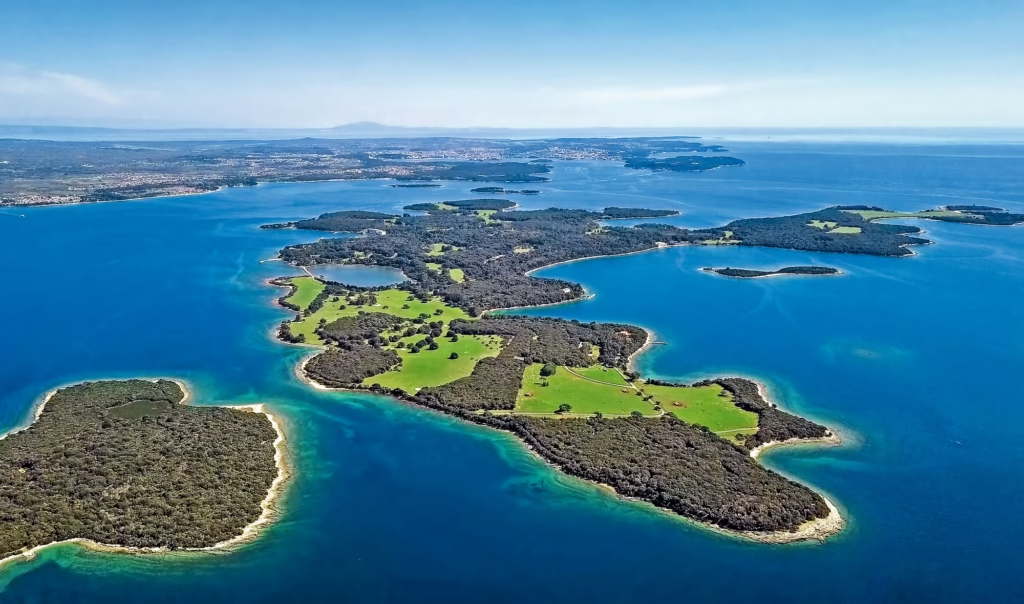
The archipelago has 14 islands and islets. Only Veliki Brijun is open to regular visits. Mali Brijun and some other islands are accessible only on special tours and boat trips.
From the mainland, the islands look like low green hills. Up close, you see pine trees, holm oaks, lawns and rocky coves.
Distances to Brijuni
From Pula to Fažana: about 8 km by road
From Rovinj to Fažana: about 30 km
From Poreč to Fažana: about 50 km
Many visitors stay in these coastal towns. They then add a Brijuni National Park day trip to their Istria itinerary.
Why Visit Brijuni National Park?
Mediterranean nature with a parkland feel
Brijuni islands look different from many other Croatian islands. Here you find large open meadows, gentle slopes and neat stone walls. Old pine trees and holm oaks create wide shaded areas.
You can walk on paved paths almost without any climbs. This makes Brijuni ideal for travellers who prefer easy walking.
Wildlife is another highlight. You may spot fallow deer, chital deer and mouflon that roam freely. Peacocks, rabbits and many bird species also live here.
History in the open air
The islands have a long and layered past. You can see remains from prehistoric, Roman, Byzantine, medieval and modern times.
One of the main cultural sites is the Roman villa complex in Verige Bay. Its ruins stretch along the coast with views across the sea. Nearby you find an early Christian basilica and other remains.
You can also visit a Byzantine castrum. This fortified settlement was used for centuries and shows traces from several eras.
Tito’s residence and famous guests
In the 20th century, Brijuni became Yugoslav president Tito’s summer residence. He hosted many world leaders and celebrities here.
Today you can visit exhibitions about this period. Old photos and gifts from state visits tell the story of a different era.
The safari park and some exotic animals are also linked to this history. Many were diplomatic gifts.
Family friendly island atmosphere
Brijuni feels calm and safe. There are no cars for visitors, only service vehicles and electric carts.
Paths are wide and mostly flat. Children can move freely under supervision. Families like the mix of animals, short walks, swimming and open lawns.
How to Get to Brijuni National Park
Boat from Fažana
The standard way to reach Brijuni is by official national park boat from Fažana.
The national park publishes a boat schedule. Departures run several times per day in the main season. Fewer boats operate in spring, autumn and winter.
Most tickets include the boat transfer and a guided tour on Veliki Brijun. You usually get a seat on the tourist train and a local guide.
Check in at the national park office in Fažana at least 30 minutes before departure. You then walk together to the boat.
Day trips from other Istrian towns
If you stay in Pula, Rovinj or Poreč, you have two options.
You can drive or take a local bus to Fažana and use the official boats. This option gives you more flexibility and often lower prices.
You can also book a full boat excursion from your resort. Many agencies sell Brijuni National Park tours in summer. Some combine Brijuni with dolphin watching or a sunset cruise.
Read the description carefully. Check whether the trip includes landing on Veliki Brijun. Some panoramic cruises only circle the islands.
Do you need to book in advance?
In high season, advance booking is very wise. Boats and guided tours can sell out, especially in July and August.
Outside the peak months, you often have more freedom. Still, check the current timetable before you travel to Fažana.
Tickets and what is usually included
For many visitors, the standard Brijuni ticket includes the return boat from Fažana and a guided overview tour on Veliki Brijun. This often includes the tourist train and the main sightseeing stops.
Details can change by season and by ticket type. Before booking, check whether your ticket includes only transport, a guided visit or extra free time on the island. This helps avoid confusion on the day of travel.
Things to Do in Brijuni National Park
Explore Veliki Brijun by train, bike or on foot
You can explore Veliki Brijun in three easy ways: by tourist train, by bike or on foot.
Most visits start with a guided tour on the island’s electric tourist train. This circular ride gives you a fast overview.
The train usually stops at several key sights. These include the safari park, the dinosaur footprints and Verige Bay. A guide explains the main points along the way.
After the train tour, you have free time. You can walk, rent a bike or hire an electric cart.
Cycling is popular on Brijuni. Paths are mostly paved, with gentle slopes and many viewpoints. You can rent standard bikes or e-bikes.
Walking is easy too. Distances are short and there is a lot of shade.
Visit the Safari Park
The safari park sits on the northern part of Veliki Brijun. You can reach it on the tourist train or by bike.
Inside you see animals such as zebras, llamas, Indian sacred cows and ostriches. An Indian elephant named Lanka and other species also live here.
The park is not huge, but families often enjoy it. Children like the chance to see large animals in an open setting.
Follow dinosaur footprints and Cretaceous sites
Brijuni is known for its dinosaur footprints. More than 200 traces from the Cretaceous period have been found on the islands.
On Veliki Brijun you can visit marked sites near the coast. Some belong to the so called Cretaceous Park. Information boards explain how the tracks formed.
Kids enjoy comparing their own feet with dinosaur prints. The sites are easy to reach on foot or by bike.
Discover Roman ruins and archaeological sites
History lovers can spend hours visiting Brijuni archaeological sites.
The Roman villa in Verige Bay is the most famous one. It once covered a large area with seaside terraces, pools and gardens.
Today you walk among low walls and foundations. You still feel the shape of the complex and the quality of its location.
Not far away stands the Byzantine castrum. This fortified settlement was used from late antiquity through the Middle Ages.
You can also find remains of a prehistoric hillfort. St Mary’s Church and other sacred buildings show later phases of settlement.
Snorkelling lovers can join guided tours near some archaeological sites. Underwater paths reveal more remains below the surface.
Swim and relax on the coast
Brijuni does not have long sandy beaches. Instead, you find rocky shores, small pebble coves and bathing platforms.
Access is often from ladders or steps. Some areas have shallower entries, better for children and cautious swimmers.
The water is usually clear. You swim with views of the mainland, other islands and pine trees.
Bring water shoes if you have sensitive feet. They help on rocks and sea urchins.
Golf and other activities
Brijuni has an 18 hole golf course that runs through open parkland. The landscape is quite different from many alpine or inland courses.
You can also play tennis, rent a boat or join organised excursions. Birdwatching is rewarding, especially in quieter corners.
Where to Stay for Visiting Brijuni
Hotels and villas on Brijuni island
You can sleep directly inside Brijuni National Park.
Hotel Istra and Hotel Neptun stand near the main harbour. They offer classic seaside stays with direct access to island walks.
Rooms Karmen is another option with a nostalgic feel. Several luxury villas on the island host small groups and families.
Staying on Brijuni gives you quiet evenings after day trippers leave. You can walk or cycle in softer light and enjoy peaceful mornings.
Staying in Fažana
Fažana is the closest mainland base. From here boats leave for Veliki Brijun.
The town has a small harbour, a pleasant seafront and a family resort feel. You find apartments, guesthouses and campsites.
This is a good choice if you want a relaxed seaside holiday. You can visit Brijuni one day and enjoy Istrian beaches on others.
Staying in Pula and other Istrian towns
Pula is the main city in southern Istria. It offers more hotels, cultural sights and nightlife.
From Pula you reach Fažana in a short drive or bus ride. You can combine Brijuni with visits to the Roman amphitheatre and other city sights.
Rovinj and Poreč are further away but still realistic bases. Many visitors add Brijuni as one of several day trips from these resorts.
Brijuni National Park with Children and Seniors
Brijuni National Park works well for mixed age groups.
Paths are fairly flat and paved. This suits seniors, families with strollers and people who prefer gentle walks.
The tourist train allows you to see a lot without much walking. Benches and shaded areas are common.
Children usually enjoy the safari park, the peacocks, the dinosaur footprints and the freedom to run on lawns.
If you travel with babies or toddlers, bring sun protection and water. There is shade, but days can still get hot in summer.
Accessibility and Mobility
Brijuni is more accessible than many rocky Croatian islands.
Wide paved paths link the harbour with main sights. Electric carts are available for rent.
Some older buildings and rough tracks remain challenging. Still, many key viewpoints and attractions are reachable with limited mobility.
If you use a wheelchair or have specific needs, contact the national park in advance. Ask about current options and support.
Best Time to Visit Brijuni National Park
You can visit Brijuni all year round, but the experience changes by season. For most visitors, the ideal time is from late spring to early autumn.
Spring and early summer
Spring brings mild temperatures and fresh greenery. Flowers bloom and the sun is pleasant, not too strong.
Late spring and early summer are excellent for walking and cycling. The sea warms up slowly, so swimming becomes more comfortable.
Crowds are lighter than in peak summer. Boats run more often than in winter.
High summer
July and August are the busiest months. Temperatures can be high and boats fill quickly.
This is the best period if you focus on swimming and long daylight. It is less ideal if you dislike heat and crowds.
Plan morning or late afternoon visits when possible. Book your boat to Brijuni National Park in advance.
Autumn and quieter months
September often offers warm sea and softer light. Many travellers consider it the best time to visit Brijuni.
October can still be pleasant for walking and cycling. Some services may reduce frequency.
In winter, tours are limited and the atmosphere is very quiet. Choose this period only if you like calm landscapes and do not mind fewer options.
Practical Tips for Your Brijuni National Park Visit
Wear comfortable walking shoes or sandals with grip
Bring sun protection, a hat and reusable water bottle
Pack swimwear and a towel if you plan to swim
Carry some cash and a card for cafés and rentals
Arrive early in Fažana during peak season
Check the latest boat schedule before you go
Remember that Brijuni is a protected area. Follow park rules, stay on marked paths and do not disturb wildlife.
Pets are only allowed under strict conditions. Always confirm current rules about dogs in Brijuni National Park before your trip.
Common Mistakes to Avoid at Brijuni National Park
Booking too late in July or August, when popular departures can fill up
Assuming every boat trip lands on the island, when some only circle the archipelago
Arriving without sun protection, water shoes or enough drinking water in summer
Underestimating how much there is to see, then rushing the Roman ruins and the coast
Expecting sandy beaches instead of rocky swimming spots and small coves
Plan Your Brijuni National Park Day Trip
Brijuni National Park is easy to reach yet feels far from busy resorts. You can see wildlife, ancient ruins and clear sea in a single relaxed day.
Add Brijuni to your Istria itinerary. Choose your base in Fažana, Pula or another coastal town. Check boat times from Fažana and book your boat trip and, if you wish, a guided tour in advance, especially in summer.
Then pack light, slow down and enjoy one of Croatia’s most gentle island landscapes.
FAQs
Is one day enough for Brijuni National Park?
Yes. One full day is enough for most visitors. You can take the boat from Fažana, do the guided train tour, visit the safari park and see major ruins.
If you want a slower pace, consider staying overnight on the island. This gives you more time for cycling, golf and quiet walks.
Can you visit Brijuni without a guided tour?
Most standard tickets include a guided tour. However, once you arrive, you are free to explore on your own during the stay.
If you prefer complete independence, look for options that include only transport. You can then rent a bike or walk on your own.
Are the Brijuni islands good for children?
Yes. Brijuni is very popular with families.
Kids enjoy the safari park, open lawns, peacocks and dinosaur footprints. Paths are safe and there are no private cars.
Bring snacks, water and sun protection. You will still find cafés and restaurants on the island.
Can you swim in Brijuni National Park?
Yes, you can swim in several marked zones on Veliki Brijun.
Expect rocky shores, platforms and some small pebble coves. There are no long sandy beaches.
Water shoes help with rocks and sea urchins. Never jump into unknown water without checking the depth.
Do you need a car to visit Brijuni?
No. Cars are not allowed for visitors on the island.
You can reach Fažana by car or bus, then leave your vehicle on the mainland. On the island you move by train, bike, electric cart or on foot.
Is Brijuni National Park worth visiting if you are not a strong walker?
Yes. The island is quite flat and has many paved paths.
The tourist train covers long distances with little effort. Benches and shaded areas help you rest.
If needed, you can rent an electric cart. Ask about this option when you book or at the island reception.
Disclosure: This page may contain affiliate links. This means that we get a small commission from any purchase you make, at no additional cost to you!